




Beyond Cleanliness: Dandruff's True Nature
Many people mistakenly believe dandruff is a sign of poor hygiene or simply a superficial skin issue. However, experts emphasize that dandruff is far more
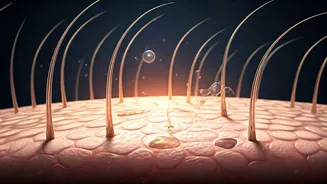
complex than just infrequent washing. It's rooted in a disruption of the scalp's natural barrier and an inflammatory response, often triggered by an overgrowth of a common yeast called Malassezia globosa. This microorganism, which naturally resides on most scalps, can proliferate under certain conditions. Factors such as increased oil production on the scalp, excessive perspiration, humid climates, environmental pollutants, periods of high stress, and inconsistent hair cleansing routines can create an environment where Malassezia thrives. When this yeast feeds on the scalp's natural oils (sebum), it produces by-products that irritate the scalp. This irritation leads to inflammation and accelerates the shedding of skin cells, causing them to clump together and appear as the familiar white flakes associated with dandruff. Therefore, addressing dandruff requires looking deeper than just the visible symptoms, focusing on the underlying microbial and inflammatory processes at play.
Sebum, Microbes, and Itching
The interplay between scalp oils and the microscopic organisms living there is central to understanding dandruff. The yeast, Malassezia globosa, is a normal inhabitant of our scalps, but it can become problematic when conditions allow it to multiply excessively. This overgrowth is fueled by sebum, the natural oil produced by the scalp. Malassezia metabolizes these oils, breaking them down into substances that can irritate the scalp's protective layer. This irritation initiates an inflammatory cascade and prompts skin cells to regenerate and shed at an accelerated rate. This rapid cell turnover is what leads to the visible flaking characteristic of dandruff. Often, itching is the first indicator that the scalp's equilibrium is disturbed, serving as an early warning signal before flakes even become apparent. It’s the scalp’s way of communicating that its delicate balance is being compromised by factors that encourage the overgrowth of Malassezia and its subsequent irritant effects.
Targeting the Root: Effective Ingredients
A common misconception in managing dandruff is that simply removing the visible flakes is sufficient. Many individuals opt for shampoos that offer immediate flake reduction, but these may only provide a temporary cosmetic fix without addressing the fundamental cause. If the underlying microbial imbalance isn't treated, dandruff symptoms are likely to return. This highlights the critical importance of understanding the active ingredients in anti-dandruff shampoos. Not all ingredients work in the same way; some focus on exfoliating the scalp or slowing down skin cell shedding, which can temporarily mask the issue. However, to truly manage dandruff, it's essential to target the overgrowth of Malassezia. Ingredients that directly combat this yeast are crucial for addressing the root of the problem. Piroctone Olamine, for instance, is a clinically validated antifungal compound that actively disrupts Malassezia's growth and activity, thereby controlling its proliferation on the scalp. By reducing fungal presence, it helps alleviate irritation and restore the scalp's natural balance, offering a more sustainable solution compared to treatments that only address symptoms.
Holistic Scalp Care Practices
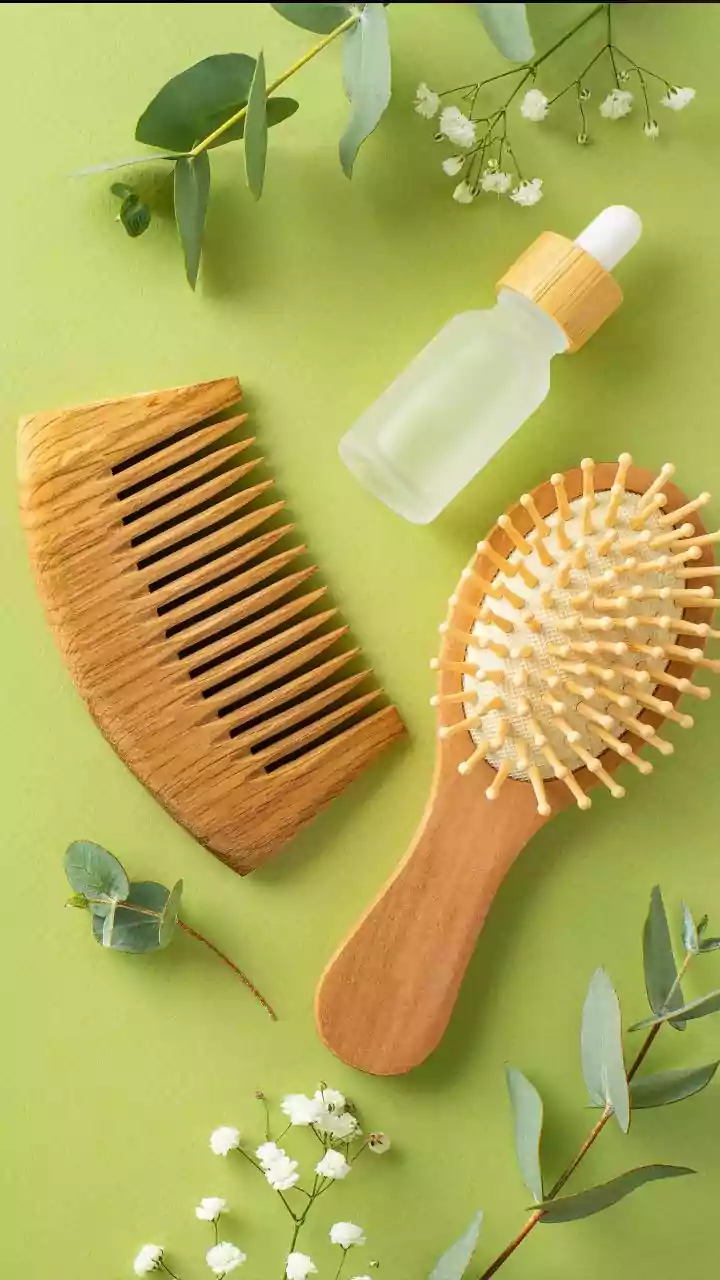
Beyond selecting the right shampoo with ingredients that target the root cause of dandruff, adopting healthy scalp habits is equally important for maintaining a balanced and flake-free environment. Regular washing of the scalp, particularly after periods of intense sweating, is crucial for preventing the accumulation of excess oil and environmental debris. Keeping hair accessories, such as helmets and bands, clean can also prevent the transfer of microbes and irritants. It's advisable to avoid prolonged periods of moisture on the scalp, as this can create a favorable environment for yeast overgrowth. Furthermore, managing stress levels plays a significant role in overall scalp health, as stress can exacerbate inflammatory conditions. By incorporating these practices alongside a targeted anti-dandruff shampoo, individuals can effectively support their scalp's health and achieve lasting relief from dandruff. Dandruff, while often perceived as a minor cosmetic issue, is a clear indicator of a disrupted scalp ecosystem, and informed choices about product ingredients and daily habits are key to restoring balance.