
Greenland Acquisition: Focus
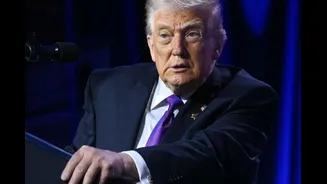
In his speech at the World Economic Forum (WEF) in Davos, Trump declared his aim to secure "Greenland including right title and ownership." He emphasized
a preference for negotiation rather than employing force to achieve this objective. This statement highlighted his continued interest in acquiring the vast island territory. Trump also presented a somewhat dismissive view of Greenland, referring to it as "a piece of ice, cold and poorly located." This sentiment appeared to contradict the seriousness of the acquisition efforts, which could be interpreted as a strategic move to potentially undermine existing European partnerships and advance the United States' international standing. His assertions were made during his address at the WEF, underscoring the forum's significance as a platform for global political and economic discourse. The speech marked a distinct moment, where he combined ambition with a calculated assessment of the global landscape.
Davos Speech Context
Trump's address at the WEF was a significant event, as it provided a stage for him to articulate his perspective on various global issues. The speech included his comments on the Greenland acquisition and his assessments of several nations, including France and its president. His interactions at the Davos summit were widely covered, with particular attention given to his responses to other world leaders. His presence at the WEF further solidified his role as a prominent figure shaping global discussions. This speech offered insight into his future intentions regarding international affairs and served as a clear statement of his policy. News outlets provided real-time updates and full text transcriptions of his remarks, ensuring broad dissemination of his statements to audiences worldwide. The timing of the address during the WEF increased its importance, as the forum brings together a broad range of politicians and business leaders, promoting his agenda.
Critiques of Allies
During his WEF address, Trump criticized the actions of European allies, highlighting his perspective on partnerships and collaboration. While advocating for the purchase of Greenland, he openly expressed his reservations about the established alliances and the policies of some European nations. His remarks were critical of the European approach, aligning with the broader theme of the speech. His statements were a clear attempt to signal a departure from established diplomatic norms, asserting a more assertive approach to international relations. The tone of his comments was perceived by some as dismissive, especially when discussing certain European leaders. The speech included an expression of his views, directly challenging conventional approaches to international cooperation and revealing his preference for individual transactions and partnerships. These statements signaled a possible re-evaluation of alliances. The speech at the Davos forum offered a contrast with standard diplomacy, which added to the interest and controversy surrounding his participation.
Macron's G7 Invitation
Trump also rejected an invitation extended by French President Emmanuel Macron, which added another layer to the dynamics present at the WEF. This rejection was coupled with a prediction about Macron's political future. By refusing the G7 invitation, Trump chose to underscore the widening gap in their perspectives and the emerging strain on international partnerships. This was a clear sign of his changing international strategy. His assessment of Macron, and his political prospects, fueled speculation about future global relations. The decision and the accompanying comments highlighted his readiness to challenge traditional diplomatic protocols and norms. These actions demonstrated a proactive approach to shaping international engagements, which drew significant attention during the WEF and beyond. The dismissal of the G7 invitation further reflected his desire to establish a strong individual approach to international affairs.