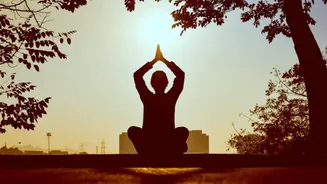







Embracing the Present
Mindful walking is about intentionally focusing on the sensations of walking, like the feeling of your feet touching the ground or the movement of your arms.
It's a practice that encourages you to stay present in the moment, rather than allowing your mind to wander to the past or future. By concentrating on your physical experience, you can create a sense of calm and clarity. This practice can be done anywhere, whether it's a bustling city street or a quiet park trail. It is a way to actively train your attention and manage distractions by gently redirecting it back to the present moment, fostering a deeper sense of awareness and appreciation for your surroundings. Begin by bringing your attention to your body as it moves, noticing the subtle shifts in balance and the rhythm of your gait.
Cultivating Awareness
To practice mindful walking, begin by selecting a route where you feel comfortable. Pay close attention to your body. Notice the sensations: your feet, legs, and the feeling of the ground beneath them. Also, pay attention to your surroundings; the sights, sounds, and smells around you. As you walk, observe your thoughts and feelings without judgment. If your mind wanders, gently bring your attention back to your breath or your physical sensations. It’s normal for thoughts to arise, but the goal is to observe them without getting caught up in them. This cultivates a sense of detachment, allowing you to reduce the hold these thoughts have on your emotions. Consistently practicing such awareness can create moments of profound stillness, even amid external chaos, nurturing inner peace and reducing stress levels.
The Power of Breath
Integrating breath awareness amplifies the benefits of mindful walking. Synchronize your breathing with your steps. For instance, you might inhale for four steps, hold for one, and exhale for four steps. Adjust this to find a comfortable rhythm that suits your pace. As you breathe deeply, become aware of the sensation of the air entering and leaving your body. This conscious connection to your breath provides an anchor to the present moment. If your mind drifts, use your breath as a gentle tool to bring your awareness back. By combining breath awareness with mindful walking, you are creating a powerful practice that supports both physical and mental well-being. Through such methods, individuals may find a way to maintain focus, remain grounded, and embrace a calmer state of mind, which results in better overall mental health.
Everyday Practice
Mindful walking is readily accessible to anyone. You can practice it during your commute, while walking the dog, or during a simple stroll around your neighborhood. You don't need a special location or equipment; all you need is your willingness to be present. Aim to incorporate mindful walking into your daily routine. Start with short sessions, such as five to ten minutes, and gradually increase the duration as you feel more comfortable. Consistency is key, so make it a habit. Recognize that it’s not about achieving a perfect state of mind. It’s about cultivating awareness and finding moments of peace in the everyday. As you practice, you may notice that you become more present and less reactive in other areas of your life as well, developing a greater sense of calm and well-being.
Benefits and Beyond
The benefits of mindful walking extend beyond stress reduction. It can boost your mood, improve focus, and enhance your overall sense of well-being. By fostering a stronger connection to the present moment, mindful walking allows you to break free from the cycle of overthinking and worry. Additionally, it provides a simple way to practice self-care and promote emotional resilience. As you become more skilled in the practice, you may find that it enhances your creativity and sharpens your observational skills. In essence, mindful walking is a powerful tool for cultivating a deeper connection to yourself and the world around you, one step at a time, providing a path to lasting peace and well-being. The more you do it, the more you will recognize how transformative it can be.