

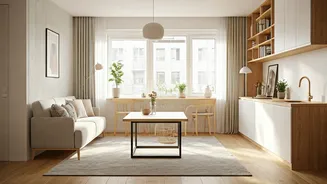
Natural Fabric Focus
Embracing natural fabrics for your home decor is a significant step towards creating a more environmentally conscious living space. Instead of opting for synthetic
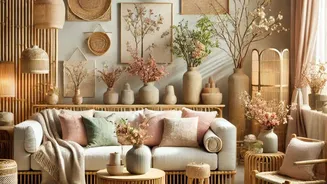
materials, which can often release harmful volatile organic compounds (VOCs) into the air, consider the warmth and breathability of materials like cotton, linen, or khadi. These natural fibers not only contribute to better indoor air quality by minimizing off-gassing but also lend a unique texture and aesthetic appeal to your interiors. Whether used for curtains, cushion covers, or upholstery, these fabrics offer a sustainable alternative that is both beautiful and beneficial for your health and the planet. The subtle elegance of these natural textiles can elevate your home's design while aligning with eco-friendly principles, demonstrating that style and sustainability can beautifully coexist without extensive renovations.
Greenery Indoors
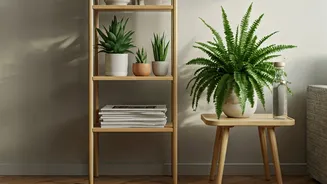
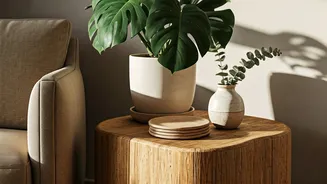
Integrating indoor plants into your home's design is a remarkably simple yet profoundly effective method for enhancing both its visual appeal and its environmental footprint. Beyond their aesthetic contribution, plants are natural air purifiers, actively working to filter out pollutants and improve the overall quality of the air you breathe. The vibrant greens and varied textures of foliage can bring a sense of tranquility and life into any room. This approach to decor requires minimal effort but yields significant benefits, making it an accessible strategy for anyone looking to 'green' their living space. By strategically placing plants throughout your home, you create a healthier, more refreshing atmosphere, proving that small additions can lead to substantial improvements in your immediate environment.
Smart Lighting Choices
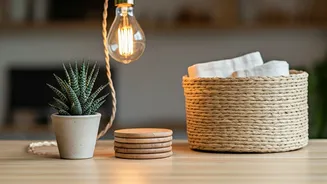
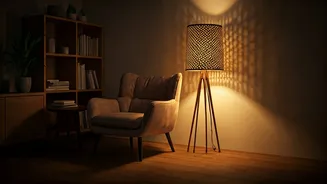
Upgrading your home's lighting to energy-efficient LED bulbs is a crucial move for reducing energy consumption and, consequently, your environmental impact. Traditional incandescent bulbs consume a considerable amount of electricity, contributing to higher utility bills and increased demand on power grids. LEDs, on the other hand, are far more efficient, consuming significantly less energy to produce the same amount of light. This reduction in electricity usage not only lowers your carbon footprint but also translates to cost savings over time. Furthermore, the efficiency of LED lighting indirectly contributes to better air quality by lessening the overall energy burden. Making this switch is a straightforward yet impactful way to make your home more sustainable and cost-effective without altering the fundamental structure of your living space.
Restore, Don't Replace
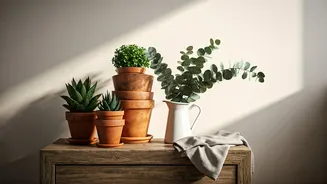
When it comes to furniture, a mindful approach prioritizing restoration over replacement is a cornerstone of sustainable living. Instead of purchasing new, often mass-produced and disposable pieces, consider the inherent value and potential of existing furniture. A simple polishing or refinishing of wooden furniture can breathe new life into old items, revealing their natural beauty and extending their lifespan significantly. This practice not only conserves resources by reducing the demand for new manufacturing but also helps to minimize waste. Embracing restoration allows you to maintain a stylish interior while making a responsible choice that benefits the environment and often results in unique, character-filled pieces that tell a story. It’s a budget-friendly strategy that champions durability and timeless design.
Local & Handmade
Opting for decor items crafted by local artisans is a powerful way to support both your community and the planet. Choosing handmade goods significantly reduces the carbon footprint associated with transportation, as these items typically travel much shorter distances from maker to home. Beyond the environmental benefits, supporting local craftspeople fosters a more socially responsible economy and preserves traditional skills and artistry. These unique pieces often possess a distinct charm and improved design quality, offering a level of authenticity that mass-produced items lack. By incorporating local and handmade decor into your space, you not only enhance its aesthetic with distinctive elements but also contribute to a more sustainable and ethical consumption cycle, celebrating craftsmanship and reducing environmental impact simultaneously.
Aesthetics Meets Ethics
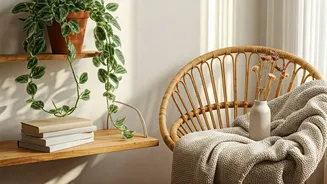
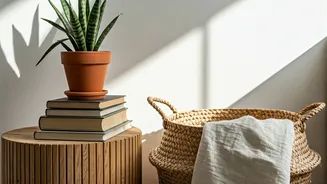
Achieving a beautiful and sustainable home is entirely possible, as eco-conscious choices can profoundly enhance your living space's aesthetic appeal. Materials like solid wood, bamboo, cane, jute, and terracotta offer a rich, warm, and grounded feel, contributing to an authentic and aesthetically pleasing environment. Their natural textures and inherent beauty complement various decor styles while aligning with responsible sourcing and production. Embracing a minimalist philosophy further supports this vision; by focusing on fewer, higher-quality, and sustainably sourced items, you combat excess consumption and create a sense of order and tranquility. This mindful selection process leads to spaces that are not only visually appealing but also deeply connected to ethical and environmental values, proving that a green home is a stylish home.
Avoiding Greenwashing Pitfalls
Navigating the world of eco-friendly living requires a discerning eye to avoid falling into common traps. A prevalent misconception is that simply purchasing items labeled 'eco-friendly' guarantees sustainable choices; however, true sustainability involves a deeper commitment. Key mistakes to sidestep include succumbing to trends that drive overconsumption, buying low-quality items that necessitate frequent replacements, and opting for artificial plants that contribute to plastic waste. Genuine sustainability is about making conscious decisions that have a lasting positive impact over time, rather than engaging in continuous cycles of purchasing, even if those purchases are marketed as green. It’s about thoughtful, long-term choices that minimize environmental impact.