
Market Movers Overview
The Indian stock market witnesses a dynamic interplay of various stocks, and several companies consistently rank among the most discussed and traded. Notable
companies include HDFC Bank, Infosys, and Tata Motors, each experiencing fluctuations that reflect broader market sentiments and company-specific developments. Furthermore, companies like Suzlon Energy and IRCTC also draw substantial attention from investors, suggesting a diverse investment landscape. The concurrent gainers list, featuring 14 stocks, indicates a period of sustained positive momentum for multiple companies, indicating overall market optimism, even amidst specific sector challenges. It's crucial to consider these trends to gain a comprehensive understanding of the market dynamics. Companies like Adani Enterprises and Reliance Industries, known for their significant market presence, also play crucial roles in shaping the investment atmosphere, with their performances greatly influencing the benchmarks.
Banking Sector Highlights
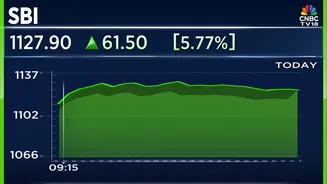
The financial sector's performance is often closely watched in the Indian market. Major players like HDFC Bank, SBI, and Canara Bank are closely monitored for their financial results, lending practices, and overall strategic moves. These institutions reflect the health of the Indian banking system, thereby influencing investor confidence. The constant scrutiny of these banks provides insights into the banking industry's stability and growth trajectory. Performance trends, interest rate environments, and asset quality are key factors considered by investors assessing these banking stocks. Any shifts in monetary policy or economic indicators can significantly affect the valuations and investor interest in these financial stocks. The competitive landscape among these banks also contributes to the dynamics, with each striving to maintain or improve their market positions and profitability, which drives investor's decisions.
IT Sector Performances
India's IT sector remains a key contributor to the national economy, with companies such as Infosys, TCS, and Wipro constantly in the limelight. These companies are valued for their global reach, technological innovation, and consistent financial performance. They often react to shifts in global technology spending and shifts in demand. Investor interest is often influenced by factors like digital transformation trends and outsourcing demands. These companies' performance reflects not only their internal strategies, but also the wider impact of macroeconomic factors, global industry competition, and regulatory changes. The IT sector's ability to adapt and innovate remains a key factor in attracting investments and driving market performance. Furthermore, their performance often shapes broader sentiment around India's technological advancements and its role in the global arena.
Infrastructure and Energy
Companies involved in infrastructure and energy sectors, such as Rail Vikas Nigam, REC, and Tata Power, regularly attract attention, particularly due to government initiatives and increased infrastructure development. Investments in renewable energy and advancements in infrastructure projects are major drivers for these stocks. Investor sentiment is influenced by the execution of large-scale projects, government policy changes, and the overall economic growth outlook. The performance of these companies indicates the progress in India's infrastructure upgrades and the shift towards sustainable energy solutions. These sectors often see substantial capital investments, making them attractive to investors looking at long-term growth potentials. The financial health and project delivery capabilities of these firms are critical factors impacting their market valuations and investor confidence.
Manufacturing and Industry
Companies like Tata Motors, BHEL, and Ashok Leyland, which are vital to the manufacturing and industrial sectors, regularly appear in market discussions. These companies are important because they are closely linked to industrial production and domestic demand. Investor interest often hinges on order books, capacity utilization, and macroeconomic factors impacting industrial growth. The fluctuations in their share prices reflect the overall performance of the Indian manufacturing sector. Their capability to respond to changes in consumer behavior, technological progress, and government regulations plays a key role in their market success. Furthermore, these companies' ability to manage supply chains effectively and to control their costs is critical for ensuring investor confidence and future profitability, influencing the whole industry's growth trajectory.
Focus on Renewable Energy
IREDA, Adani Green, and other renewable energy firms are gaining importance as India aims for sustainable development. These companies capitalize on the rising demand for green energy. Investors closely track policy support for renewable projects and global climate goals. Their growth trajectory is linked to government incentives, technological advancements, and the availability of financing. These firms often experience substantial investor interest. Their performance underscores India's commitment to climate change mitigation and its endeavor to boost renewable capacity. The long-term growth prospects of these companies are also influenced by evolving technologies in solar, wind, and other renewable energy sources, thereby attracting increased investment for a sustainable future.
Market Sentiment Indicators
The concurrent gainers' list, featuring stocks with continuous positive momentum, serves as an essential indicator of overall market sentiment. This list, including companies gaining for five consecutive sessions, suggests a positive trend. This collective performance affects investor psychology and market confidence. These consecutive gains reflect favorable market conditions and positive sentiment among traders. The presence of several companies on this list boosts the belief in the market. Traders' willingness to invest is often determined by this sentiment, causing wider market patterns. Market analysts closely monitor such data for signs of future volatility or sustained growth, making it a critical aspect of market analysis.