
What is It?
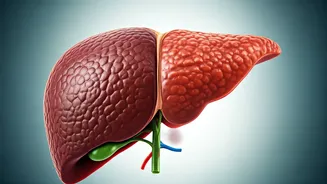
Fatty liver disease, as the name suggests, involves an excessive buildup of fat within the liver cells. This accumulation can stem from various sources,
making the liver swollen and less efficient at its duties. The liver's functions are critical to overall health; it processes nutrients, filters toxins, and produces essential proteins. When its performance falters due to fat accumulation, it can lead to various health complications. In its early stages, fatty liver disease may not exhibit obvious symptoms, making it a silent threat. The lack of noticeable signs often leads to delayed diagnosis and potential progression to more severe stages. Two primary types of fatty liver exist: non-alcoholic fatty liver disease (NAFLD) and alcoholic fatty liver disease (AFLD). While AFLD results from excessive alcohol consumption, NAFLD is associated with factors like obesity, diabetes, high cholesterol, and poor dietary habits. Identifying the underlying cause is crucial for effective treatment.
Causes and Risks
Several factors contribute to the development of fatty liver disease. The most prominent is linked to lifestyle choices. A diet high in processed foods, saturated fats, and added sugars can promote fat accumulation in the liver. Obesity and being overweight significantly increase the risk, as do insulin resistance and type 2 diabetes. Furthermore, metabolic syndrome, characterized by a combination of high blood pressure, high blood sugar, unhealthy cholesterol levels, and excess abdominal fat, is strongly associated with NAFLD. Excessive alcohol consumption is a direct cause of AFLD, placing individuals at increased risk. Genetic predisposition and certain medications can also play a role. The underlying mechanisms involve an imbalance in the liver's fat metabolism. When the liver cannot efficiently process and remove fats, they accumulate, leading to inflammation and potential damage. The risks associated with fatty liver disease are considerable. Progression of the disease can result in liver inflammation, scarring (cirrhosis), and, in severe cases, liver failure or liver cancer.
Symptoms and Diagnosis
In its initial stages, fatty liver disease frequently remains asymptomatic. Many individuals are unaware they have the condition until it’s detected during routine blood tests or other medical evaluations. However, as the condition worsens, symptoms may appear. Common signs include fatigue, abdominal discomfort or pain (particularly in the upper right quadrant), and unexplained weight loss. In more advanced stages, symptoms can include jaundice (yellowing of the skin and eyes), swelling in the legs and abdomen, and confusion. Diagnosis often involves a combination of methods. Liver function tests, performed through a blood test, can reveal elevated liver enzymes, indicating potential liver damage. Imaging techniques, such as ultrasound, CT scans, or MRI, can visualize the fat content in the liver. In some instances, a liver biopsy might be needed to assess the degree of inflammation and scarring. Early detection is vital. Regular health check-ups and open communication with your healthcare provider are crucial to identify and address any potential issues promptly.
Lifestyle Adjustments
Managing and treating fatty liver disease often centers around lifestyle modifications. Diet plays a pivotal role. Adopting a balanced diet rich in fruits, vegetables, whole grains, and lean proteins is essential. Limiting processed foods, sugary drinks, and saturated and trans fats can help reduce liver fat. Weight management is also a critical component, with weight loss often proving beneficial. Gradual, sustainable weight loss through a combination of diet and exercise is recommended. Regular physical activity, such as brisk walking, jogging, or any activity that elevates your heart rate, is valuable. Limiting alcohol consumption or abstaining entirely, particularly for those with AFLD, is crucial. If you are diagnosed with fatty liver, your doctor may suggest specific dietary changes or supplements. It is essential to consult with a healthcare professional before starting any new diet or exercise regimen. By making positive lifestyle choices, you can effectively manage fatty liver disease and enhance overall health.
Seeking Medical Advice
If you suspect you may have fatty liver disease or if you exhibit any of the related symptoms, seeking medical advice promptly is crucial. A healthcare provider can conduct a thorough assessment, review your medical history, and order necessary tests to determine the underlying cause and severity of the condition. Never attempt to self-diagnose or self-treat. The guidance and expertise of medical professionals are essential for personalized care. They can provide tailored advice based on your specific condition and medical history. Regular check-ups and open communication with your doctor are vital for monitoring your progress and making any necessary adjustments to your treatment plan. Remember, early intervention and proactive health management significantly improve outcomes and help prevent potential complications. By taking the right steps, you can safeguard your liver health and enhance your overall well-being.