




Besan's Tadka Transformation
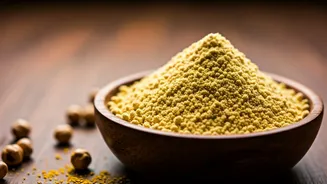
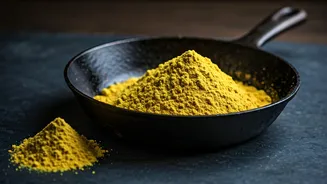
In the heart of many Indian kitchens lies a culinary secret, often passed down through generations without explicit instruction: the addition of besan,
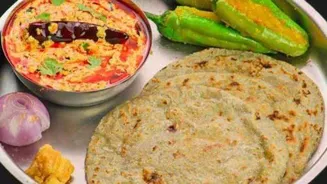
or gram flour, to the tempering (tadka). This seemingly minor step is far more impactful than it appears, quietly working to impart richness and completeness to a dish. It’s not about overwhelming the palate with a new flavor, but rather about refining the overall experience. When besan is introduced to the hot oil or ghee of a tadka, it undergoes a rapid transformation, releasing a toasted, nutty fragrance that subtly infuses the dish. This technique is particularly favored in preparations like dals, kadhi, and vegetable curries, where a satisfying texture and a well-rounded finish are as crucial as the primary tastes. The besan doesn't just add flavor; it harmonizes the existing elements, making even the most basic meals feel exceptionally well-crafted and deeply comforting. It's a testament to how small, nuanced techniques can elevate everyday cooking to an art form.
Texture, Aroma, and Depth
Even a modest amount of besan introduced into the tadka can dramatically alter the perceived texture and sensory profile of a dish. As the besan toasts in the hot fat, it absorbs some of the oil, and when liquid is subsequently added to the dish, this toasted flour helps to gently thicken the base. This process contributes to a smoother, more cohesive mouthfeel, preventing the dish from feeling watery or thin. Simultaneously, the roasting process unlocks a warm, nutty aroma that lends an intriguing depth to the overall flavor. It's important to note that when done correctly, the besan does not impart a heavy or overtly floury taste; instead, it contributes to a sense of fullness and completeness. This subtle enrichment is precisely why dishes prepared with this method often evoke feelings of warmth and satisfaction, making them feel more intentional and thoughtfully constructed, even when the ingredient list is straightforward.
Natural Thickening Power
One of the understated yet significant benefits of incorporating besan into the tadka is its natural ability to thicken dishes without resorting to less desirable methods. Rather than adding excess flour or overcooking the dish to achieve a desired consistency, besan offers a gradual thickening process as it continues to cook within the food. This is particularly effective in liquids like dals, gravies, and kadhi. The besan disperses and then thickens progressively, creating a stable structure that prevents the dish from becoming overly dense or heavy. The outcome is a consistency that is pleasingly substantial and holds together well, yet still feels light and palatable on the tongue. This gentle, controlled thickening contributes to a more refined eating experience, making the dish feel more complete and satisfying without feeling weighed down by its texture.
Preventing Separation Issues
In certain Indian preparations, particularly those that involve liquids with a tendency to separate, such as those using curd, buttermilk, or thin dals, splitting can be a common and unwelcome issue. The inclusion of besan in the initial tadka acts as a stabilizing agent. By introducing the besan early in the cooking process, it helps to bind the fat and liquid components together effectively. This integration reduces the likelihood of separation occurring later on, ensuring that the dish maintains a smooth, cohesive appearance and texture. The tempering ingredients are less likely to float to the surface, resulting in a more uniform and appealing final product where the flavors and textures are harmoniously blended rather than distinct layers.
Subtle Roasted Warmth
The addition of besan to the tadka doesn't aim to overpower the existing spices or ingredients; instead, it works to soften any sharp or aggressive flavor notes. The gentle roasting of the besan imparts a subtle warmth that harmonizes acidic elements and chili heat, contributing to a more rounded and mellow flavor profile. Rather than tasting harsh or unbalanced, the dish feels more integrated and comforting. This nuanced effect is why dishes that feature besan in their tadka often possess a certain mellowness. It’s not about masking flavors, but about enhancing them by smoothing out any rough edges, ensuring that all the components of the dish work together harmoniously to create a pleasing and satisfying taste experience.
Elevating Simple Cooking
In the context of everyday Indian cooking, where time can be limited and ingredients often kept minimal, the impact of small, clever techniques becomes significantly amplified. The practice of adding besan to tadka is a prime example of such an impactful detail. It doesn’t introduce complexity to the preparation process or assert its own dominant flavor, but rather, it subtly elevates the entire eating experience. That single spoonful of besan transforms a basic meal into something that feels deliberate and thoughtfully prepared, rather than hastily made. It’s the kind of dish that invites a second helping purely based on its enhanced overall quality. This technique underscores the principle that sometimes, the most profound improvements come from the smallest additions, quietly enhancing texture, aroma, and depth without ever drawing undue attention to itself.