




The Gut Health Revelation
In our modern, fast-paced lives, gut health often takes a backseat, leading to widespread issues like bloating and irregular bowel movements. Many turn
to quick fixes, but ancient Indian traditions offer a sustainable, natural solution. Luke Coutinho's recent discovery of rice kanji, a traditional fermented rice drink from South India, highlights this potent wisdom. He shared his experience on X, describing a small glass of a slightly sour liquid served before lunch, which someone explained was to aid digestion. This drink, known as pazhaya kanji, has been a cornerstone of culinary heritage for generations, demonstrating how our ancestors intuitively supported gut health without modern terminology. This ancient practice is gaining renewed appreciation as people seek natural ways to heal and strengthen their digestive systems, proving that profound health benefits can stem from simple, time-tested food practices.
Unveiling Rice Kanji
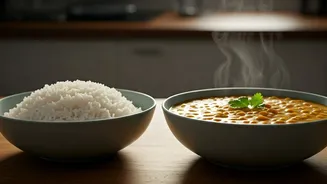
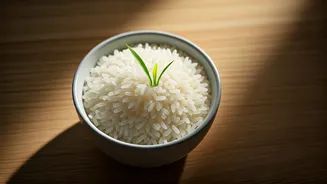
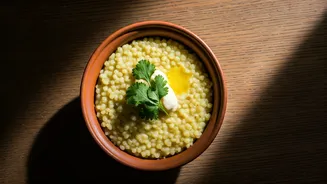
Rice kanji, also known as pazhaya kanji in its traditional form, is a remarkably simple yet effective probiotic beverage. Its creation involves soaking leftover cooked rice in water overnight, traditionally in an earthen pot, allowing a natural fermentation process to occur. This overnight soak transforms the liquid, making it slightly tangy and rich in beneficial microorganisms. Some families enhance its flavor and probiotic content by adding a splash of buttermilk or yogurt, and occasionally a tempering of mustard seeds and curry leaves. This drink is typically consumed first thing in the morning on an empty stomach to initiate digestion or just before meals to prepare the digestive system, especially for heavier food intake. Dietitians explain that this fermentation cultivates essential lactic acid bacteria, crucial for a balanced gut microbiome, improving nutrient absorption and promoting smoother digestion.
Holistic Health Benefits
Beyond its probiotic prowess, rice kanji offers a spectrum of health advantages that contribute to overall well-being. It serves as an excellent source of hydration, replenishing essential electrolytes, particularly beneficial during warmer climates or after periods of exertion. The drink also provides readily digestible energy, making it a nourishing choice for a light breakfast or a gentle pick-me-up. Furthermore, it's a good source of B vitamins, vital for numerous bodily functions. Notably, some naturally fermented batches may even contain small amounts of Vitamin B12, a nutrient often challenging to obtain from vegetarian diets. This fermented beverage is not only affordable and sustainable, repurposing leftover rice and reducing food waste, but it also actively supports digestive health by easing bowel movements, reducing discomfort from bloating and acidity, and enhancing overall gut function. Ayurveda emphasizes that robust digestion is the bedrock of good health, and kanji works at a fundamental level to fortify this crucial aspect.
Nature vs. Supplements
When comparing rice kanji to commercially available probiotics, it's less about one being definitively 'better' and more about understanding their distinct roles. Packaged probiotics are designed to deliver specific, targeted bacterial strains in controlled dosages, often supported by scientific research. In contrast, rice kanji offers a more holistic approach, providing a diverse array of naturally occurring microbes alongside vital nutrients, dietary fiber, and hydration. It is a whole-food solution rather than a concentrated supplement. Experts suggest that natural probiotics like kanji should ideally form the foundation of our gut health strategy, offering a gentle, integrated way to support the microbiome. Supplements can then be utilized when there is a specific clinical need or when targeting particular digestive issues. Rice kanji is free from artificial preservatives and chemicals, containing beneficial enzymes and compounds generated during the natural fermentation process, making it a pure, ancestral food choice.
India's Fermented Food Heritage
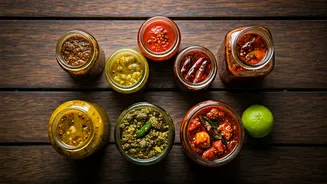
India's culinary landscape is incredibly rich with a variety of naturally fermented foods that contribute significantly to gut health. Beyond rice kanji, several other traditional preparations are highly recommended by nutrition experts. Homemade curd, or dahi, is a staple, teeming with beneficial bacteria. Buttermilk, known as chaas, is a refreshing and probiotic-rich drink. The batters used for staples like idli and dosa are naturally fermented, contributing to their unique texture and digestibility. Traditional Indian pickles, when prepared without vinegar and relying on natural fermentation, also offer probiotic benefits. Other noteworthy fermented options include carrot-beet kanji, and millet-based ferments like ambil. Regional specialties such as pakhala from Odisha, poita bhat from Assam, and pazhaya sadam from Tamil Nadu further showcase the deep-rooted tradition of consuming fermented foods across the country, each offering unique flavors and health advantages.
Ancestral Eating Wisdom
The traditional Indian approach to eating was not merely about sustenance but a sophisticated system designed to maximize nourishment and promote well-being, deeply rooted in local climate, geography, and digestive comfort. Practices like fermentation, soaking, sprouting, and slow cooking were not culinary trends but essential survival techniques that optimized the nutritional value of food and enhanced digestibility. Modern scientific research, particularly in the fields of microbiome diversity, digestion, and inflammation, is now validating the intuitive wisdom that generations of Indians practised. Our ancestors possessed an innate understanding of gut health and immunity, long before these concepts were scientifically defined. Traditional foods work harmoniously with the body, supporting long-term health and resilience by strengthening the body's natural processes rather than working against them, offering a profound lesson in a world often seeking quick fixes.