



Moringa's Hair Nourishment
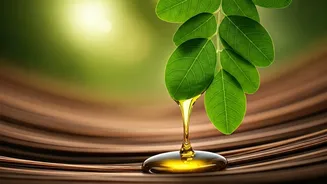
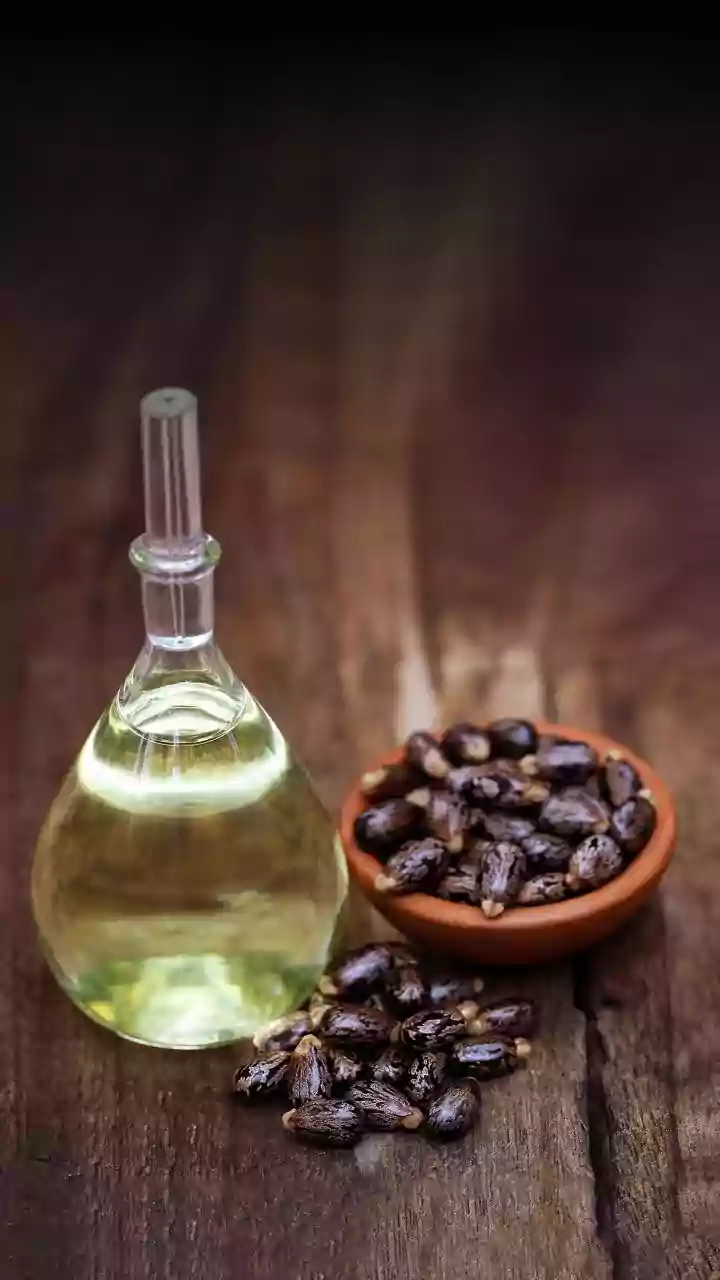
Moringa oil, extracted from the seeds of the "miracle tree," is a potent elixir for hair care. It's packed with essential nutrients, including oleic acid,
behenic acid, vitamins A and E, and a wealth of antioxidants. These components work synergistically to deeply nourish the scalp and strengthen hair follicles. Dr. Anup Dhir, a hair transplant surgeon, highlights its rich fatty acid, vitamin, and mineral content, crucial for revitalizing hair. This comprehensive nourishment not only enhances the vitality of existing hair but also creates an optimal environment for new growth, making it a holistic solution for those seeking healthier, more robust hair. The oil’s rich nutrient profile contributes to improved hair shaft integrity, potentially reducing breakage and leading to a fuller appearance.
Dandruff Defense System
For those battling dandruff, moringa oil emerges as a powerful ally. Its inherent antibacterial and antifungal properties are key to maintaining a clean and healthy scalp environment, directly addressing the microbial causes of dandruff. Dr. Blossom Kochhar, a pioneer in aromatherapy, explains that the oil's anti-inflammatory capabilities help to calm an agitated scalp and neutralize the fungi responsible for flakiness. Furthermore, moringa oil excels at combating dryness, a frequent precursor to dandruff. By imparting essential moisture, it alleviates itchiness and irritation, providing much-needed relief and restoring comfort to the scalp. This multifaceted approach makes moringa oil an effective treatment for a common and persistent scalp concern.
Boosting Hair Growth
Moringa oil can significantly contribute to hair growth and density by improving scalp circulation and fortifying hair strands. The oil's rich nutrient profile, including vitamins A, C, and E, along with amino acids, is believed to enhance blood flow to the scalp. This improved circulation ensures that hair follicles receive an adequate supply of nutrients, fostering a healthier environment for growth. Dr. Dhir suggests that this stimulation can lead to stronger hair growth over time. Additionally, the oil strengthens the hair shaft, which helps to minimize breakage and hair thinning. Regular application can lead to hair that not only grows better but also appears thicker and more resilient, addressing concerns about hair loss and promoting a fuller mane.
Scalp Hydration & Protection
Beyond its direct impact on dandruff and growth, moringa oil plays a vital role in maintaining overall scalp health through superior hydration and protection. The oil's emollient properties help to lock in moisture, preventing the dryness and flakiness that can plague many scalp types. This deep hydration creates a more comfortable and balanced scalp environment. Moreover, Dr. Kochhar points out that the abundant antioxidants present in moringa oil act as a shield, safeguarding the scalp from the damaging effects of environmental aggressors like pollution and UV radiation. This dual action of moisturizing and protecting ensures the scalp remains healthy, resilient, and well-nourished, laying the foundation for optimal hair vitality and appearance.
Incorporating Into Routine
Integrating moringa oil into your hair care regimen is straightforward and versatile. For a direct scalp treatment, gently massage a few drops into your scalp for 5-10 minutes, allowing it to penetrate for at least 30 minutes or even overnight before washing. As a nourishing hair mask, blend it with ingredients like honey, yogurt, or aloe vera for a 30-45 minute treatment. It can also serve as a pre-shampoo protector, applied to hair and scalp to mitigate damage during washing, or used sparingly as a leave-in conditioner to tame frizz and add shine to dry hair. Consistency is key; experts recommend using it at least twice weekly for noticeable enhancements. Always perform a patch test, especially if you have sensitive skin, and discontinue use if irritation occurs.
Selecting Quality Oil
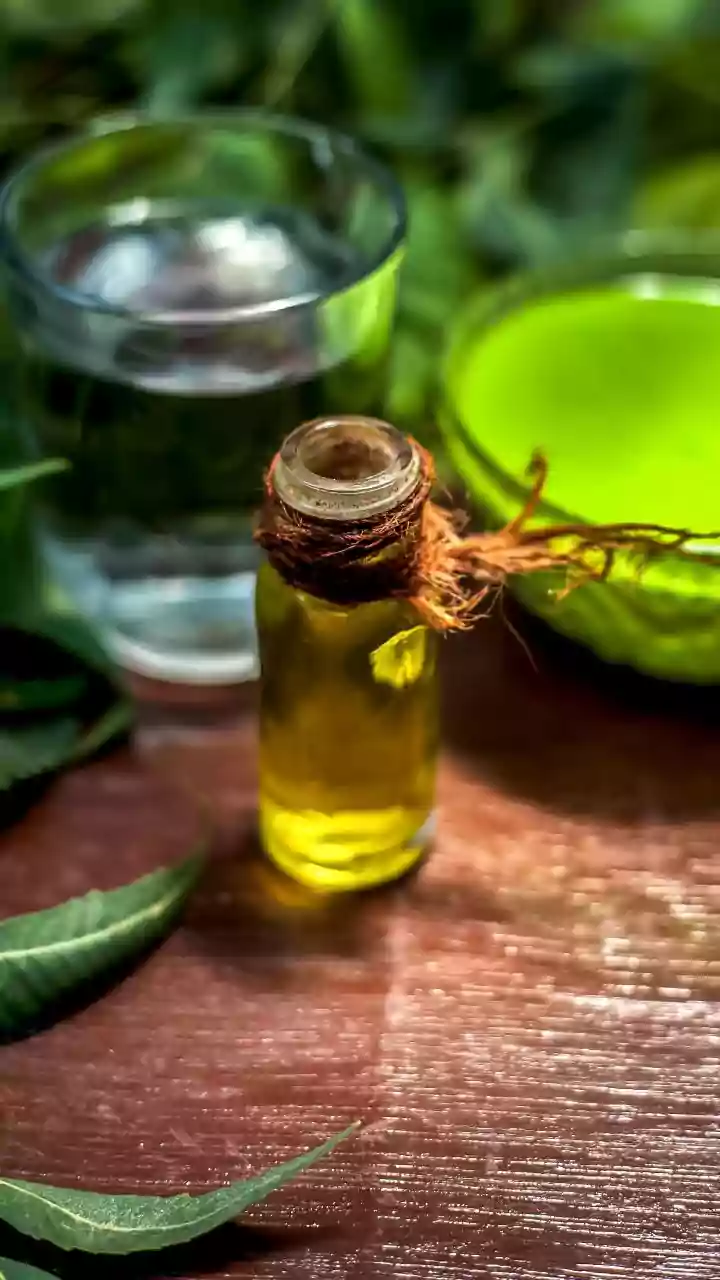
Choosing the right moringa oil is paramount to reaping its full benefits. Opt for cold-pressed varieties, as this method generally preserves the oil's delicate nutrients better than heat-intensive processes. Certified organic oil is preferable, ensuring it's free from pesticides and harmful chemicals. The ideal moringa oil presents a light yellow to golden hue and a pleasant, mild aroma; avoid dark, strong-smelling oils. Look for brands that are transparent about their sourcing and manufacturing methods. Packaging in dark glass bottles or opaque containers is crucial to protect the oil from light degradation. Always verify that the product is 100% pure, devoid of additives, and cross-reference with online reviews for assurance of quality and efficacy.