






Millet's Timeless Wisdom
Millets, far from being a fleeting trend, are ancient grains deeply understood by our bodies for generations. The shift in our lifestyles—marked by reduced
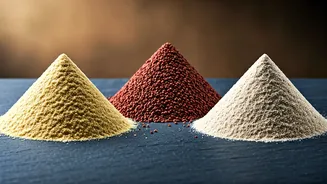
physical activity, increased stress, and a rise in prevalent health concerns—necessitates a more mindful approach to food choices today. Selecting the appropriate millet flour now transcends mere tradition; it's about aligning our diet with our body's specific requirements. Dr. Anju Sood, a renowned nutritionist, elucidates the distinctions between popular millet flours like Jowar (sorghum), Ragi (finger millet), and Bajra (pearl millet), offering insights to guide you in making an informed decision that supports your overall well-being.
Jowar for Gentle Digestion
If you frequently experience digestive discomfort such as bloating, feel sluggish, or notice your digestion isn't as smooth as it could be, Jowar (sorghum) flour is an excellent choice to integrate into your diet. This naturally gluten-free flour is remarkably light on the stomach, making it easy to digest without causing heaviness. Its rich fiber content actively supports a healthy gut environment, promoting regularity without making you feel weighed down. For individuals who spend extended periods sitting or find themselves experiencing low energy post-meal, Jowar can significantly contribute to maintaining consistent energy levels throughout the day, preventing those undesirable dips and surges.
Ragi for Bone Strength
When your primary health concerns revolve around calcium intake, bone density, or mitigating issues like hair fall, Ragi (finger millet) emerges as a standout option. It is celebrated as one of the most potent plant-based sources of calcium, crucial for maintaining robust skeletal health. Nutritionists often recommend Ragi, particularly for women in their twenties and thirties, as this life stage is critical for establishing strong bone reserves. Furthermore, Ragi promotes a prolonged sense of satiety, which can be highly beneficial for individuals actively working towards managing their weight. However, it is worth noting that Ragi can be slightly more challenging to digest for some, so mindful portion control is advisable to optimize its benefits.
Bajra for Blood Sugar
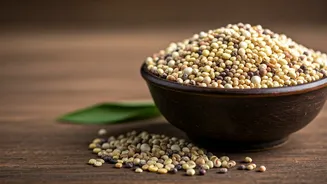
For those navigating the complexities of high blood sugar levels, insulin resistance, or persistent belly fat, Bajra (pearl millet) proves to be an exceptionally effective flour. Bajra boasts a low glycaemic index, which means it facilitates a gradual release of sugar into the bloodstream, averting sharp spikes. This characteristic helps in maintaining stable blood sugar levels, thereby reducing the likelihood of sudden hunger pangs or intense cravings shortly after eating. Additionally, Bajra possesses a naturally warming quality, making it an ideal dietary component during cooler months or for individuals who commonly experience feelings of cold.
Embrace Variety Daily
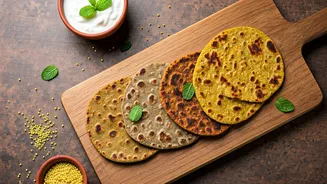
It's a common misconception that one single type of flour reigns supreme; in reality, your body thrives on diversity. Incorporating a rotation of Jowar, Ragi, and Bajra throughout your week ensures a more comprehensive spectrum of nutrients. Each of these millets offers distinct advantages, whether it's enhancing digestion, providing sustained energy, or bolstering bone health. Moreover, varying your grains adds an element of excitement to your meals, making it substantially easier to adhere to a healthy eating plan over the long term. Ultimately, the most beneficial approach is to listen to your body's signals and adjust consumption based on how you feel.