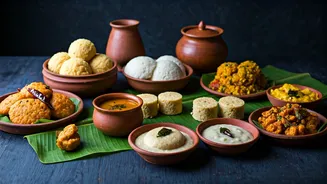

Introduction to Pongal
Pongal is a multi-day harvest festival celebrated primarily in Tamil Nadu, India. It's a time of thanksgiving, marking the end of the harvest season. The
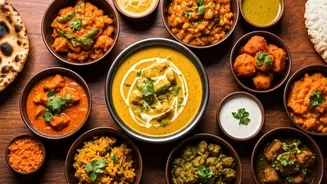
festival's name also refers to a sweet dish made from rice boiled with milk and jaggery, which symbolizes prosperity. Beyond the sweet treat, the festival showcases a rich culinary heritage, with numerous dishes prepared and shared among families and communities. The dishes are often made using freshly harvested grains and vegetables, reflecting the abundance of the season. The aroma of these festive foods fills the air, creating a warm and inviting atmosphere. It’s a celebration of nature's bounty and the joyous spirit of togetherness.
Ven Pongal's Essence
Ven Pongal is a savory porridge made with rice and lentils, seasoned with spices like cumin, ginger, and black pepper. The dish is cooked until it reaches a soft, creamy consistency. It is often served hot with a dollop of ghee, enhancing the flavors and adding a rich aroma. Ven Pongal is a breakfast staple, and its simplicity makes it easy to digest, yet satisfying. It offers a comforting start to the day. The creamy texture of the rice and lentils combined with the fragrant spices creates a harmonious blend of flavors. It can be paired with chutneys and sambar to add more variety to the flavors and textures of the meal. The versatility of Ven Pongal allows it to be enjoyed across all age groups and occasions.
The Joy of Sakkarai Pongal
Sakkarai Pongal is a sweet dish made with rice, jaggery, and milk, often flavored with cardamom and nuts. This dish has a significant cultural importance, and it's prepared during auspicious occasions like Pongal. The sweetness of jaggery is balanced by the creamy texture of the milk, and the cardamom and nuts provide a rich aroma. The preparation of Sakkarai Pongal is often a communal activity, fostering a sense of togetherness. The slow cooking process allows the flavors to meld, creating a satisfying dessert. The addition of nuts like cashews and raisins adds a delightful crunch. This dish is usually offered to deities and is an important part of the festive traditions.
Flavors of Medu Vada
Medu Vada is a deep-fried lentil fritter, crispy on the outside and soft inside. The batter is made from soaked and ground lentils, seasoned with spices. Medu Vada is a popular breakfast and snack, often served with sambar and chutney. The perfect Medu Vada has a golden-brown crust and a fluffy interior. The preparation of Medu Vada is a culinary art that involves patience and skill. When fried to perfection, it absorbs less oil and becomes a delicious treat. The contrasting textures of crispy exterior and soft interior, combined with the savory spices, make Medu Vada a delightful experience. It is a favorite among people of all ages.
Sambar's South Indian Heart
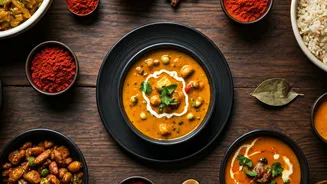
Sambar is a lentil-based vegetable stew, a staple in South Indian cuisine. It’s a medley of vegetables, lentils, and a blend of aromatic spices. Sambar is a versatile dish, with each region having its unique variation. The preparation involves simmering vegetables and lentils with tamarind, sambar powder, and other spices. The stew is often served with idli, dosa, vada, or rice. The balance of flavors – tangy, spicy, and savory – makes it a satisfying accompaniment. The vegetables used in sambar vary depending on the season and personal preferences. Sambar's complexity comes from the combination of diverse ingredients and the slow cooking process. It provides a complete and balanced meal.
Coconut Rice's Simplicity
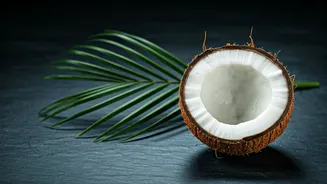
Coconut Rice is a simple yet flavorful rice dish cooked with coconut milk. The use of coconut milk gives the rice a creamy texture and a subtle sweetness. The rice is often seasoned with spices such as mustard seeds, curry leaves, and sometimes cashews. Coconut Rice is a versatile dish that can be enjoyed as a main course or a side dish. The dish requires basic ingredients and is easy to prepare. The gentle aroma of coconut milk infuses the rice, and the spices add layers of flavor. It pairs well with various vegetarian and non-vegetarian curries and is a popular dish during festive occasions.
Puli Pongal's Tang
Puli Pongal is a tangy and flavorful rice dish cooked with tamarind. It's similar to Ven Pongal but includes a tangy twist thanks to the tamarind. The tamarind gives the dish a unique, sour flavor that complements the richness of the rice and lentils. Puli Pongal is often seasoned with mustard seeds, curry leaves, and other spices. The dish is a comforting treat that's easy to make and digest. The use of tamarind adds a pleasant tartness, making it different from other Pongal variations. The addition of spices enhances the flavor profile, creating a balanced and flavorful dish.
Lemon Rice: Zesty Delight
Lemon Rice is a simple rice dish with a vibrant citrus flavor. The dish is made by tempering cooked rice with mustard seeds, lentils, curry leaves, and peanuts and then adding lemon juice. The freshness of lemon juice enlivens the dish, making it a refreshing treat. The peanuts add a lovely texture and crunch. It's quick to prepare and is often made as a light meal or a side dish. The flavor combination is a classic, blending the sharpness of lemon with the savory elements of the tempering. Lemon Rice is a delightful choice during warm weather. The bright yellow color of the dish and its zesty flavor makes it a feast for the senses.
Payasam's Sweetness
Payasam is a sweet pudding made with milk, sugar, and vermicelli or rice. It's often flavored with cardamom, nuts, and raisins. Payasam is a dessert of celebrations and festive occasions in South India. The creamy texture of the milk and the sweetness of sugar create a comforting treat. The aroma of cardamom and the crunch of nuts add layers of flavor. Payasam is a dish that evokes nostalgia and brings warmth and happiness. The vermicelli or rice adds texture and body to the dessert. It's a satisfying end to any meal and a perfect symbol of joy.
Kootu's Flavorful Blend
Kootu is a South Indian dish made with vegetables and lentils, cooked in a blend of spices. This dish is usually served as a side dish or accompaniment to rice. The preparation involves simmering vegetables and lentils with spices and grated coconut. The spices used in Kootu vary based on the vegetables. Kootu offers a nutritious and balanced meal. The vegetables add flavor and texture. It is a satisfying and flavorful accompaniment to rice. This dish combines the goodness of vegetables and lentils, providing essential nutrients and a delightful taste. It showcases the variety of regional vegetables.