







Rethinking AI Energy Metrics
OpenAI CEO Sam Altman has ignited a significant online conversation about the considerable energy demands associated with artificial intelligence, particularly
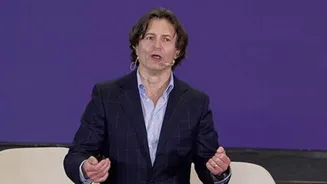
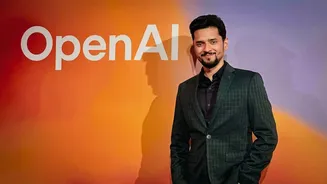
concerning the data centers essential for training and operating AI models. During a recent appearance at Express Adda, Altman proposed a novel way to consider the energy efficiency of AI, suggesting that comparing the energy required for a single AI query to the energy expended in training a human offers a more balanced perspective. He argued that discussions often unfairly focus on the energy needed to train an AI model, rather than the operational cost of a single inference query. To illustrate his point, Altman drew a parallel to human development, noting that it takes approximately 20 years of a human's life, along with all the sustenance consumed during that period, to develop intelligence. Furthermore, he emphasized that the cumulative knowledge and learning of billions of humans throughout history contributed to the development of each individual. Altman's contention is that when measured by the energy cost of answering a question after the initial training phase, AI has likely already achieved comparable, if not superior, energy efficiency to humans.
Quantifying AI vs. Human Energy Use
Addressing a specific query about ChatGPT's energy consumption, which some sources estimated to be equivalent to 1.5 iPhone battery charges per query, Sam Altman strongly refuted this figure, stating it was "nowhere close" to the actual amount. His comments come at a time when the rapid expansion of AI infrastructure, including vast data centers, is drawing increased scrutiny due to its significant resource requirements. The burgeoning demand for electricity to power these facilities has been linked to rising energy costs. In fact, some governmental bodies are exploring initiatives requiring tech companies to contribute to the cost of new power plants needed to support data centers. This discussion also coincides with India's ambitious plans to become a global data center hub, with substantial investment earmarked for AI infrastructure development over the next decade. Altman's perspective challenges the prevailing narratives by advocating for a holistic view of resource allocation, comparing the long-term developmental costs of biological intelligence with the immediate operational costs of artificial intelligence.
Debunking Water Usage Claims
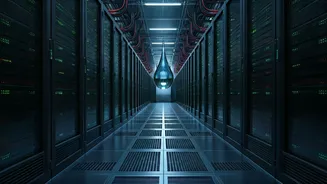
Regarding the frequently raised concern about the water consumption of data centers, particularly those housing the powerful GPU server racks that fuel AI models, Sam Altman firmly dismissed these claims as "totally fake." He explained that older data center cooling methods, such as evaporative cooling, are no longer the standard. Altman directly refuted online assertions that suggest, for example, that each ChatGPT query consumes 17 gallons of water, labeling such reports as "completely untrue" and "insane." While he firmly rejected exaggerated water usage figures, Altman acknowledged that legitimate concerns exist regarding the overall energy footprint of AI, not on a per-query basis, but in terms of the aggregate consumption as AI adoption grows globally. He underscored the urgent need to transition towards renewable energy sources like nuclear, wind, and solar power to sustainably meet this escalating demand. Altman also expressed skepticism about the viability of space-based data centers for the current decade, citing the prohibitive costs of launches and the practical difficulties of maintaining equipment in orbit.