







The Core of Inflammation
Inflammation, a vital bodily process, serves as your body's defense mechanism against infections, injuries, and diseases. It's an essential part of the
healing process, kicking into gear to repair damaged tissues and eliminate harmful invaders. However, when this response lingers long after the threat has subsided, it transforms into chronic inflammation. This persistent state can quietly wreak havoc on your system, contributing to a myriad of health concerns. Understanding the fundamental difference between acute, beneficial inflammation and its long-term, detrimental counterpart is the first step in recognizing its impact on overall well-being. This persistent, low-grade inflammation can become a silent partner in the aging process, affecting various bodily functions.
Inflamm-aging Explained
As we advance in age, our bodies can experience a unique type of simmering inflammation known as 'inflamm-aging.' This isn't necessarily a sudden illness, but rather a gradual, persistent elevation in inflammatory markers that becomes more pronounced with time. Think of it as a low-grade fire that's always smoldering. This age-associated inflammation is linked to a variety of health issues that often emerge as people get older. It can influence everything from cognitive function, leading to what's commonly termed 'brain fog,' to overall vitality and susceptibility to chronic conditions. Recognizing inflamm-aging is crucial because it signals a shift in the body's internal environment that can impact longevity and quality of life.
Dietary Allies for Aging
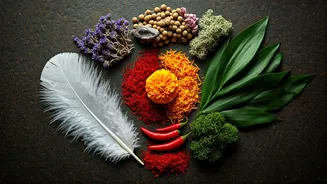
What you eat plays a pivotal role in managing inflammation and supporting your body as you age. Embracing an anti-inflammatory diet can significantly counteract the effects of inflamm-aging. Focus on incorporating nutrient-dense foods rich in antioxidants, which combat cellular damage caused by free radicals, a key contributor to inflammation. This includes a wide array of colorful fruits and vegetables, such as berries, leafy greens, and cruciferous vegetables, along with healthy fats from sources like avocados, nuts, seeds, and olive oil. Incorporating herbs and spices like turmeric, ginger, and cinnamon can also be beneficial due to their potent anti-inflammatory properties. Furthermore, fostering a healthy gut microbiome through probiotic-rich foods like yogurt and fermented vegetables can bolster your immune system's ability to regulate inflammation.
Lifestyle Shifts for Vitality
Beyond diet, adopting a holistic approach to lifestyle is paramount for combating inflamm-aging. Regular physical activity is a cornerstone of healthy aging, not only by helping to manage weight but also by directly reducing inflammatory markers and improving circulation. Aim for a combination of aerobic exercise and strength training to maintain muscle mass and bone density. Equally important is prioritizing quality sleep, as insufficient rest can exacerbate inflammation and impair cognitive function. Managing stress through techniques like meditation, deep breathing exercises, or engaging in enjoyable hobbies can also significantly lower the body's inflammatory response. These lifestyle adjustments work synergistically to support cellular health and promote overall resilience as you age.
Oxidative Stress Connection
A critical factor intertwined with inflammation and aging is oxidative stress. This occurs when there's an imbalance between free radicals, unstable molecules that can damage cells, and antioxidants, which neutralize them. Over time, this cellular damage can contribute to aging and the development of various chronic diseases. Understanding oxidative stress means recognizing how environmental factors, poor diet, and even normal metabolic processes can increase free radical production. Fortunately, dietary choices rich in antioxidants, such as the 14 antioxidant-rich foods and the 10 foods beneficial for aging skin and health mentioned, can help bolster your body's defenses against this damaging process. By mitigating oxidative stress, you're directly addressing a root cause of inflammation.