






The Sweet Dilemma
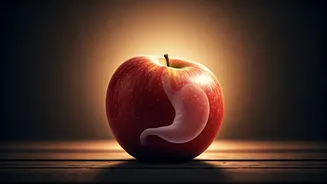
Many people reach for fruit after dinner as a healthier alternative to heavy desserts. While fruits are packed with nutrients and generally easy to digest,
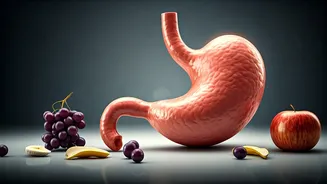
their timing can significantly impact your gut. Normally, fruits pass through the stomach quite quickly, typically within 20 to 40 minutes. However, when consumed immediately following a substantial evening meal, the digestive process changes. Your body is already busy breaking down fats and carbohydrates from the dinner, which can cause the fruit to linger in the stomach for an extended period. This delay is where the potential digestive issues begin to surface for a portion of the population.
When Fruit Ferments
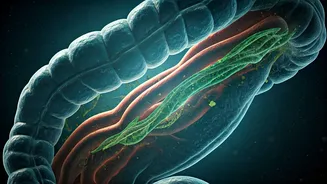
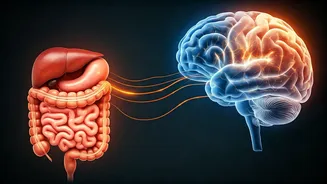
The prolonged stay of fruits in the stomach post-dinner can lead to fermentation. The natural sugars and fiber present in fruits, when left to sit for too long, can begin to break down through microbial action in the gut. This fermentation process is a common culprit behind feelings of bloating, excessive gas, and an uncomfortable sensation of fullness. Furthermore, the high fiber content of some fruits can add an extra burden to an already occupied digestive system, potentially resulting in symptoms like stomach tightness, frequent burping, abdominal cramping, and even disrupted sleep patterns as your body struggles to process the load late into the night.
Fructose-Prone Fruits
While not all fruits are equally likely to cause issues, certain varieties are more prone to triggering digestive discomfort when eaten late. Fruits like apples, pears, mangoes, and watermelon are particularly high in fructose, a type of natural sugar that a segment of the population finds challenging to digest efficiently. When the body struggles to break down fructose, it remains in the gut for longer, drawing additional water into the intestines. This can then be fermented by gut bacteria, leading to the characteristic symptoms of bloating, gas, and heaviness that many experience after consuming these specific fruits post-meal.
Sensitive Stomachs Beware
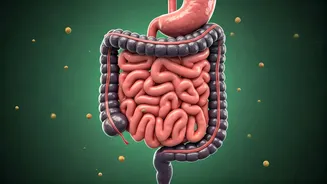
Individuals with sensitive digestive systems, particularly those diagnosed with Irritable Bowel Syndrome (IBS), are more likely to experience adverse reactions to eating fruits after dinner. The high fructose content in many fruits can act as a trigger, easily exacerbating existing gut sensitivities. For these individuals, consuming fructose-rich foods late in the day can promptly lead to symptoms such as bloating, cramping, and irregularities in bowel movements. It's crucial for those with known gut sensitivities to be mindful of their intake and how their body reacts to different food timings.
Optimal Fruit Timing
To steer clear of potential digestive distress, the timing of fruit consumption is key. Instead of immediately following a meal, it's generally recommended to enjoy fruits as a standalone snack. Ideal times include mid-morning or as an evening snack, allowing ample time for digestion before or after larger meals. However, it's important to acknowledge that digestive tolerance varies greatly among individuals. Paying attention to your own body's signals and how it responds to different fruits and eating schedules is the most effective way to determine the best approach for your personal digestive well-being. This isn't about deeming fruits unhealthy, but rather understanding the role of timing and individual sensitivity.