
Running vs Strength Training
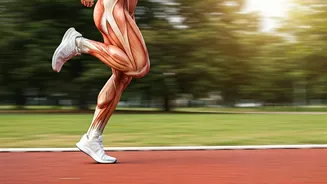
Running, especially at a moderate distance like 5 KM, has a different effect on muscles compared to strength training. While running can improve cardiovascular
health and endurance, it may not directly lead to substantial muscle growth in the same way as lifting weights. Strength training, using exercises like squats, push-ups, and weightlifting, is specifically designed to stress the muscles, leading to hypertrophy, or muscle enlargement. Running primarily utilizes slow-twitch muscle fibers, which are more efficient for endurance, while strength training activates fast-twitch fibers, crucial for power and muscle size. Therefore, running 5 KM daily might improve overall fitness but may not yield the same muscle-building results as dedicated strength training sessions.
Muscle Building Explained
Building muscle involves a process called protein synthesis, where the body repairs and rebuilds muscle fibers after they're broken down during exercise. Strength training provides the necessary stimulus for this process. Exercises that challenge muscles, like resistance training or bodyweight exercises, create micro-tears in muscle fibers. The body responds by repairing these tears and building them stronger, leading to increased muscle mass. This process also benefits from adequate protein intake and sufficient rest. While running can contribute to overall fitness, it may not create the same level of muscle damage and subsequent repair that is characteristic of strength training, which is essential for visible muscle growth. The intensity and type of exercise play a key role in muscle development.
Runners and Muscle Growth
Runners can still build muscle, but it may require specific strategies and adjustments to a typical running routine. Incorporating hill repeats or interval training can increase the intensity and muscle engagement during runs. These types of workouts create more demand on the muscles, potentially stimulating some muscle growth. Additionally, focusing on proper nutrition, especially adequate protein intake, is crucial for muscle repair and building. Combining running with bodyweight exercises, such as push-ups, squats, and planks, can also help to strengthen and tone muscles. Even though running 5 KM might not lead to significant muscle bulk, these modifications can help runners improve muscle definition and overall physique. The combination of running, strategic training, and a healthy diet can support muscle development even without gym workouts.
Diet and Muscle Growth
Nutrition plays a critical role in muscle growth, regardless of the exercise regimen. Protein is the primary building block of muscles, so an adequate intake is essential. Aim for approximately 1.2 to 1.7 grams of protein per kilogram of body weight each day. This can be achieved through a diet rich in protein sources such as lean meats, poultry, fish, eggs, dairy products, and plant-based proteins like beans, lentils, and tofu. Carbohydrates are also important for providing energy to fuel workouts and support muscle recovery. Consuming a balanced diet with complex carbohydrates, healthy fats, and essential micronutrients further optimizes the muscle-building process. Timing your meals, especially consuming protein shortly after workouts, can also enhance muscle recovery and growth. Proper hydration is also vital for overall performance.
Alternatives to Gym Workouts
If you don't want to go to the gym, there are plenty of effective alternatives. Bodyweight exercises are a great option, as they can be done anywhere and require no equipment. Exercises like push-ups, squats, lunges, planks, and pull-ups (if you have a bar) can effectively work various muscle groups. Resistance bands provide another versatile way to add resistance and increase the intensity of your workouts. You can do various exercises with bands that challenge the muscles. High-intensity interval training (HIIT) combines short bursts of intense exercise with brief recovery periods, and can be easily adapted to a home setting and efficiently builds muscle and burns fat. Outdoor activities, such as hiking or cycling, offer an excellent way to combine exercise with enjoying the environment and challenge your muscles in a functional way.
Integrating Running and Training
To maximize muscle development, consider integrating running with other forms of training. Incorporate strength training sessions, even if they are just bodyweight exercises, into your routine a couple of times a week. This would involve exercises that directly target muscle groups. When running, vary your workouts by including interval training or hill repeats to increase muscle engagement. Prioritize proper warm-up before workouts and cool-down afterwards to prevent injuries and aid recovery. Listen to your body and allow for adequate rest between training sessions. Proper rest ensures that your muscles have time to repair and rebuild. By combining running with strategic strength training, you can create a balanced workout program that promotes both cardiovascular fitness and muscle growth, even without relying solely on gym equipment.
Expert Recommendations
Experts often suggest a combination of activities for optimal fitness and muscle development. Running is beneficial for cardiovascular health and endurance, but it may not be sufficient for significant muscle growth on its own. They recommend supplementing running with strength training to directly stimulate muscle growth. This might involve bodyweight exercises, resistance band workouts, or even using basic equipment like dumbbells or kettlebells if available. Nutritionists emphasize the importance of a protein-rich diet to support muscle repair and growth. Furthermore, consistent rest and recovery are critical for muscle development. Following a well-rounded approach ensures you target all aspects of fitness, from cardiovascular endurance to muscle strength, without necessarily having to rely on a gym membership. It's about finding a strategy that aligns with your goals and preferences.