



Sunlight: The Golden Rule
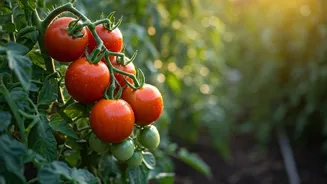
Tomato plants are sun worshippers, demanding a minimum of six to eight hours of direct sunlight each day to truly flourish. This intense exposure is the
cornerstone of their growth, fueling vital processes that lead to robust root systems, sturdy stalks, and ultimately, flavorful, antioxidant-rich fruit. Without adequate sunlight, plants can become leggy and weak, unable to photosynthesize effectively. Photosynthesis, the process by which plants convert light energy into sustenance, is paramount for developing everything from their foundational roots to the very fruits we enjoy. Experts emphasize that this direct light is crucial for optimal development, ensuring a healthy balance for sugar and flavor during the ripening stages, and boosting the development of beneficial antioxidants within the tomatoes.
Pruning for Radiance
Beyond just providing light, actively managing your tomato plants through pruning is key to maximizing their sun exposure and overall health. As tomato plants mature, their dense foliage can create shade, hindering sunlight from reaching all parts of the plant. Strategic pruning helps to improve air circulation within the plant and ensures that light can penetrate more effectively to the lower leaves and developing fruits. Removing excess branches, especially those that are rubbing against each other, are too close to the ground, or show signs of browning, not only improves light penetration but also reduces the risk of diseases. This practice creates a more open structure, allowing sunlight and air to move freely, contributing to stronger plant growth and a healthier harvest.
Feeding and Watering Wisdom
Tomatoes are notoriously 'heavy feeders,' meaning they require a significant amount of nutrients and water, particularly during their crucial flowering and fruiting stages. Ensuring they receive a balanced diet of fertilizer and consistent moisture is as vital as providing ample sunlight. When watering, it's best to target the base of the plant rather than overhead, to minimize the risk of fungal diseases developing on the foliage. For those gardening in less-than-ideal conditions, such as limited outdoor space or insufficient natural light, horticultural experts suggest supplementing with grow lights. These artificial lights can provide the necessary spectrum and intensity of light, even allowing for year-round cultivation indoors and ensuring a consistent supply of energy for robust growth and fruit production.
Light Variations and Exceptions
While the general rule for all tomato varieties is to bask in direct sunlight, a few exceptions exist, though they come with important caveats. Certain types, like cherry tomatoes or the 'Mama Leone' variety, might exhibit a greater tolerance for partial shade or indirect light compared to their sun-loving counterparts. However, even these types will generally perform best when exposed to direct sun for a significant portion of the day. The fundamental need for direct sunlight remains a primary requirement for most tomatoes to thrive. If your space is constrained, consider companion planting or strategic placement to ensure your tomatoes receive the maximum possible direct light, potentially needing support structures to keep foliage elevated and open to the sun's rays.