







A Rare Mango Blooms
In the quiet village of Tamasa, nestled within Odisha's Malkangiri district, farmer Deba Padhiami has achieved a remarkable feat: cultivating the highly
sought-after Japanese Miyazaki mango. This variety, renowned globally for its premium quality, can command prices close to Rs 3 lakh per kilogram in international markets. What began as a farmer's hopeful endeavor has transformed into a source of both immense pride and significant anxiety for Deba. The immense value of his harvest has instilled a constant fear of theft, compelling him to dedicate his nights to vigilantly guarding the precious trees. This unexpected situation highlights the complexities that arise when cultivating such an exceptionally valuable crop, far beyond the usual concerns of agriculture.
Journey to Odisha
The story of how this exotic fruit found its way to Odisha begins nearly four years ago when Deba Padhiami was gifted a sapling by a benevolent social worker. For years, he diligently nurtured this delicate plant, shielding it from the vagaries of changing weather patterns and overcoming the inherent difficulties of farming. His unwavering patience and commitment have finally borne fruit, quite literally, with the appearance of the Miyazaki mangoes. However, this success has brought a new set of challenges. The extreme value of these mangoes has instilled a deep-seated fear in Deba, leading him to remain on constant guard, often sleeping near the trees to deter potential thieves. This intense personal commitment underscores the extraordinary circumstances surrounding his unique cultivation.
The Enigma of Sale
Despite successfully cultivating one of the world's most opulent mango varieties, Deba Padhiami finds himself in a perplexing predicament: he has no clear strategy for selling his harvest. The intricate nature of luxury fruits like the Miyazaki mango requires specialized handling, including meticulous packaging and carefully managed transportation logistics. Potential buyers are typically discerning individuals, such as collectors, exclusive fruit retailers, exporters, or high-end hotels and restaurants. Navigating this niche market presents a significant hurdle for Deba, who is now actively seeking guidance from government agricultural departments and expert advisors to help him determine the appropriate pricing and distribution channels for his extraordinary yield.
Miyazaki's Distinct Appeal
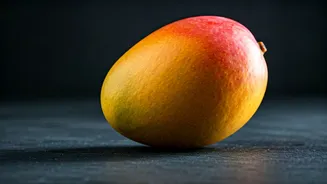
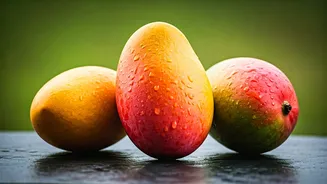
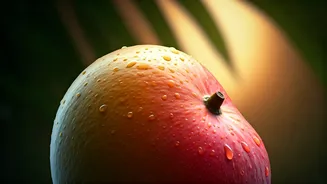
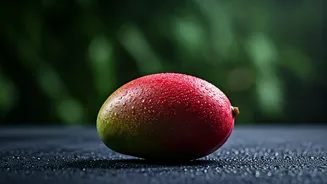
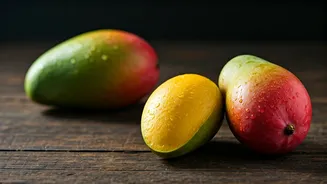
The allure of the Miyazaki mango transcends the typical appreciation for sweetness and juiciness found in many Indian mango varieties. This fruit commands attention for its striking, deep red hue, unparalleled taste, and inherent rarity, placing it in a class of its own. Upon ripening, Miyazaki mangoes exhibit a vibrant, almost luminous red color, a stark contrast to the common yellow of most mangoes. Their distinctive shape and brilliant color have led some to liken them to dinosaur eggs. Over time, they have ascended to become one of Japan's most prestigious fruits, frequently featured in high-end fruit markets and exclusive auctions, where a single specimen can command a substantial price. The fruit's fame, however, is not solely tied to its expense but also to its exceptional quality and stringent standards.
Excellence Defined
Beyond its prestigious market standing, the Miyazaki mango is celebrated for its superior quality attributes. These fruits are typically substantial in size, with individual mangoes often exceeding 350 grams. Their taste profile is exceptionally sweet, boasting a minimum sugar content of 15 percent. In Japan, the cultivation and sale of Miyazaki mangoes are governed by rigorous quality control measures. Only those fruits that achieve perfection in terms of color saturation, sweetness, and overall appearance are granted the esteemed designation of 'Eggs of the Sun.' This meticulous process ensures that each mango represents the pinnacle of fruit cultivation, reinforcing its status as a luxury commodity.