






Understanding Indian Winters
India's winter weather can differ greatly based on geographical location. The northern regions experience freezing temperatures and heavy snowfall, whereas
the southern parts enjoy milder climates. The jackets must provide enough warmth, protecting against the cold weather. The choice also depends on personal style preference and the jacket's intended usage. For example, a heavy, insulated jacket might be ideal for someone residing in the Himalayas. At the same time, a lighter fleece jacket or a casual one could suffice for someone in Mumbai, where the weather is generally moderate. The variety ensures everyone finds something suited to their lifestyle and warmth needs. Therefore, when choosing a winter jacket, understanding the local climate and the degree of insulation you need is paramount. This will ensure both comfort and style during the colder months.
Essential Jacket Types
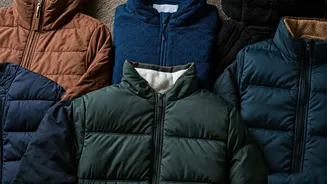
Several jacket styles cater to India's winter conditions. Casual jackets are versatile and appropriate for many occasions. They're typically lightweight, providing warmth without bulk, making them ideal for everyday wear in areas with moderate winters. Fleece jackets, known for their warmth and softness, are another fantastic option. They trap body heat, keeping you cozy in cold weather; they are also lightweight and suitable for layering, making them flexible for fluctuating temperatures. For maximum warmth, consider insulated winter jackets. These jackets have insulating materials like down or synthetic fill, designed to trap heat and shield you from extreme cold. Many also include features such as a waterproof outer layer, making them suitable for snowfall or rain. Finally, hoodies with zippers are also a great choice because they combine practicality and casual style. The zipper allows for easy adjustment of ventilation, and they can be worn as a single layer or under another jacket.
Materials Matter Most
The material plays a significant role in determining how warm and comfortable your winter jacket will be. Fleece is an excellent material for insulation. It is soft and lightweight, offering warmth without adding much bulk, making it a favorite for casual wear and layering. For water resistance, consider jackets made of materials like nylon or polyester. These materials repel water, keeping you dry during light rain or snowfall, making them ideal for outdoor activities. Down jackets, made with goose or duck down, provide exceptional insulation. Down is incredibly effective at trapping air, creating a barrier against the cold. However, down jackets are often more expensive and may not perform as well when wet. Synthetic insulated jackets offer a good alternative. They are typically made of materials such as polyester and provide warmth similar to down while remaining functional even when wet. Lastly, choose jackets made of breathable materials, as breathability prevents overheating and ensures comfort during active use. Look for options with ventilation features like mesh linings or underarm zippers for added comfort.
Styling for Warmth and Fashion
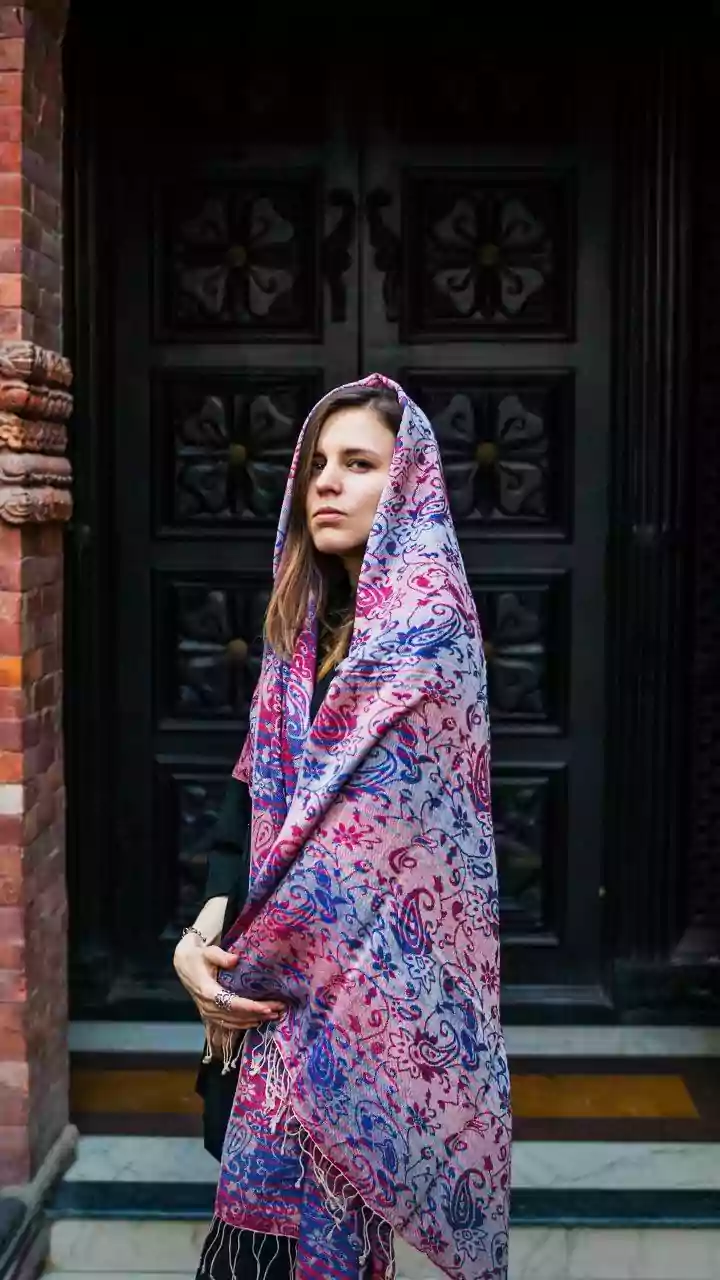
Styling your winter jacket requires careful consideration of both functionality and fashion. Layering is key to adapting to varying temperatures. Start with a base layer, such as a thermal top, followed by a mid-layer like a fleece or sweater, and finally, the outer jacket. This approach allows you to adjust your warmth level as needed. Embrace versatility when choosing your jacket. Consider the jacket's color, style, and how it aligns with your existing wardrobe. Neutral colors like black, navy, and olive green are versatile and coordinate with most outfits. Don't underestimate the power of accessories. Scarves, gloves, and hats not only keep you warm but also add personality to your winter ensemble. Choose accessories that complement your jacket's style and overall aesthetic, like a beanie or scarf. Finally, consider the jacket's length and fit. A longer jacket can offer more coverage and warmth, while a shorter jacket might be better for layering or active use. Ensure the fit is comfortable and allows for movement without feeling too restrictive.
Caring for Winter Jackets
Proper care and maintenance can extend the lifespan of your winter jackets. Always follow the care instructions on the jacket's label. This will usually involve specific washing instructions and drying methods. For most jackets, machine washing is acceptable, but ensure you use a gentle cycle and a mild detergent. Avoid using bleach or fabric softeners, as these can damage the materials. After washing, check the label for drying instructions. Some jackets can be tumble-dried on low heat, while others require air-drying to prevent damage. Make sure to store your jacket properly when it's not in use. Clean and dry the jacket before storing it. Store it in a cool, dry place away from direct sunlight. Consider using a garment bag to protect it from dust and insects. Regular maintenance, such as spot cleaning and repairing any small tears, can prevent more significant damage. By following these care tips, you can ensure your winter jackets remain in good condition for many seasons to come.