


An Unexpected Hitch
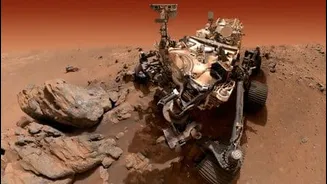
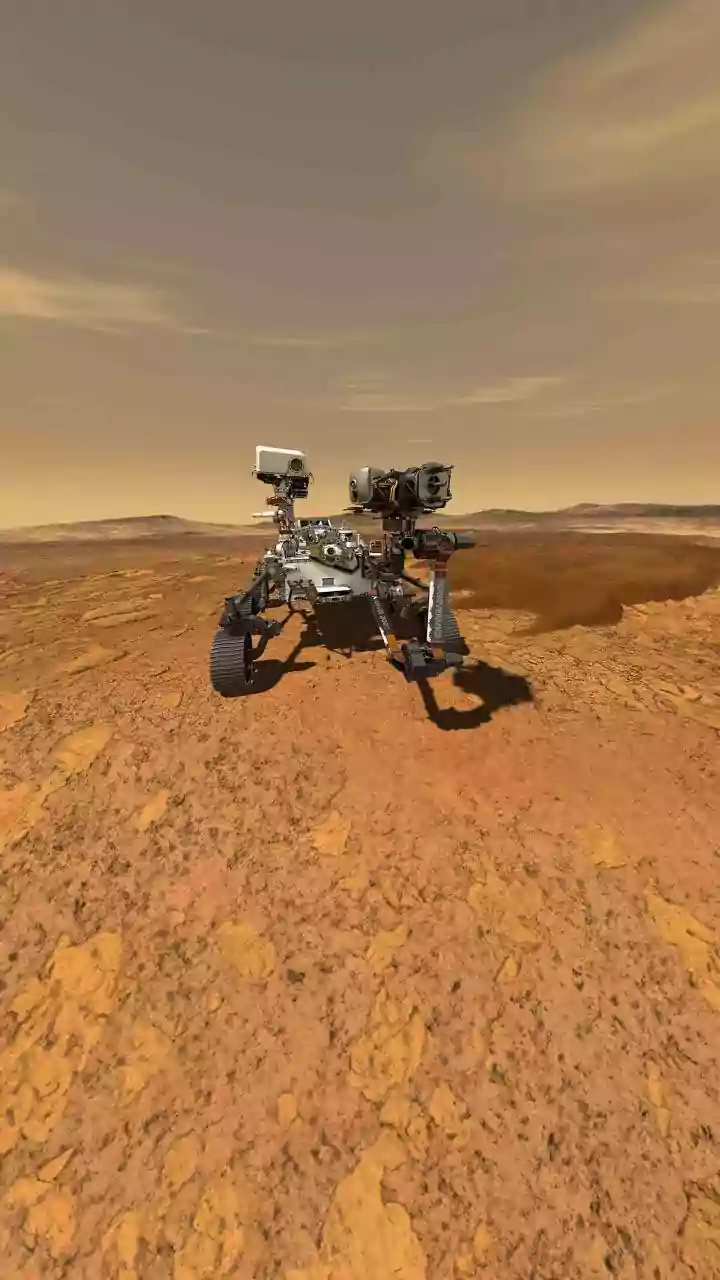
What began as a standard rock sampling endeavor by NASA's intrepid Curiosity rover on Mars quickly evolved into a curious engineering puzzle. The rover,
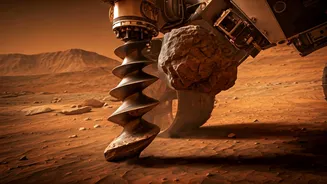
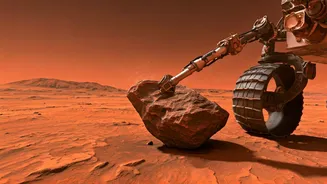
a veteran explorer of the Red Planet, was engaged in a routine operation to collect a sample from a target rock. However, instead of the expected fine powder, a fragment of the rock decided to play a game of stubborn attachment. This particular piece stubbornly clung to the drill sleeve, a component not designed to retain any material. The unusual grip was evident even after the drilling concluded, presenting a small yet significant quandary for the mission control teams on Earth, who had to devise a strategy to dislodge the unexpected stowaway from millions of kilometers away.
The "Atacama" Incident
The rock in question, affectionately nicknamed 'Atacama,' was the focus of Curiosity's attention during this particular operation. The rover meticulously approached the site and initiated its sophisticated drilling process, a procedure honed over years to transform Martian geology into analyzable dust. This critical drill, an integral part of the rover's robotic arm, encountered an unforeseen complication. A significant chunk of the 'Atacama' rock, rather than fracturing as anticipated, adhered itself firmly to the stationary sleeve that encases the spinning drill bit. This sleeve's purpose is purely functional, to guide the drill, not to act as a temporary holder for geological specimens, rendering the situation a deviation from normal operations and sparking immediate interest among the science teams.
Earthbound Efforts
With the rock stubbornly in place, the mission's Earth-based engineers initiated a careful and methodical approach to resolve the predicament. Given the immense distance and the delicate nature of the rover's sophisticated systems, every command was meticulously planned and validated before transmission. Initial attempts involved subtle maneuvers, including gentle jostling of the robotic arm and minor vibrations, hoping to dislodge the errant fragment. Slow, controlled rotations of the drill were also attempted, but the rock remained resolutely attached. Over the subsequent days, the team escalated their efforts, experimenting with varied angles, slightly more vigorous vibrations, and more nuanced drill rotations, yet the rock's grip proved exceptionally tenacious, prompting consideration of a complete system reset as a last resort.
A Determined Detachment
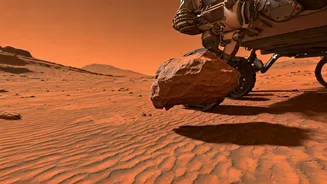
After numerous unsuccessful attempts to free the stuck rock, the NASA team devised a more assertive strategy. On May 1st, Curiosity executed a more vigorous sequence of movements, combining a precise tilt, a deliberate rotation, and a calculated vibration of its robotic arm and drill assembly. This multifaceted maneuver proved effective, finally breaking the rock's stubborn hold on the drill sleeve. The fragment then detached and tumbled back onto the Martian surface, reportedly showing minor fracturing upon its landing. This successful resolution marked the culmination of a unique engineering challenge and officially documented the first instance of an entire rock becoming firmly lodged in Curiosity's drill sleeve during its extended mission, highlighting the unpredictable nature of extraterrestrial geology.