
India's Economic Vision
The World Economic Forum (WEF) 2026 discussions spotlighted the aspirational goal of India becoming the globe's third-largest economy. This ambitious target
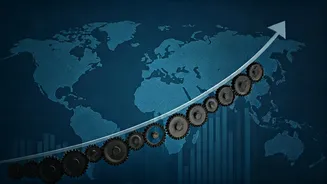
is supported by a confluence of favorable conditions and a strategic vision for growth. The core of this narrative centers around substantial internal market expansion, fueled by increasing purchasing power and a burgeoning middle class. India's digital transformation, bolstered by widespread internet access and the adoption of digital technologies in business and governance, is also a critical driver. Investments in infrastructure, including roads, ports, and energy networks, are poised to improve efficiency and attract foreign investment. The nation's focus on manufacturing, as outlined in policies like "Make in India", is designed to boost production capacity and global competitiveness, strengthening its export capabilities. These combined elements highlight the comprehensive strategy designed to elevate India's economic status, placing it on a path for rapid expansion.
Growth Drivers Examined
Multiple factors converge to underpin India's anticipated economic surge. A massive workforce, coupled with relatively low labor costs, furnishes a substantial competitive advantage in the global market. Furthermore, India’s demographic dividend, represented by a youthful population, translates into greater productivity and entrepreneurial vigor. The government's economic reforms, including deregulation and improved ease of doing business, have enhanced investor confidence. Ongoing digitization efforts, covering sectors from finance to retail, increase efficiency and improve market reach. Increased investments in infrastructure are critical for fostering economic growth. Strategic partnerships with foreign countries, along with free trade agreements, offer new avenues for trade and investment. The robust growth in key sectors like manufacturing, services, and technology are also very important. All of these factors combined reveal the dynamism and forward momentum powering India's economic aspirations and laying the groundwork for achieving the ambitious goal of becoming a top global economy.
Navigating Challenges Ahead
Despite optimistic forecasts, India faces significant hurdles in its quest to become a top economic power. Persistent challenges include infrastructural gaps, such as inadequate transportation and energy networks, which can impede economic activity and hinder operational efficiency. Moreover, the creation of sufficient employment opportunities to match the growing workforce remains a pressing concern. Addressing social and economic inequality will require inclusive policies to ensure the benefits of growth are shared widely. Furthermore, bureaucratic red tape and regulatory complexities must be streamlined to make the business environment more favorable for investments and enterprise. The country must also mitigate the impact of climate change through sustainable practices. External factors, such as global economic slowdowns or geopolitical uncertainties, pose additional risks to India's economic trajectory. Successfully navigating these challenges requires sustained policy reform, strategic investments, and a concerted effort to foster an environment conducive to sustained, inclusive, and sustainable economic progress, paving the way for achieving its economic goals.
Future Outlook and Prospects
The journey for India to become the world’s third-largest economy by 2026 is filled with both exciting prospects and tough challenges. Success relies on a steadfast commitment to reforms, strategic infrastructure investments, and a keen focus on digital transformation to drive growth. A proactive approach towards mitigating risks and managing global economic uncertainties will be vital. The country’s ability to harness its demographic advantages, along with the growth of its domestic markets, will play a huge role in its economic ascent. India's economic success story also hinges on its ability to forge robust international partnerships to boost trade and attract investments. The WEF discussions underscore the need for a collaborative approach involving governments, businesses, and civil society, all working together to create a brighter future. By focusing on these elements and demonstrating agility and resilience, India has the potential to realize its economic ambitions and establish itself as a global economic leader.