





Quinoa: The Basics
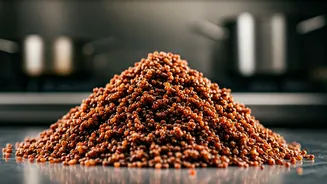
Quinoa, a grain-like seed, has gained immense popularity for its nutritional value. Its appeal lies in its high protein content, making it a favorite among
vegetarians and vegans. The focus of this analysis will be on how quinoa can be consumed raw or cooked. The gastroenterologist, boasting a triple-threat education at AIIMS, Harvard, and Stanford, will present a clear and informed perspective on how quinoa is best enjoyed. It is important to know that quinoa is often considered a whole grain and is versatile, adaptable to many dishes, allowing it to be integrated into diverse cuisines around the globe.
Protein Content Explained
The gastroenterologist is set to shed light on quinoa's protein content. Unlike many other plant-based foods, quinoa is a complete protein, meaning it contains all nine essential amino acids that the human body cannot produce on its own. This feature makes quinoa a valuable dietary option for building and repairing tissues. The expert is expected to outline the exact protein levels in a typical serving of quinoa, comparing them with other protein sources. The focus is to aid readers in assessing quinoa's suitability as a protein source relative to their individual dietary needs and preferences, offering a well-rounded and easily understood explanation.
Raw Quinoa Consumption
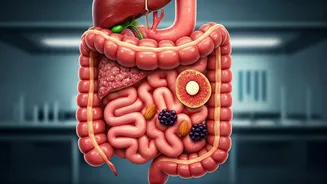
A significant section of the discussion involves the safety of eating quinoa raw. The gastroenterologist will offer insights into the potential risks associated with raw quinoa consumption, such as the presence of saponins. These naturally occurring compounds can cause digestive issues in some individuals. The expert is likely to detail the proper preparation methods, like rinsing quinoa thoroughly to remove saponins. The analysis is expected to provide recommendations on whether raw quinoa is safe for consumption and how to minimize any associated risks, thus guaranteeing readers receive comprehensive guidance regarding this aspect.
Nutritional Highlights of Quinoa
Beyond protein, the article delves into quinoa's broader nutritional profile. The expert will highlight the presence of other key nutrients like fiber, iron, and magnesium. Fiber aids in digestion and promotes a feeling of fullness. Iron is crucial for carrying oxygen throughout the body, while magnesium supports various bodily functions. The gastroenterologist will articulate the ways in which these nutrients contribute to the overall health benefits of quinoa. The nutritional breakdown will offer insights into how quinoa supports various health goals, from weight management to improved overall wellness.
Quinoa Preparation Methods
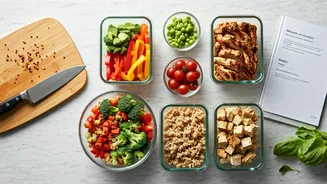
The expert will also review various methods for preparing quinoa, from cooking to incorporating it into salads, side dishes, and main courses. The article should guide readers on preparing quinoa to maximize its nutritional value and palatability. Tips will be provided on how to cook quinoa perfectly— achieving the right texture and taste. This section will include recommendations on how to integrate quinoa into various meals, illustrating the grain's adaptability. The ultimate objective is to encourage readers to enjoy quinoa as a versatile and beneficial food item by providing practical preparation advice and meal ideas.
Expert’s Final Verdict
Concluding the article, the gastroenterologist will provide a summary of the key findings. This conclusion is expected to provide a definitive answer to the question: Is quinoa a good source of protein, and can it be eaten raw? The expert’s final verdict will consider factors such as nutritional benefits, risks, and recommended preparation methods. The audience will gain a clear, evidence-based understanding of how quinoa can be incorporated into a balanced diet, offering a confident recommendation on quinoa consumption based on expert knowledge and advice.