


The Humble Onion's Transformation
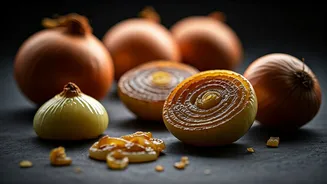
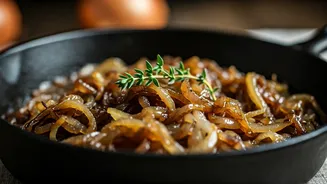
Beyond their sharp, pungent raw state, onions undergo a remarkable metamorphosis through slow cooking, yielding deeply sweet and savory caramelised onions.
This process, often taking around an hour of gentle heat, is driven by the Maillard reaction and sugar caramelization. As onions cook down, their sharp sulfur compounds break down into aromatic molecules, creating a jammy texture and an intensely rich flavor profile, a far cry from their initial bite. While some quick-fix recipes exist, achieving true caramelization requires patience, a low heat, and a good pan, rewarding the cook with a versatile flavor base that can elevate countless dishes. The Indian culinary landscape has long appreciated this transformation, using browned onions, known as 'beresta,' as a foundational element in iconic dishes like biryani and korma, demonstrating a shared global understanding of this cooking magic.
Mastering the Caramelization Process
Creating a jar of these flavourful onions is a straightforward yet patient endeavor, yielding a versatile condiment that lasts for weeks. You'll need about 1 kg of yellow or brown onions, thinly and uniformly sliced, along with 3 tablespoons of ghee, butter, or a neutral oil for cooking. A generous pinch of salt is added early to help draw out moisture and soften the onions, while a teaspoon of sugar, though optional, can accelerate the caramelization process. For a touch of brightness at the end, a tablespoon of balsamic or apple cider vinegar can be incorporated. The key is to cook the onions in a wide, heavy-bottomed pan over medium heat, allowing them to release their moisture and gradually brown. After an initial softening, the heat is reduced to medium-low, and the onions are stirred periodically for another 30 to 40 minutes until they achieve a deep, reddish-brown hue. Adding sugar in the final 10 minutes and vinegar in the last few minutes ensures optimal flavour development and balance. Once cooled, they can be stored in an airtight jar in the refrigerator for up to two weeks or frozen for longer preservation.
Indian Kitchen Wonders
Caramelized onions are a true flavour multiplier in Indian cuisine, lending depth and sweetness to a multitude of dishes. In biryanis and pulaos, stirring in two to three tablespoons during the layering stage imparts the rich, slow-cooked flavour traditionally achieved with beresta, significantly reducing preparation time. They are also invaluable for enhancing the flavour base of any curry or sabzi; a single tablespoon added to an onion-tomato masala instantly elevates the dish, infusing it with an hour's worth of complex flavour in moments. This addition is particularly effective in creamy gravies like makhani or korma, as well as in hearty dishes such as rajma and chole. For egg dishes, a spoonful stirred into scrambled eggs right at the end transforms a simple anda bhurji into something extraordinary. Even dal benefits immensely; a tablespoon stirred in before tempering lends a satisfying body and sweetness, making any dal taste slow-cooked. Furthermore, mixing them with grated paneer or mashed aloo creates an exceptionally flavourful filling for parathas and stuffed breads, their sweetness beautifully
Global Culinary Delights
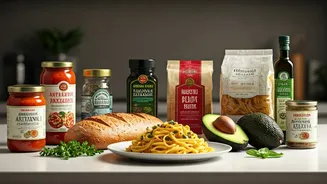
The versatility of caramelised onions extends far beyond Indian borders, offering delightful enhancements to a range of global dishes. They are perfect for elevating simple toast or sandwiches; spread generously under a fried egg or layered with cheese, perhaps grilled paneer, they create a simple yet incredibly satisfying meal. The classic French onion soup concept is effortlessly replicated by topping bread with these onions and melted cheese. For pizza lovers, caramelised onions can serve as a flavourful base, replacing or complementing traditional tomato sauce, and paired with toppings like olives, crumbled paneer, and herbs, they create an exceptional flavour profile. Pasta dishes are transformed in minutes by tossing drained pasta with caramelised onions, a splash of pasta water, cheese, and chilli flakes, yielding a meal that tastes like it took hours to prepare. Soups, whether vegetable or tomato-based, gain remarkable depth and restaurant-quality flavour when two tablespoons of caramelised onions are stirred in during cooking, allowing them to dissolve and enrich the broth. They are also an essential topping for burgers and kathi rolls, their sweetness providing a delightful contrast to spicy fillings and tangy chutneys, offering the quickest upgrade to street-food-style meals. Even as a standalone condiment, served alongside simple meals like dal-chawal, they offer a gentler, sweeter complexity than pickles, cutting through richness and adding a sophisticated touch.
Convenience and Lasting Flavor
The true brilliance of caramelised onions lies in their ability to concentrate an hour's worth of cooking effort into a readily available ingredient, revolutionizing weeknight meals. By preparing a large batch, the time investment is front-loaded, allowing for effortless flavour enhancement across numerous dishes over the subsequent two weeks. Keeping a jar of these golden gems in the refrigerator provides instant access to a sophisticated flavour component that would otherwise require significant time and attention. This convenience encourages more frequent home cooking, even when energy levels are low or time is scarce. For extended storage, portioning them into ice cube trays before freezing ensures easy retrieval of individual servings. Proper storage, ideally in a clean glass jar, optionally covered with a thin layer of oil to prolong freshness, and clearly labelled with the date, ensures they are ready for use. The rapid consumption of these onions is a testament to their undeniable impact, making the labelling more of a good kitchen practice than a necessity for monitoring their shelf life. Ultimately, this simple preparation is a gateway to consistently delicious meals, proving that a small spoonful of caramelised onion can indeed make a surprisingly significant difference.