







Choose Your Bin
Selecting the right compost bin is the first step towards successful composting. There are various types available, from simple wire mesh bins to more
elaborate, enclosed systems. For beginners, a simple, accessible bin is often best. Consider the space you have available and the amount of waste you generate when making your choice. A well-chosen bin will help contain the compost, control odors, and encourage the breakdown of organic materials.
Mix and Wait
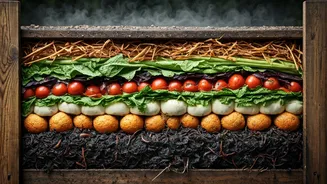
Composting isn't just about throwing things into a bin; it's a process of careful layering and mixing. The ideal compost pile contains a balance of 'greens' (wet materials like food scraps and grass clippings) and 'browns' (dry materials like leaves and shredded paper). Regularly turn the compost pile to aerate it, which speeds up decomposition. This process takes time, often several months, but the result is a rich, dark compost that will enrich your garden.
Start Small
Don't feel overwhelmed if you're new to composting. You can start small, using a container in your kitchen or a small bin in your backyard. Begin with just a few kitchen scraps each day. You'll quickly see how even a small amount of composting can reduce your waste and benefit your garden. As you gain experience, you can gradually increase the scale of your composting efforts.
Wet and Dry Balance
Maintaining the right balance of wet and dry materials is crucial for effective composting. 'Greens' (wet materials) provide nitrogen, while 'browns' (dry materials) provide carbon. A good ratio is approximately two to three parts brown to one part green. If your compost pile is too wet, it can become anaerobic (lacking oxygen) and produce unpleasant odors. If it's too dry, the decomposition process will slow down significantly. Adjust the balance as needed, adding more browns if the pile is too wet, and adding water if it's too dry.
Keep it Moist
The compost pile should be moist, but not soaking wet. Think of it like a wrung-out sponge. Moisture is essential for the microorganisms that break down organic matter. If the compost is too dry, these microorganisms won't be able to do their work efficiently. Regularly check the moisture level of your compost pile and add water if necessary, especially during dry periods. Covering the compost bin can also help retain moisture.
Waste Separation
Proper waste separation is fundamental to the composting process. 'Greens' include food scraps (vegetable and fruit peels, coffee grounds), grass clippings, and fresh plant trimmings. 'Browns' include leaves, twigs, shredded paper, and cardboard. Avoid adding meat, dairy products, oily foods, and diseased plants, as these can attract pests or slow down the decomposition. Separating your waste correctly ensures a healthy compost pile and a better end product.