




What is DHT?
Dihydrotestosterone, or DHT, is a potent hormone naturally produced by the body, derived from testosterone. While it plays a crucial role in male development
and other bodily functions, its overactivity can lead to a specific type of hair loss. For both men and women, the sensitivity of hair follicles to DHT is often inherited, meaning a family history of thinning hair or baldness significantly increases the likelihood of experiencing this condition. It's not about external factors like hair products but rather an internal hormonal sensitivity that impacts hair growth cycles.
How DHT Affects Follicles
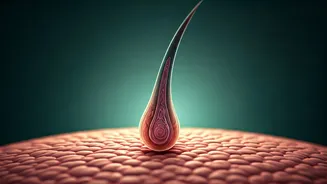
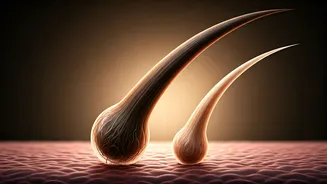
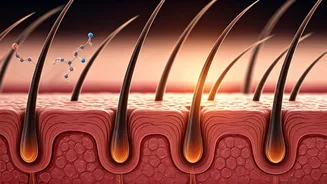
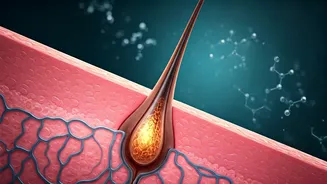
When DHT binds to hair follicles, it initiates a gradual shrinking process. This isn't an overnight phenomenon but a slow degradation of the follicle's ability to produce healthy hair. Initially, hair strands become finer with each subsequent growth cycle. The period of active hair growth shortens, while the resting phase extends. Over time, this process can lead to the follicle ceasing hair production altogether, resulting in noticeable thinning or bald patches. This gradual deterioration is the hallmark of DHT-related hair loss, distinguishing it from sudden shedding events.
Telltale Signs of DHT Loss
Identifying DHT hair loss involves observing specific patterns rather than just increased shedding. A key indicator is gradual thinning, which progresses slowly over months or years, rather than abrupt loss. In men, a receding hairline, often forming an "M" shape starting at the temples, is a classic sign. Women typically experience thinning at the crown or a widening of their hair parting, with their ponytails feeling less voluminous. Another crucial sign is a noticeable change in hair texture; thick hair may become finer and more wispy. A family history of hair loss further strengthens the possibility of this condition.
DHT vs. Normal Hair Fall
It's vital to distinguish DHT hair loss from everyday hair shedding. Losing 50 to 100 strands daily is considered normal and is often temporary, caused by factors like stress, diet, or hormonal fluctuations, with hair typically regrowing. In contrast, DHT hair loss is progressive and patterned. It doesn't bounce back easily and is characterized by miniaturizing follicles. If your hair isn't regaining its thickness or density after shedding, and you notice specific areas of thinning rather than an even distribution of hair loss, it's more likely to be DHT-related.
Determining Your Risk
While anyone can experience hair thinning, certain factors increase the likelihood of DHT hair loss. A strong family history of baldness or thinning hair is a primary indicator, suggesting a genetic predisposition to DHT sensitivity. This condition often begins to manifest in individuals in their late twenties or thirties, though it can appear earlier. Hormonal imbalances, including conditions like PCOS in women, can also contribute. It's important to remember that female pattern hair loss, driven by DHT, is a recognized condition and presents with its own unique patterns of thinning.
Assessing and Managing DHT
There isn't a simple home test to definitively confirm DHT hair loss, but observing patterns can provide strong clues. Look for gradual thinning in specific areas like the hairline or crown, a progressive worsening over time, and a noticeable decrease in hair strand thickness. Consulting a dermatologist is the most reliable step; they can examine your scalp, potentially use dermoscopy for a closer look at follicles, and recommend blood tests if necessary. While DHT cannot be eliminated, its effects can be managed through strategies like DHT-blocking treatments, topical therapies to stimulate growth, and lifestyle adjustments such as a balanced diet and stress management. Early intervention is key to slowing progression.