





Biryani's Heartfelt Place
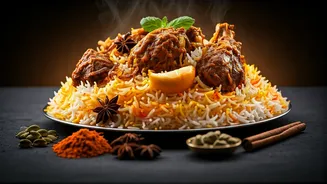
Biryani is far more than mere sustenance in India; it represents a joyous occasion, a culinary masterpiece that graces family gatherings, festive spreads,
and even solitary moments of indulgence. The very essence of its existence is tied to the intoxicating aroma that permeates homes during its preparation. In a nation where culinary traditions diverge significantly from one household and region to another, biryani often becomes a focal point for passionate discussions. Questions about its ideal spiciness, whether it should be slow-cooked using the 'dum' method or prepared in a pressure cooker, are common. Yet, despite these varied perspectives, an unwavering affection for this layered delight of rice, meat, and aromatic spices unites people across the board.
The Simplicity Revolution
For those new to the art of biryani making, attempting to replicate that perfect restaurant-quality dish at home can often feel like an overwhelming challenge. Many resort to an excessive layering of various spices, hoping to achieve a robust flavor, only to end up with a culinary compromise that lacks clarity. However, a compelling idea is gaining traction: what if the path to biryani perfection lies not in accumulation, but in judicious reduction? This notion is currently creating quite a stir, originating from Hyderabad, and it suggests that profound simplicity might just be the most effective strategy. This isn't a theoretical concept proposed by a gourmet chef; rather, it stems from the practical wisdom of a wedding cook who has honed their skills by preparing this beloved dish for hundreds of guests.
The Viral Four Spices
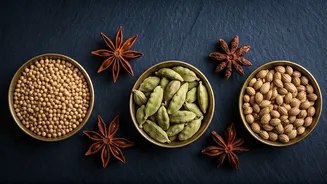
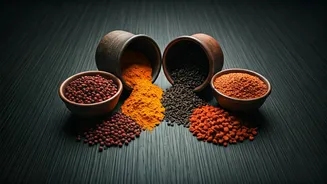
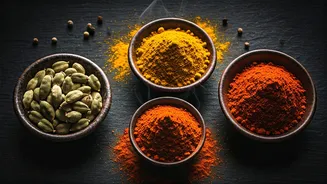
A seasoned cook from Hyderabad has recently shared a groundbreaking insight into crafting the quintessential biryani, a revelation that has captured widespread attention. In a brief video interaction with Chef Velton Saldanha, shared on Instagram, the cook disclosed that achieving an exceptional biryani relies fundamentally on the inclusion of just four carefully selected spices. According to Chef Saldanha, these four everyday ingredients, when combined with the essential elements of rice, meat, ghee, and other basic staples, form the bedrock of this delicious dish. The identified secret ingredients are Daalchini (cinnamon), Laung (cloves), Shahi jeera (black cumin), and Hari elaichi (green cardamom). This distilled approach challenges conventional wisdom and highlights the power of minimal yet impactful flavor components.
Why Just Four?
The strategic decision to limit the spice repertoire to these four specific ingredients stems from a desire to prevent flavor clashes and achieve a harmonious taste profile. An overabundance of spices can often lead to a 'confused flavor,' where individual tastes become muddled rather than distinct. By adhering to this minimalist approach, the inherent qualities of the meat and rice are allowed to ascend, beautifully complemented by the richness of ghee and other aromatics. Cinnamon introduces a warm, sweet undertone, cloves contribute a robust, earthy punch, shahi jeera offers a subtle nutty smokiness, and green cardamom imparts a refreshing, fragrant note. Collectively, these spices harmonize without overpowering the primary components. In her widely shared video, the cook explicitly dismissed the necessity of additional ingredients to attain the true essence of Hyderabadi biryani, emphasizing that traditional wedding biryanis, slow-cooked in large vessels over wood fires, owe their deep, smoky layers and comforting flavors to this very restraint.
Regional Nuances and Home Cooking
Chef Saldanha aptly captioned his Instagram post with 'Don't shoot the messenger,' acknowledging the potential for controversy and the diverse opinions surrounding biryani preparation. The ensuing social media dialogue saw reactions ranging from enthusiastic approval of this simplified method to spirited debates on regional specialties, such as the inclusion of potatoes in Kolkata biryani or the distinctive tartness found in Lucknow's version. The Hyderabadi style itself is deeply rooted in Mughlai culinary traditions, placing significant emphasis on the 'dum' cooking technique, which allows flavors to meld gradually and develop profound depth. For home cooks inspired by this revelation, the takeaway is clear: steer clear of pre-made biryani masala packets and embrace the fundamental elements. Mastering this technique means understanding how a few select spices can unlock authentic regional flavors without unnecessary complexity.