







ECMS Scheme Boost
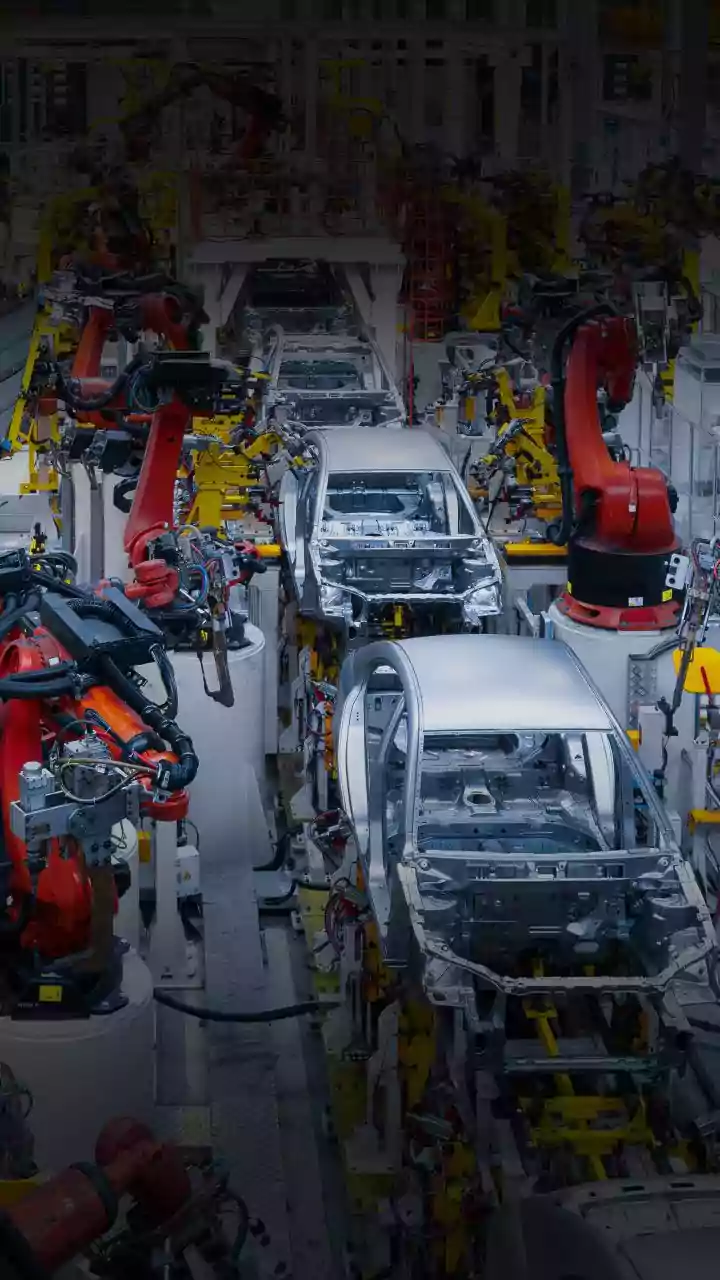
The Electronics Components Manufacturing Scheme (ECMS) is set to receive a substantial boost. In the Budget 2026, the outlay for ECMS was expanded, reaching
a total of Rs 40,000 crore. This significant investment demonstrates the government's commitment to strengthening the domestic electronics manufacturing sector. This scheme will likely assist in the expansion of electronics components manufacturing capacity, which is anticipated to enhance local production and reduce reliance on imports. This financial commitment signals a proactive move toward becoming self-reliant in electronics and associated technological infrastructure.
AI and Farmers
Budget 2026 also spotlighted a new multilingual AI tool aimed at benefiting farmers. The precise details of this AI tool were not fully disclosed. However, its development suggests an emphasis on harnessing AI's capabilities to support and modernize India's agricultural sector. This initiative potentially aims to offer farmers essential information and assistance across various regional languages, making technology more accessible and helpful for a wider demographic. The utilization of AI in agriculture has the potential to enhance productivity, optimize resource management, and facilitate informed decision-making among farmers.
Cloud Services Incentives
A significant policy decision from the Budget 2026 was the tax holiday granted to cloud services companies. This incentive extends until 2047, indicating a long-term commitment to fostering the growth of the cloud computing sector. Cloud services are crucial for businesses and individuals, serving as the backbone for data storage, software applications, and IT infrastructure. The tax holiday aims to attract investments, boost innovation, and improve the competitiveness of cloud service providers within India. This strategy could also lower operating costs for tech companies, accelerating the digital transformation across industries.
Content Creator Labs
Budget 2026 introduced content creator labs to educational institutions, specifically schools and colleges. This move acknowledges the growing significance of digital content creation and seeks to equip students with necessary skills. The introduction of these labs will enable students to gain hands-on experience in content creation, which could be in various forms like video, audio, or written materials. This initiative aims to foster creativity and prepare students for careers within the digital economy. These labs will likely provide necessary equipment and training to encourage creativity and equip young people with modern skills, aligning education with industry trends.
Semiconductor Mission 2.0
The government is also investing in the semiconductor industry via Semiconductor Mission 2.0. Budget 2026 designated a Rs 8,000-crore outlay to this mission, indicating a concentrated effort to advance the domestic semiconductor manufacturing ecosystem. Semiconductors are essential components in a variety of electronic devices, from smartphones to vehicles. The investment in Semiconductor Mission 2.0 aims to improve local semiconductor production capabilities, minimize dependence on imports, and establish India as a major player in the global semiconductor value chain. It will most likely support research, development, and manufacturing initiatives within the sector.
Rare Earth Corridors
Another key component of the tech and AI initiatives announced in Budget 2026 is the establishment of rare earth corridors across different states. These corridors are planned for Odisha, Kerala, Tamil Nadu, and Andhra Pradesh. Rare earth elements are essential in manufacturing several modern technologies, including electronics. These corridors will help in the extraction and processing of rare earth materials. This focus showcases a strategic push to secure essential resources for the technology sector, enabling technological independence and supporting domestic manufacturing capabilities.