




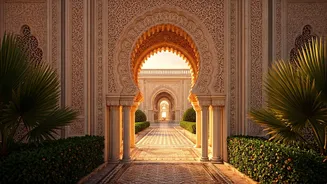


Grand Residences Unveiled
India's royal palaces stand as enduring testaments to its regal heritage, narrating tales of power, artistic mastery, and profound cultural richness across
centuries. These magnificent structures, ranging from formidable Rajput fortifications to exceptionally ornate princely abodes, offer an intimate window into the lives of India's maharajas and the architectural innovations of their respective epochs. Each palace is a unique chronicle, a fusion of history, art, and the lives of those who once called them home. From the Rajput strongholds that bore witness to historical battles to the lavish estates that symbolized peace and prosperity, these edifices are more than just buildings; they are living museums that continue to captivate with their stories and splendor.
Udaipur's Lakeside Jewel
Overlooking the tranquil expanse of Lake Pichola, the City Palace in Udaipur emerges as one of Rajasthan's most expansive royal complexes. Its construction spanned nearly four centuries, a testament to the enduring vision of the Mewar rulers. This sprawling estate is a symphony of intricate courtyards, opulent museums, and charming balconies, all framed by breathtaking panoramas of the lake. Wandering through its corridors offers a vivid impression of regal life, with each chamber and terrace seemingly whispering tales of valor and artistic refinement. The palace complex is not merely a collection of buildings but a holistic experience that immerses visitors in the grandeur of a bygone era, showcasing meticulous craftsmanship and a profound connection with its natural surroundings.
Hyderabad's Scorpion Palace
Perched majestically atop a hill with commanding views over Hyderabad, Falaknuma Palace was once the esteemed residence of the Nizam. Its distinctive design, famously inspired by a scorpion, is a visual marvel. Within its walls lies a treasure trove of rarities, including an impressive collection of rare manuscripts, dazzling chandeliers that illuminate grand halls, and what is renowned as one of the world's longest dining tables. This palace is a profound embodiment of the extravagant lifestyle and refined tastes of the Nizams, offering a glimpse into an era of unparalleled luxury and cultural patronage. Its architecture and contents speak volumes about the wealth and sophistication that defined the Nizams' reign, making it a truly unforgettable destination.
Jai Vilas' European Flair
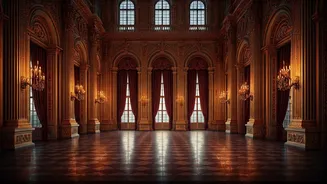
Jai Vilas Palace presents a captivating fusion of European architectural styles, standing as a remarkable example of syncretic design. It is particularly acclaimed for its magnificent Durbar Hall, which boasts some of the largest chandeliers ever created, casting an awe-inspiring glow. The adjacent palace museum provides an in-depth exploration of the opulent lifestyle of the Scindia royal family, showcasing artifacts and interiors that reflect their grandeur. This palace offers a unique perspective on how Western architectural influences were harmoniously integrated into Indian royal residences, creating a distinctive and luxurious aesthetic. The sheer scale and intricacy of its design, especially within the Durbar Hall, leave visitors with a profound sense of wonder and admiration for the Scindias' taste.
Baroda's Grand Estate
Four times the immense size of Buckingham Palace, Laxmi Vilas Palace is the spectacular former residence of the Gaekwad dynasty. Its interiors are a testament to sheer opulence, adorned with influences from European design principles and set amidst sprawling, meticulously maintained gardens. This palatial estate stands as a powerful symbol of the immense wealth and influence wielded by the rulers of Baroda. The grandeur of its architecture and the lavishness of its furnishings reflect a period of immense prosperity and a penchant for extravagant living. Visitors are often struck by the sheer scale and artistic detail that permeates every aspect of the palace, from its imposing facade to its richly decorated rooms.
Mysore's Illuminated Splendor
The grand seat of the Wadiyar dynasty, Mysore Palace, is celebrated for its distinctive Indo-Saracenic architectural style. The palace is characterized by its magnificent stained glass ceilings and exquisitely decorated halls, which together create an atmosphere of regal splendor. Its allure intensifies dramatically during the Dasara festival when the entire structure is illuminated, transforming it into a truly magical spectacle. This transformation highlights the palace's significance not just as a historical monument but as a vibrant center for cultural celebrations. The interplay of light and architecture during these festivities offers a unique and unforgettable experience for all who witness it, showcasing the palace's enduring connection to tradition.
Umaid Bhawan's Dual Role
Recognized as one of the world's most expansive private residences, Umaid Bhawan Palace was commissioned in the 20th century, with a significant purpose: to provide employment during a period of famine. Today, this colossal structure gracefully balances its roles. A portion remains a cherished royal home for the descendants of the Maharaja, while other sections have been repurposed. One part serves as a captivating museum, preserving historical artifacts and stories, and another operates as a luxurious hotel, offering guests a taste of royal hospitality. This unique arrangement ensures the palace's continued relevance and preservation, allowing diverse groups to experience its grandeur and historical importance.