






Unveiling the Treatment
In the relentless pursuit of effective therapies for formidable diseases, a beacon of hope is emerging for one of the deadliest cancers known to humanity.
Researchers are actively exploring a novel treatment modality that shows considerable promise in preclinical studies. This innovative approach targets the fundamental mechanisms driving the cancer's aggressive progression, aiming to disrupt its growth and spread in ways previously unachievable. The development signifies a crucial step forward, potentially offering a new avenue for patients with limited options. The scientific community is closely monitoring these advancements, eager to translate laboratory success into tangible benefits for those battling this challenging illness. Early indications suggest a potential to significantly impact survival rates and improve the quality of life for affected individuals, marking a pivotal moment in oncological research.
Targeting Cancer's Core
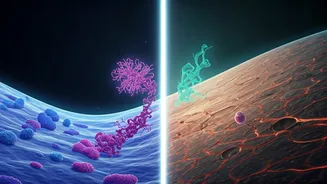
At the heart of this developing treatment lies a sophisticated understanding of the biological vulnerabilities inherent in this specific deadly cancer. Instead of broad-spectrum attacks, the new approach is meticulously designed to pinpoint and neutralize the critical pathways that fuel the malignancy. This precision medicine strategy is revolutionary, moving away from more generalized treatments that often come with debilitating side effects. By focusing on the unique genetic and molecular signatures of the cancer cells, the treatment aims to be both more effective and less toxic. This granular focus allows for a more targeted eradication of cancerous tissue while minimizing harm to healthy cells, a long-sought goal in cancer therapy. The research is a testament to the power of dedicated scientific inquiry and the continuous quest to unravel the complexities of disease.
Future Prospects Brighten
While still in its developmental stages, the potential implications of this treatment breakthrough are profound. The successful translation of this research from the laboratory to clinical application could dramatically alter the landscape of cancer care, offering renewed optimism for patients and their families. Further investigation and rigorous clinical trials are essential to validate these early findings and ensure safety and efficacy in human subjects. However, the current trajectory suggests a promising future where this innovative therapy could become a standard of care, improving prognoses for a disease that has historically presented immense challenges. The scientific endeavor continues, driven by the ultimate goal of conquering this devastating illness and extending lives.