





Extended Sitting Posture
Many of us spend considerable hours seated, often with poor posture, which can silently harm our spines. This prolonged inactivity, coupled with inadequate
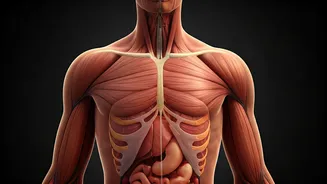
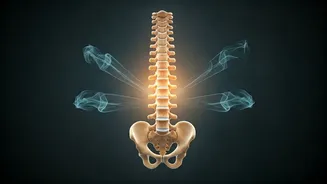
ergonomic setups, places continuous strain on the lower back. Over time, this can lead to muscle fatigue, weakened core support, and even premature wear and tear of spinal discs. The consequences manifest as early mechanical back pain and a reduced ability of the core muscles to stabilize the spine effectively. This habit, prevalent in modern work environments, is a significant contributor to discomfort that might not be immediately apparent but can have lasting effects on spinal integrity and function, leading to a higher likelihood of experiencing recurrent aches and pains.
Inactivity's Spine Toll
A lack of consistent physical movement can significantly alter spinal mechanics and overall health. When the body remains sedentary for extended periods, the muscles responsible for supporting the back gradually lose strength and resilience. This decline in muscle tone means that even routine daily activities can begin to feel strenuous and uncomfortable. Dr. Mody highlights this as a frequently underestimated factor in younger adults experiencing back pain. The implications of a sedentary lifestyle include persistent discomfort during physical exertion and an increased vulnerability to minor injuries, as the spine's supporting structures are not adequately conditioned to handle everyday demands.
Exercise Form Mistakes
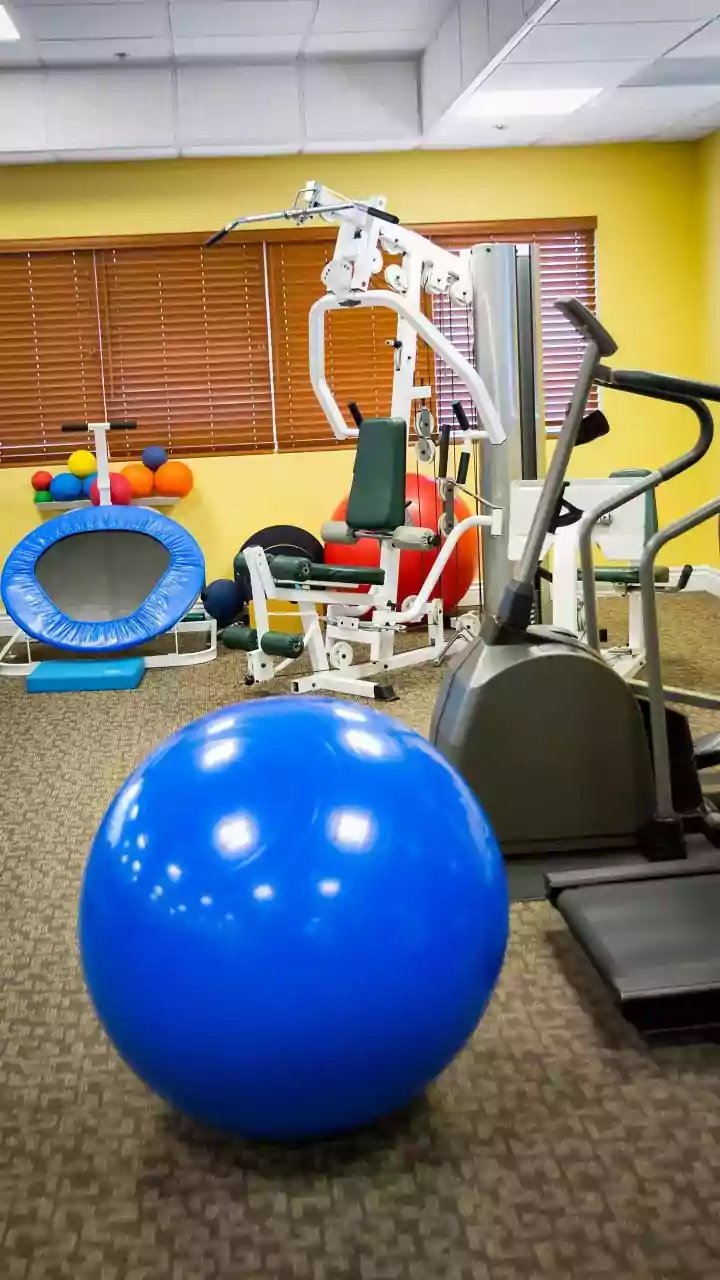
The burgeoning popularity of fitness culture has unfortunately not always been matched by an increase in proper guidance. Many young individuals engage in weight training without mastering correct techniques or seeking professional supervision. This can inadvertently subject the spine to undue stress and pressure. Incorrect lifting or movement patterns during exercise can overload the back, leading to acute muscle strains, ligamentous injuries, and in more severe instances, complications related to spinal discs. Dr. Mody observes this as a growing concern, emphasizing that improper exercise form is a preventable cause of significant spinal trauma in younger demographics.
Weight Gain Impact
Accumulating excess weight, especially around the abdomen, disrupts the body's natural balance and introduces additional strain on the lower back. This altered biomechanical alignment can result in chronic discomfort and structural stress over time. It's not merely an aesthetic concern; excess body mass directly increases the load on the spine, potentially accelerating degenerative changes. Dr. Mody points out that this increased pressure contributes to a faster rate of wear and tear on spinal structures, leading to persistent lower back pain and a more rapid progression of age-related spinal degeneration than might otherwise occur.
Stress and Sleep Link
The intricate relationship between mental well-being and physical health, particularly spinal health, is often overlooked. Chronic stress can elevate muscle tension throughout the body, including the back. Concurrently, insufficient or poor-quality sleep impairs the body's natural recovery processes, making it less capable of recuperating from daily physical demands. This combination can foster a persistent cycle of discomfort and pain. Many individuals report back pain that doesn't align with clear findings on diagnostic imaging, suggesting that stress and sleep disturbances are frequently the underlying culprits for non-specific but ongoing back issues.