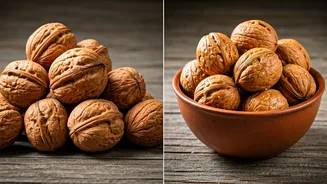






The Humble Walnut
Walnuts are widely recognized as a nutritional powerhouse, packed with beneficial omega-3 fatty acids, essential proteins, dietary fiber, and vital minerals.
These components contribute significantly to maintaining brain health, reducing inflammation throughout the body, and supporting overall cardiovascular well-being. Beyond these core advantages, walnuts also provide vitamin E and minerals like magnesium and zinc, further bolstering their reputation as a superfood. However, to truly reap the full spectrum of advantages this natural gift offers, understanding the most effective way to consume them is crucial. The preparation method, specifically whether walnuts are soaked or unsoaked, can subtly alter their nutritional profile and how our bodies process them. Let's delve into how these different preparation techniques influence the health benefits and digestibility of walnuts, guiding us toward making the most informed choice for our dietary needs.
Unsoaked Walnuts: Convenience and Shelf Life
Opting for unsoaked walnuts means embracing a straightforward and traditional method of consumption that prioritizes ease of use and longevity. These nuts are ready to eat straight from the packaging, making them an incredibly convenient snack for those with busy lifestyles. Their dry nature also ensures a significantly longer shelf life compared to their soaked counterparts, reducing the need for frequent purchases or careful storage. However, this conventional form of walnut consumption may present a drawback for some individuals. Unsoaked walnuts naturally contain compounds like tannins and phytic acid. These naturally occurring elements, while having some potential benefits, can sometimes create digestive discomfort for sensitive individuals and might marginally impede the absorption of certain minerals. For those who don't experience digestive issues, dry walnuts remain an excellent and readily available source of their inherent nutrients.
Soaked Walnuts: Enhanced Digestibility
The practice of soaking walnuts involves submerging them in water, typically overnight, before consumption. This preparation method is believed to significantly enhance their digestibility and the body's ability to absorb their nutrients. The soaking process works by neutralizing or reducing the levels of phytic acid and tannins, compounds that can sometimes interfere with nutrient uptake and cause digestive upset. Furthermore, soaking is thought to activate beneficial enzymes within the walnuts, which can further aid in the digestive process, making them gentler on the stomach. Beyond improved digestibility, soaked walnuts often develop a creamy texture, which many find appealing. The primary trade-offs for these benefits are the additional preparation time required and a noticeably shorter shelf life once soaked, necessitating prompt consumption due to increased moisture content.
Digestive Sensitivity
The decision between consuming walnuts soaked or unsoaked often comes down to individual digestive tolerance and personal convenience preferences. For individuals who frequently experience bloating, gas, or general discomfort after eating nuts, the soaked version might prove to be a more suitable choice. The reduction in phytic acid and tannins through soaking can make them easier to digest. On the other hand, those who prioritize speed and simplicity in their diet might find the ready-to-eat nature of unsoaked walnuts more appealing and practical for their daily routine. It's important to note that both preparation methods retain the fundamental nutritional benefits that walnuts offer. Soaking may offer an edge for those with particularly sensitive digestive systems or who are aiming to maximize nutrient absorption, while unsoaked walnuts remain a convenient and effective option for regular, hassle-free consumption.
Optimizing Nutrient Uptake
The difference in nutrient absorption between soaked and unsoaked walnuts is a key consideration for many health-conscious individuals. Soaking walnuts is thought to be particularly beneficial in reducing the presence of anti-nutrients, such as phytic acid, which can bind to minerals like iron, zinc, and calcium, thereby hindering their absorption by the body. By diminishing these compounds, soaking can potentially increase the bioavailability of these essential micronutrients. Unsoaked walnuts, in their natural state, offer their full spectrum of nutrients, but with potentially slightly less efficient absorption due to the presence of these natural inhibitors. Despite this difference, both forms of walnuts can be seamlessly integrated into a balanced diet, ensuring that individuals can still benefit from the wide array of health advantages walnuts provide, tailored to their personal dietary needs and preferences.
Which Method is Best?
Ultimately, the 'better' way to consume walnuts largely depends on individual circumstances and priorities. Dry, unsoaked walnuts are exceptionally versatile, making them an excellent choice for cooking, baking, or simply as a quick, on-the-go snack. Their firm texture holds up well in various culinary applications. Soaked walnuts, with their softer texture and enhanced digestibility, might be preferred by those seeking easier digestion or a creamier consistency, especially for consumption during the day or in preparations where a softer nut is desired. Rather than one method being inherently superior, the ideal approach hinges on personal tolerance, convenience, and specific dietary goals. Both methods allow you to harness the remarkable health benefits that walnuts offer.