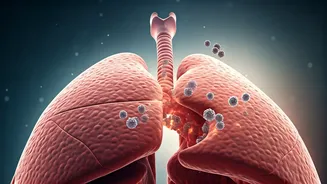







Heat's Toll on Health
The intensifying heatwaves in India pose a significant threat to health, moving beyond mere discomfort to become a matter of survival. When temperatures
skyrocket, the body is pushed to its limits trying to maintain a stable internal temperature, making it susceptible to a range of heat-related ailments. Conditions like heat exhaustion, where the body overheats and struggles to cool itself, and severe heat stroke, a life-threatening emergency, become increasingly prevalent. Dehydration is another common consequence, as the body loses vital fluids through excessive sweating. These illnesses place immense strain on the body's systems, highlighting the critical need for effective cooling strategies, especially for vulnerable populations such as the elderly, children, and individuals with pre-existing medical conditions like heart or lung issues. The pressure on vital organs escalates significantly under extreme heat, underscoring the importance of timely and appropriate temperature regulation for health and safety.
AC's Double-Edged Sword
Air conditioning offers immediate respite from sweltering heat, acting as a vital health and safety tool, particularly during extreme weather. By efficiently lowering ambient temperatures, AC units help safeguard individuals from heat exhaustion and support the body's natural thermoregulation. This is especially critical for those more susceptible to heat-related illnesses. However, over-reliance on ACs isn't without its drawbacks. Prolonged exposure to excessively cold environments can lead to dry skin, throat irritation, and discomfort due to sinus pressure. Furthermore, the low humidity often associated with air conditioning can exacerbate respiratory conditions like allergies and asthma. A significant concern also lies with AC maintenance; poorly cleaned units can become breeding grounds for dust, bacteria, and mould, deteriorating indoor air quality and potentially leading to infections and breathing problems. The stark contrast between scorching outdoor temperatures and artificially chilled indoor spaces can also shock the system, causing unnecessary physiological stress.
The Power of Nature
Embracing natural cooling techniques offers a gentler, more organic way for the body to adapt to high temperatures, promoting overall well-being without the harshness of artificial environments. Simple yet effective strategies like ensuring good cross-ventilation through open windows and using fans, whether ceiling or pedestal models, significantly enhance airflow and aid in cooling. Crucially, staying well-hydrated is paramount. Consuming ample water, refreshing tender coconut water, cooling buttermilk, and enjoying water-rich fruits and vegetables such as watermelon and cucumber are essential for maintaining internal temperature regulation. These natural methods not only help in cooling the body but also contribute to sustained energy levels and actively prevent dehydration. Moreover, promoting sweat evaporation through airflow is the body's intrinsic cooling mechanism, which is better supported by natural ventilation than by the drying effects of air conditioning. These accessible, cost-effective practices come with minimal to no negative side effects, making them a sustainable choice.
Harmonizing Cooling Efforts
While natural cooling methods are beneficial, they may not always provide sufficient protection during the most intense heatwaves. Experts suggest that relying solely on these techniques in extremely high temperatures might not be enough to ward off severe conditions like heat exhaustion or heat stroke. The most effective strategy for navigating extreme heat lies in a judicious combination of both air conditioning and natural cooling practices. To strike this balance, it's recommended to set air conditioners to a comfortable range, typically between 24–26°C, to ensure relief without overcooling the environment. It's also advisable to avoid directing the AC's airflow directly onto the body. Incorporating breaks between transitioning from hot outdoor environments to cooler indoor spaces can help the body acclimatize gradually. Regular maintenance and cleaning of AC filters are essential to ensure optimal air quality. Ultimately, the optimal approach involves integrating the critical, immediate relief provided by ACs with the sustainable, body-friendly benefits of natural cooling, fostering resilience against the escalating challenges of extreme heat.