






Fresh Produce Picks
Navigating the produce aisle can be straightforward for busy Indian families by prioritizing local and seasonal fruits and vegetables. Engaging with trusted
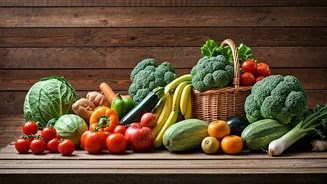
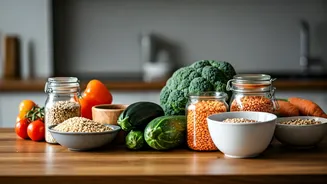
neighborhood vendors often guarantees fresher items that are less likely to be treated with excessive pesticides. For those considering an organic approach, focusing on produce known to retain more residues is a smart strategy. The 'dirty dozen' – including items like strawberries, spinach, apples, and tomatoes – are prime candidates for organic purchase if your budget allows. Conversely, the 'clean fifteen', such as avocados, papayas, onions, and mangoes, are generally considered safe to buy non-organic. A simple yet effective tip for all non-organic produce is to wash it thoroughly in warm water with a quarter teaspoon of baking soda for about fifteen minutes; this method aids in removing a significant amount of surface contaminants, offering peace of mind for your family's meals.
Salt, Sugar & Spice
When it comes to seasoning, mindful consumption is key, especially for young children. For infants under one year old, a strict daily sodium intake of around 400 mg (approximately 1 gram of salt) is recommended, as they already receive adequate amounts from breastmilk or formula, making added salt unnecessary. Be vigilant about hidden sodium in processed foods like cheese and bread. For toddlers aged one to three, a small pinch of salt is permissible, capping daily intake at 800 mg of sodium. Children over four can consume up to 1200 mg of sodium daily. Opt for iodised sea salt or pink Himalayan salt for everyday use. Regarding sweeteners, it's advisable to avoid all added sugars, including refined sugar, jaggery, and coconut sugar, until after a child's second birthday. Maple syrup, honey, or dates can be used sparingly before the age of one. After two, limit added sugars to under 25 grams daily. Natural sugars found in whole fruits are always an excellent choice. When evaluating packaged goods, aim for products with no added sugar or a maximum of 2 grams per 100 grams. Jaggery offers a slightly better mineral profile than white sugar but should still be used in moderation as the body processes it similarly. For spices, storing them in glass containers is preferable to plastic for better preservation.
Oils, Dals & Grains
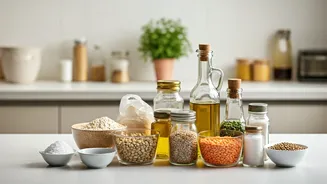
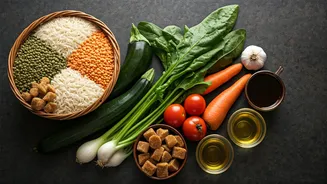
Choosing the right fats and staple foods significantly impacts your family's nutrition. For cooking oils and ghee, prioritize cold-pressed or traditionally prepared options. Extra-virgin olive oil, coconut oil, and traditional desi ghee are beneficial when used in moderation. Eggs, a complete protein source, should be sourced from reliable providers, and looking for organic certification, like the Jaivik Bharat mark, is a good practice. When selecting dals and beans, opting for local varieties typically ensures greater freshness and nutrient density. It's beneficial to rinse these thoroughly and soak them overnight before cooking, which aids in their digestibility, especially for sensitive young stomachs. For grains such as rice, wheat, ragi, and oats, buying locally can often yield better quality. Whole grains are particularly valuable for their sustained energy release and fiber content, making them superior choices over refined grains. The overarching principle is that while organic options are ideal if your budget permits, they are not essential. India's organic certification landscape is evolving, so trusting your local vendors and carefully reading product labels remains crucial. Remember that proper washing and cooking are fundamental for food safety, regardless of whether produce is organic.