







Cold Air's Impact
The onset of winter often brings with it the unwelcome guests of nasal congestion and increased susceptibility to infections. According to ENT specialists,
this is no coincidence but rather a direct consequence of how our nasal passages respond to the frigid air. The delicate lining of the nose, responsible for warming and humidifying the air we breathe, undergoes significant changes when exposed to cold temperatures. This transition can lead to a cascade of events that make us more vulnerable to both congestion and infections. Understanding these physiological responses is the first step toward safeguarding your health as temperatures begin to dip.
Nasal Passage Changes
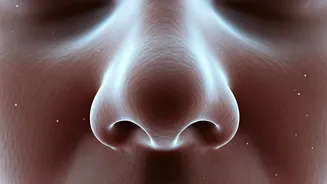
When cold air enters the nasal passages, the body instinctively attempts to counteract the temperature drop. Blood vessels in the nose constrict to conserve heat. This initial constriction is quickly followed by vasodilation, where the blood vessels expand to bring more blood flow and warmth to the area. This fluctuating action leads to inflammation, causing the nasal passages to swell, which in turn leads to congestion. Simultaneously, the production of mucus increases, attempting to trap and remove any irritants. The cold air also reduces the effectiveness of the cilia, tiny hair-like structures that line the nasal passages and work to move mucus and trapped particles to the back of the throat for swallowing. With the cilia less efficient, the body is left vulnerable to potential pathogens.
Increased Infection Risk
The compromised state of the nasal passages during winter significantly elevates the risk of infections. The combination of swelling, increased mucus production, and reduced ciliary function provides an ideal breeding ground for viruses and bacteria. The slowed mucus clearance allows pathogens more time to establish themselves and trigger an infection. Moreover, the cold air may also weaken the immune system, making individuals even more susceptible to illness. The environment also plays a role, as people tend to spend more time indoors, increasing the likelihood of exposure to airborne viruses. Consequently, the convergence of these factors creates a perfect storm for nasal congestion, colds, and even more serious respiratory infections during the winter months.
Defense Strategies
Fortunately, there are several effective strategies to mitigate the effects of cold air on nasal health. Staying hydrated is paramount, as adequate fluid intake helps thin mucus and promotes its efficient movement. Using a humidifier indoors adds moisture to the air, preventing the nasal passages from drying out and becoming irritated. Regular saline nasal sprays can also help to moisturize the nasal passages, clearing congestion and supporting the cilia's function. Inhaling steam, either from a humidifier or by taking a hot shower, provides immediate relief from congestion. Avoiding irritants like smoke and pollutants is also important, as they can exacerbate nasal inflammation. If symptoms persist, consulting a healthcare professional for diagnosis and treatment is always advisable, as they can recommend specific solutions based on the individual's needs.
Recognizing Early Signs
Being able to identify the early warning signs of nasal congestion and potential infections can prevent the severity of the illness. Persistent nasal stuffiness, excessive mucus production, sneezing, and a sore throat are common indicators. Experiencing these symptoms, it's wise to start employing preventative measures. Resting well, avoiding strenuous activities, and drinking plenty of fluids become essential. Using over-the-counter medications like decongestants, antihistamines, or pain relievers can relieve the symptoms. However, it's important to consult a doctor, especially if the symptoms worsen or persist for more than a few days, or if accompanied by fever, chest pain, or difficulty breathing, to rule out more serious infections and receive appropriate care.