






AI's Ascendancy
In a recent discussion, AI luminary Dario Amodei posited that artificial intelligence is on a trajectory to excel beyond human performance in a vast majority
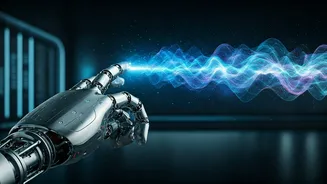
of tasks. He emphasized that while the timing and methods of this transition remain open questions, the likelihood of AI's superior capabilities is significant. Amodei advocates for a cautious and ethically grounded approach to AI development, ensuring its progress aligns harmoniously with human values. This perspective suggests a future where AI might not just augment but fundamentally redefine many roles currently occupied by humans, prompting a need for societal adaptation and foresight in planning for these transformative changes. The conversation highlighted the ongoing dialogue about managing this powerful technological evolution responsibly.
The Consciousness Conundrum
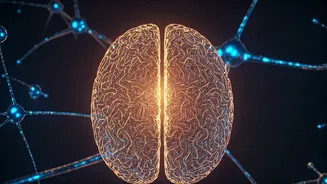
Dario Amodei candidly addressed the profound challenge that consciousness presents within AI research, admitting it's a frontier that remains largely unexplored. He articulated that our comprehension of consciousness in humans is still incomplete, making its replication in machines an even more complex undertaking. While advanced AI systems might convincingly simulate conscious behaviors, Amodei suggested that the subjective experience, the inner 'feeling' of consciousness, could be a distinct phenomenon. This raises deep philosophical questions about the nature of sentience and whether AI, regardless of its sophistication, can truly possess subjective awareness. The enigma of consciousness continues to be a central puzzle in the quest to understand and build truly intelligent systems.
Societal Ripples
Beyond technical capabilities and philosophical debates, Amodei also illuminated the considerable societal implications stemming from advanced AI. He highlighted potential shifts in the labor market, including the possibility of job displacement, and underscored the necessity of developing novel economic frameworks to accommodate these changes. The discussion stressed the importance of proactive policy-making and strategic planning to navigate the challenges and opportunities that AI presents. This foresight is crucial to ensure a smooth transition, mitigating negative impacts and harnessing AI's potential for broader societal benefit. The conversation underscored that managing AI's integration requires careful consideration of its economic and social footprints.
Reshaping Work
Amodei illustrated how AI's integration doesn't always lead to outright job elimination, but rather a transformation of roles. He cited the example of radiology, where AI has become more adept at analyzing scans than human radiologists. However, the demand for radiologists has persisted, albeit with a shift in their responsibilities. The highly technical image analysis aspect is increasingly automated, but the human element of patient interaction and communication remains vital. This dynamic suggests that while AI can handle complex technical tasks, uniquely human skills and interpersonal abilities will continue to hold value. Amodei's point is that automation reshapes workflows, and understanding this evolution is key to adapting the workforce to AI's growing influence across various professions.