







Master the Double Cleanse
When your hair is frequently laden with styling products like serums, oils, or sprays, a single wash often proves insufficient to achieve truly clean locks.
To effectively tackle this, adopt a double cleansing routine. The initial shampooing session is designed to break down and lift away accumulated oils and product residue. Following this, a second, gentler wash allows for a thorough yet tender massage of the scalp, ensuring it is completely cleansed. It’s crucial, however, to avoid aggressive scrubbing during either phase to prevent irritation and maintain the scalp's natural balance.
Incorporate Clarifying Shampoo
For those persistent buildup issues stemming from silicone-heavy products, excessive sebum production, or mineral deposits from hard water, a clarifying shampoo acts as a powerful solution. This specialized shampoo effectively strips away stubborn residues, restoring a clean slate for your scalp. However, its potency necessitates judicious use; it's recommended to employ it no more than once every two weeks. Overdoing it can strip the scalp of its beneficial natural oils, potentially leading to dryness and discomfort.
Begin Scalp Exfoliation
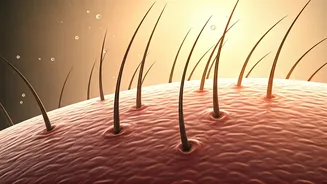
Just as facial skin benefits from regular exfoliation to shed dead cells, so too does your scalp. Over time, dead skin cells can accumulate, creating a barrier that may clog hair follicles and contribute to flakiness. Incorporating a gentle scalp exfoliation routine into your hair care regimen helps to dislodge these accumulated cells and remove any flaky skin, promoting a clearer, healthier environment for hair growth.
Perfect Your Scalp Massage
Scalp massage offers benefits far beyond mere relaxation; it actively stimulates blood circulation to the hair follicles, which is vital for healthy hair growth. When shampooing or conditioning, use the pads of your fingertips rather than your nails to apply gentle to medium pressure. Work in slow, circular motions for approximately five minutes. This practice not only aids in cleansing but also invigorates the scalp, potentially encouraging stronger, healthier hair.
Reassess Your Oiling Habits
In many Indian households, hair oiling is a deeply ingrained practice, often considered essential for hair health. However, it’s important to recognize that an excessive amount of oil can inadvertently trap dirt and create a favorable environment for yeast, contributing to scalp issues. The key is moderation: apply a light layer of oil, allow it to work for about an hour, and then thoroughly wash it out. This approach allows you to reap the benefits of oiling without the drawbacks of over-application.
Ensure Thorough Rinsing
Incomplete rinsing of shampoo or conditioner can be a common culprit behind an itchy scalp, particularly in areas like behind the ears, the nape of the neck, and the crown. Residue left behind can cause irritation and discomfort. To prevent this, dedicate at least 60 seconds to rinsing your hair thoroughly. Double-checking to ensure no product remains before you begin drying your hair is a crucial step towards a comfortable and healthy scalp.
Customize Washing Frequency
There isn't a universal hair washing schedule that suits everyone. The optimal frequency depends significantly on your scalp type. Individuals with an oily scalp might find it beneficial to wash their hair every one to two days. Conversely, those with a dry scalp will likely find washing their hair three times a week to be more than sufficient. People with a normal scalp type can also generally adhere to a thrice-weekly washing routine for maintaining scalp health.