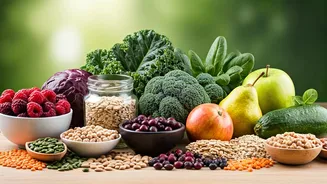








Fiber's Full Spectrum
Embarking on a high-fiber journey means more than just feeling full; it's about unlocking a cascade of health benefits. Fiber plays a crucial role in regulating
blood sugar levels, making it an invaluable ally for those managing insulin resistance. Its presence in meals slows down the absorption of glucose, preventing sharp spikes and crashes that can lead to fatigue and cravings. Furthermore, a diet rich in fiber is a cornerstone for heart health, actively contributing to lower cholesterol levels by binding with LDL cholesterol and facilitating its removal from the body. This dietary component also acts as a catalyst for a healthier metabolism, supporting weight management efforts and promoting a more efficient energy utilization by the body. Beyond these physiological advantages, fiber is essential for optimal gut health, fostering a thriving environment for beneficial bacteria and ensuring smooth digestive function. The collective impact of these benefits paints a clear picture: embracing a high-fiber diet is a holistic approach to enhancing overall well-being and preventing chronic diseases.
Strategic Meal Planning
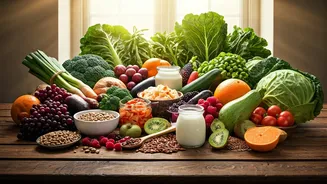
To effectively integrate more fiber into your daily routine, strategic meal planning is paramount. Dietitians often recommend gradual increases to allow your digestive system to adapt, avoiding discomfort. Comprehensive 30-day meal plans, designed by experts, offer a structured pathway to systematically boost fiber intake. These plans typically emphasize whole grains, legumes, fruits, and vegetables, ensuring a diverse range of nutrients. For instance, a 7-day plan focused on blood sugar management might include breakfasts like overnight oats with berries and nuts, lunches featuring lentil soup and whole-wheat bread, and dinners comprising baked salmon with quinoa and steamed broccoli. Similarly, plans aimed at lowering cholesterol often feature heart-healthy options such as a Mediterranean-inspired week with plenty of olive oil, fish, and non-starchy vegetables. The key is to build meals around fiber-rich foundations, ensuring each eating occasion contributes significantly to your daily fiber goals without compromising on taste or satisfaction. These plans provide a roadmap to consistent fiber consumption, making healthy eating achievable and sustainable.
Flavorful Fiber-Rich Recipes
Incorporating high-fiber foods doesn't mean sacrificing flavor or culinary enjoyment. A plethora of recipes are available to make high-fiber eating exciting and delicious. For breakfast, consider options like 15-minute fiber-rich recipes that include dishes packed with whole grains and fruits, or even 22 high-fiber overnight oats, perfect for busy mornings. Lunchtime can be transformed with 22 easy high-fiber vegetarian options that go beyond salads, offering satisfying and filling meals. For dinner, the variety is immense, with 27 high-fiber dinner recipes designed to help lower cholesterol, many of which are ready in 30 minutes or less. Think hearty stews, flavorful stir-fries, and baked dishes brimming with vegetables and legumes. Even snacks can be fiber-loaded; explore 14 spring snacks, 24 high-fiber snacks for insulin resistance, or 20 high-fiber snack recipes for weight loss, ensuring you stay satisfied between meals. For those seeking comfort, 15 high-fiber winter soup recipes offer warmth and nourishment. The culinary landscape of high-fiber eating is vast and adaptable, proving that a nutrient-dense diet can also be incredibly enjoyable and diverse.
Boosting Metabolism & Gut Health
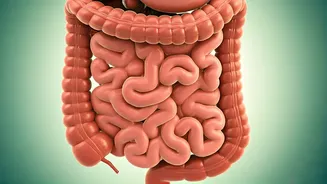
A high-fiber diet is intrinsically linked to a more robust metabolism and superior gut health. Fiber contributes significantly to metabolic function by influencing satiety, which can help regulate appetite and caloric intake, a crucial factor in weight management. Furthermore, certain types of fiber can positively impact insulin sensitivity, allowing your body to utilize glucose more effectively. This metabolic regulation is further supported by the gut microbiome, which thrives on dietary fiber. Fiber acts as a prebiotic, feeding the beneficial bacteria in your intestines. A healthy gut microbiome is associated with improved nutrient absorption, a stronger immune system, and even positive effects on mood and mental clarity. Recipes focusing on gut health, such as 17 gut-healthy breakfasts or 25 gut-healthy lunch recipes, are designed to nurture this internal ecosystem. When your gut is functioning optimally, your entire body benefits, leading to increased energy levels and a greater sense of well-being. Exploring foods like the 5 fruits recommended for better gut health or understanding what happens to your body when you eat enough fruits and vegetables highlights the direct impact of fiber on these interconnected systems.