





Dietary Impact on Longevity
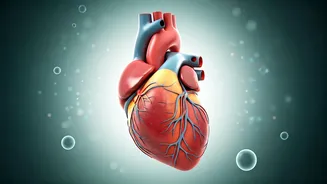
Your daily food choices profoundly influence your health trajectory, dictating your susceptibility to a spectrum of long-term health issues. From the intricate
mechanisms of cardiovascular health to the delicate balance of metabolic functions, what you consume directly shapes your body's resilience. Chronic conditions like heart disease, certain cancers, and debilitating metabolic disorders are intricately linked to dietary patterns. Therefore, understanding which foods may inadvertently shorten your lifespan is a vital step towards proactive health management and embracing a more enduring, vibrant existence.
Alcohol's Hidden Risks
While often enjoyed socially, alcohol presents a significant concern for longevity. Its detrimental effects stem from various mechanisms within the body. Chronic alcohol consumption can lead to liver damage, pancreatitis, and various forms of cancer. Furthermore, it can disrupt sleep patterns, impair cognitive function, and contribute to weight gain, indirectly increasing the risk of heart disease and diabetes. Even moderate intake, when consistent, can accumulate negative impacts over time, making it a crucial element to moderate for overall health and a prolonged lifespan. Understanding its widespread physiological consequences is key to making informed choices about its consumption.
Processed Meats Danger
Processed meats, including staples like hot dogs and deli slices, are laden with compounds that pose serious health threats. These products typically contain high levels of sodium, which can elevate blood pressure and strain the cardiovascular system. More concerning are the nitrates and nitrites used as preservatives, which can convert into N-nitroso compounds in the body. These compounds have been strongly linked to an increased risk of colorectal cancer and other malignancies. The manufacturing process can also introduce unhealthy fats and other additives, further contributing to inflammation and chronic disease development. Limiting these convenient but harmful options is a direct step towards protecting your long-term health.
Sugary Drinks' Empty Calories
The allure of sweet beverages, from sodas to fruit juices, masks a significant health hazard: their abundance of empty calories. These drinks offer minimal nutritional value, failing to induce feelings of fullness. Consequently, individuals often consume more calories overall, leading to unwanted weight gain and a heightened risk of obesity. This, in turn, escalates the likelihood of developing type 2 diabetes, metabolic syndrome, and cardiovascular diseases. The rapid absorption of sugar can also lead to energy spikes and crashes, impacting daily vitality. Replacing these with water or unsweetened alternatives is a powerful strategy for metabolic health and sustained energy.
Saturated Fats' Impact
Saturated fats, prevalent in high-fat meats, butter, and full-fat dairy products, warrant careful consideration in one's diet. While essential in small amounts, excessive consumption can elevate levels of LDL cholesterol, commonly known as 'bad' cholesterol. High LDL levels are a significant risk factor for the buildup of plaque in arteries, a condition known as atherosclerosis, which can lead to heart attacks and strokes. Furthermore, a diet rich in saturated fats can contribute to inflammation throughout the body, potentially exacerbating other chronic health conditions. Opting for lean protein sources, unsaturated fats, and reduced-fat dairy can help manage intake and protect cardiovascular well-being.
Balanced Eating Philosophy
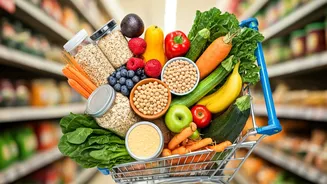
Achieving perfect dietary adherence can be challenging due to life's demands. Instead of rigid rules, a balanced and consistent approach is more sustainable. A practical strategy, often referred to as the 80/20 principle, suggests aiming for healthy choices 80% of the time, allowing for flexibility in the remaining 20%. The ultimate goal is not complete abstinence but ensuring these detrimental foods do not form the foundation of your nutritional plan. By focusing on moderation and making conscious decisions, you can integrate healthier habits without feeling deprived, fostering a more positive and enduring relationship with food and a longer, healthier life.