




Digging Tools Deep Clean
Begin your garden preparation by thoroughly cleaning your digging implements, such as shovels, spades, and trowels. These tools are prone to accumulating
soil and debris, which can harbor plant diseases and insects. Start by removing excess dirt with a hose or water bucket, then use a putty knife or plastic scraper for stubborn mud. For a more thorough clean, soak tools in a solution of hot water and a mild dish soap for 15-20 minutes, followed by a cool water rinse and a thorough drying with a microfiber cloth. If you notice any rust, gently scrub it away with a stiff wire brush or steel wool after applying a light coat of vegetable oil to help loosen it. Once rust-free, rinse with hot water and dry completely. This process not only sanitizes but also maintains the longevity and effectiveness of your digging tools, ensuring sharp edges for easier soil penetration when planting season arrives.
Pruning Gear Sanitization
Next, focus on your pruning and clipping tools, like shears and snips. These are particularly important to clean and sanitize as they directly interact with plant tissues, potentially spreading fungal infections or pest infestations. Plant sap can also build up, making them sticky and less efficient. Begin by soaking them in hot, soapy water for about 15 minutes, then rinse and dry them thoroughly. Inspect for any sticky residue and remove it, perhaps with a cloth lightly dampened with WD-40, which also aids in lubricating hinges. The crucial step is disinfection: wipe down the blades with a cloth soaked in isopropyl alcohol to eliminate any lingering pathogens. If the cutting edges have become dull, consider sharpening them using a whetstone, maintaining a 20 to 45-degree angle on the bevel, and then wiping them clean of metal shavings.
Wooden Handle Restoration
Wooden handles on garden tools, while aesthetically pleasing, require specific attention to prevent degradation. Over time, exposure to moisture and dryness can cause wood to split, dry out, and loosen from the metal components, posing a safety hazard and reducing tool functionality. It's essential to check the structural integrity of these handles and replace them if they feel loose. To rejuvenate and protect wooden handles, begin by smoothing any rough spots with medium-grit sandpaper. Following this, apply linseed oil to the wood. This oil penetrates the grain, creating a protective barrier that helps repel water and prevents future cracking, thereby extending the lifespan and usability of your tools.
Trellis and Support Cleaning
Don't overlook your garden trellises and other support structures, regardless of their material – wood, metal, or plastic. It's time to inspect them for damage and give them a thorough cleaning before the growing season kicks off. Use a solution of hot, soapy water and a soft-bristle brush to scrub away any residual soil, sap, or grime that may have accumulated during the off-season. After washing, wipe down the structure with a cloth dampened with rubbing alcohol; this is effective for killing any dormant insects and removing sticky residues. Address any signs of rust on metal trellises by cleaning the affected areas and applying a fresh coat of rust-resistant paint to prevent further corrosion. This upkeep ensures your trellises provide sturdy and attractive support for your climbing plants throughout the season.
Container Sterilization Technique
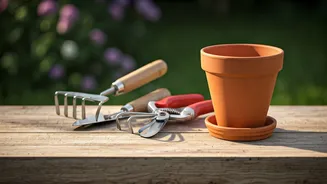
Finally, give your planters and containers the attention they deserve to ensure your plants start off healthy and free from disease. Begin by emptying out all old soil and using a stiff brush to dislodge any clinging soil from the interior and exterior surfaces. Submerge the containers in hot, soapy water and use an old cloth to scrub them clean. After rinsing them well in warm water, the critical step is sterilization. Soak the pots for 15-20 minutes in a solution made from 1 part chlorine bleach mixed with 9 parts water. This potent mixture effectively kills off any lingering bacteria, fungi, or insect eggs. Remove the containers from the bleach solution and allow them to air dry completely before refilling them with fresh soil for your new plantings. This thorough sanitization process is vital for preventing the cross-contamination of soil-borne diseases and pest issues.