






Arhatic Yoga's Holistic Approach
Arhatic Yoga, developed by Grand Master Choa Kok Sui, presents a comprehensive system aimed at enhancing mental acuity, alleviating anxiety, and fostering
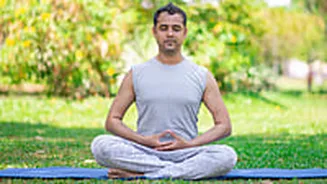
emotional equilibrium. This advanced discipline integrates specific breathing exercises, profound meditation practices such as Arhatic Kundalini Yoga and Arhatic Dhyan, alongside methods for energy purification. Its core principle involves purifying both the physical and subtle energy bodies, enabling practitioners to gain superior command over their thoughts and feelings, ultimately cultivating a tranquil and concentrated mental state. Beyond immediate benefits, Arhatic Yoga emphasizes character building, emotional resilience, and spiritual advancement, leading to heightened intuition, deeper self-awareness, and an enduring sense of inner serenity. It is crucial, however, to seek instruction from a certified teacher to ensure the safe and effective application of these techniques.
Calming Anxiety with Breath
Anxiety is intricately linked to our physical state and the nervous system, not solely residing in the mind. A remarkably effective yet simple method to counteract this is controlled breathing. The technique involves inhaling deliberately and then exhaling for a duration twice as long as the inhalation. This deliberate breath pattern stimulates the vagus nerve, which functions as the body's intrinsic 'off switch' for stress responses. Consequently, this practice leads to a reduction in heart rate, a decrease in stress-related hormones, and a restoration of mental clarity and focus. Its simplicity allows for practice virtually anywhere, providing immediate relief from intrusive anxious thoughts.
Body Postures for Safety
Our physical posture significantly influences our mental state, with certain yoga poses actively signaling a sense of safety to the brain. For instance, forward bends are known to soothe the nervous system, while inversions are beneficial for improving circulation of blood and bodily fluids. Even gentle stretching can effectively release accumulated physical tension. When the body perceives itself as safe, the brain's 'threat response' mechanism is deactivated, resulting in diminished feelings of anxiety, enhanced emotional regulation, and improved mental sharpness. These somatic practices underscore the profound connection between physical well-being and psychological tranquility.
Enhancing Mental Clarity
Yoga operates on the fundamental principle that the mind's state is closely mirrored by the body's condition. When the body is in a state of relaxation and equilibrium, the mind naturally transitions to a calmer and more focused disposition. Through consistent practice, yoga effectively clears away mental 'clutter,' sharpens concentration, and refines one's ability to make decisions. Modern scientific research now corroborates what ancient yogic traditions have long understood: altering the body's physiological state has a direct and measurable impact on our thoughts and emotional experiences.
Emotional Balance Cultivation
The benefits of yoga extend beyond merely mitigating stress; it actively cultivates emotional fortitude. Practices such as meditation and focused breathwork are instrumental in managing negative emotions, fostering greater self-awareness, and promoting a stable inner state. Over time, this consistent engagement leads to more constructive reactions when faced with stressful circumstances, encourages a more optimistic outlook on life, and builds significant emotional resilience. Yoga stands as a powerful, evidence-based method for enhancing both mental and emotional health, offering a sustainable path to inner peace and well-being.