




Lunar Illusions Unveiled
The night sky frequently offers mesmerizing lunar events, such as the captivating lunar eclipse. These occurrences, where the Earth casts a shadow upon
the moon, can transform its appearance dramatically. A notable example is the 'Blood Worm Moon' eclipse, which painted the moon a distinct red hue and was visible across all United States states, offering a unique spectacle. The duration of such events, like the 82-minute appearance of a red moon during a rare Blood Moon Lunar Eclipse, provides ample time for observation and photography. These celestial shows are not just visually stunning but also serve as a reminder of our place in the cosmos, drawing people together to witness a shared astronomical experience.
Meteor Showers Galore
Prepare for an abundance of shooting stars as Earth passes through various comet trails. Meteor showers are a highlight of the astronomical calendar, with some years offering particularly brilliant displays. For instance, a meteor shower peak might become the brightest out of three expected that month, providing an exceptional opportunity for stargazers. Famous comets, like Halley's Comet, also contribute to these events, sending shooting stars raining down on our planet. Understanding the timing of these celestial fireworks, often coinciding with specific months like September which is packed with stunning sky events, allows enthusiasts to plan for optimal viewing conditions and capture memorable images of these fleeting cosmic visitors.
Planetary Parades
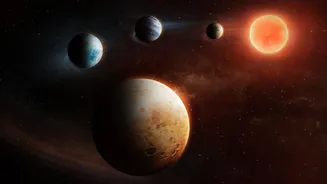
Beyond the moon and meteors, the night sky presents opportunities to witness planetary alignments, creating breathtaking 'planet parades.' These rare celestial gatherings involve multiple planets appearing in close proximity, offering a unique visual treat. Events like a 7-planet parade, alongside phenomena like the Snow Moon, add to the month's celestial calendar, with special surprises like a Valentine's Day Venus surprise adding extra charm. These planetary processions, sometimes accompanied by other events like Northern Lights, create a dynamic and ever-changing canvas in the night sky, making regular sky-watching a rewarding endeavor.
Solar Eclipses & Vanishing Stars
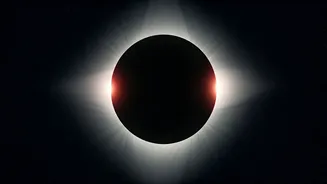
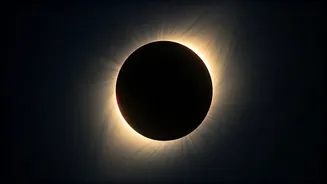
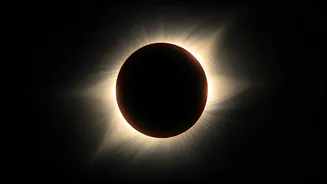
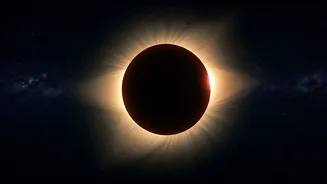
The solar eclipse remains one of the most awe-inspiring astronomical events, a dramatic alignment of the sun, moon, and Earth. Across the U.S., specific locations are designated as prime viewing spots for the 'path of totality' during a total solar eclipse in 2024, offering an unparalleled experience. For those unable to witness such an event directly, alternative stargazing locations provide excellent opportunities. Looking further ahead, rare astronomical phenomena are predicted, such as a 'Blaze Star' that vanishes for 80 years and may reappear in 2026, offering a chance to witness a truly unique cosmic event. A rare eclipse streak starting in 2026, including the 'Eclipse of the Century,' promises even more spectacular celestial shows with specific destinations offering the best vantage points.
Astrotourism Hotspots
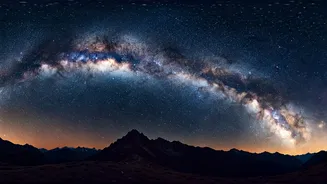
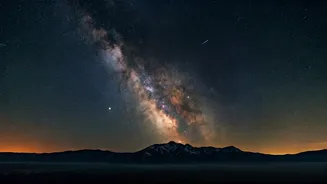
For the ultimate stargazing experience, certain locations are renowned for their clear skies and minimal light pollution. Natural phenomena that offer the number one travel experience Americans want in 2026 often involve celestial observations. For example, a gorgeous California State Park has been recognized as the best place for stargazing in the U.S., providing an ideal setting for witnessing the Milky Way and other cosmic wonders. Experiencing the night skies around the world is a passion for many, with expert advice highlighting the importance of seeking out these dark sky destinations to capture the best photos of the Milky Way. These astrotourism hotspots transform the simple act of looking up into an unforgettable journey.