


A Land of Flavors
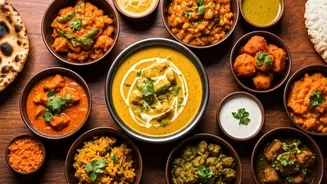
India's culinary landscape is as diverse as its geography. Each region boasts unique flavors, reflecting local ingredients and traditions. From the spicy
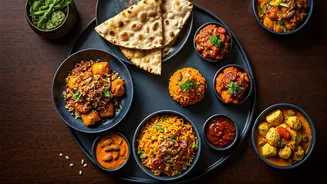
curries of the South to the rich, creamy dishes of the North, the variety is astonishing. The use of spices is a defining characteristic, with each spice contributing to a complex symphony of flavors. Indian cuisine is not just about taste; it is also about the experience of sharing food, a central element of Indian culture. Family gatherings and festivals are often centered around elaborate meals, signifying community and togetherness. These gatherings often showcase regional specialties and family recipes passed down through generations. Cooking methods also vary greatly, from the tandoor ovens of the North to the steaming and frying techniques prevalent in the South and East. This diversity results in a rich and flavorful cuisine that has captivated the world.
Northern Delights
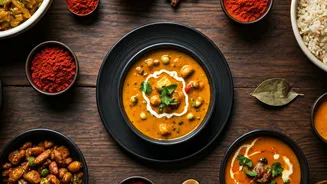
Northern Indian cuisine is known for its rich, often creamy, gravies and the generous use of dairy products. Butter chicken, a globally recognized dish, exemplifies this style with its tender chicken pieces in a tomato-based, butter-infused sauce. Another popular dish is Rogan Josh, a lamb-based curry from Kashmir, known for its deep red color and aromatic spices. The tandoor oven plays a significant role in Northern cooking, used to prepare everything from naan bread to tandoori chicken. The influence of Mughal cuisine is evident in the use of nuts, dried fruits, and rich gravies, creating luxurious and flavorful dishes. Many of these dishes are perfect when paired with fluffy naan or fragrant basmati rice, which help soak up the delicious sauces. Many people also enjoy the various types of kebabs which use different meats and spices to create tasty flavors. This area has many options when it comes to good food.
Southern Spice Route
Southern India offers a vibrant and often spicy culinary experience, heavily influenced by the use of rice, lentils, and coconut. Dishes like dosa, idli, and vada, made from fermented batter, are popular breakfast and snack options. The cuisine often incorporates fresh vegetables and seafood. The use of tamarind, curry leaves, and various chilies adds a characteristic tang and heat. Dishes are typically lighter and healthier, with a focus on fresh ingredients and flavors. The use of coconut milk is prevalent, adding richness and creaminess to curries and stews. These are often eaten with rice. The region's cuisine showcases a blend of flavors, with each state having its unique specialties. Coastal regions highlight seafood in their cooking. Each regional style is delicious and a must try for all people who enjoy food.
Eastern Culinary Traditions
Eastern Indian cuisine is often characterized by its use of mustard oil and a focus on fish and sweets. Bengal, in particular, is known for its delectable fish preparations, using a variety of cooking methods and spices. Dishes like Macher Jhol, a fish stew, and Ilish Macher Paturi, fish steamed in banana leaves, are popular. The region is also famous for its sweets, such as rasgulla and sandesh, made from milk and sugar. Rice is a staple in the diet, served with curries and various side dishes. The cuisine reflects a blend of influences, including British and local traditions, creating unique and flavorful dishes. Many people in this region love to eat delicious, flavorful food. They often host elaborate meals with family and friends.
Western Flavors Abound
Western India's cuisine encompasses a variety of flavors, from the spicy curries of Maharashtra to the vegetarian specialties of Gujarat. The coastal states of Goa and Maharashtra incorporate seafood into their cooking, using coconut, spices, and local ingredients. The state of Gujarat is known for its vegetarian dishes, with a balance of sweet, sour, and spicy flavors. Mumbai's street food, such as vada pav and pav bhaji, is iconic. Dishes are often accompanied by roti or other flatbreads. The diverse cultural influences in the region contribute to the varied and vibrant flavors found in western Indian cooking. Each state has a different specialty. These dishes offer a rich culinary journey for all types of people.
Spices: The Heartbeat
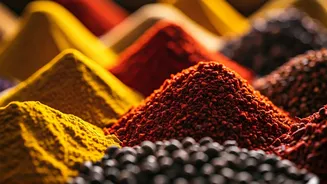
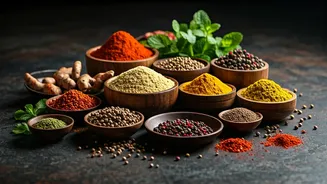
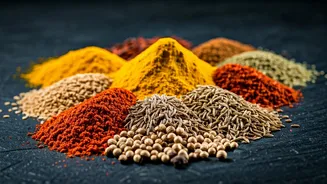
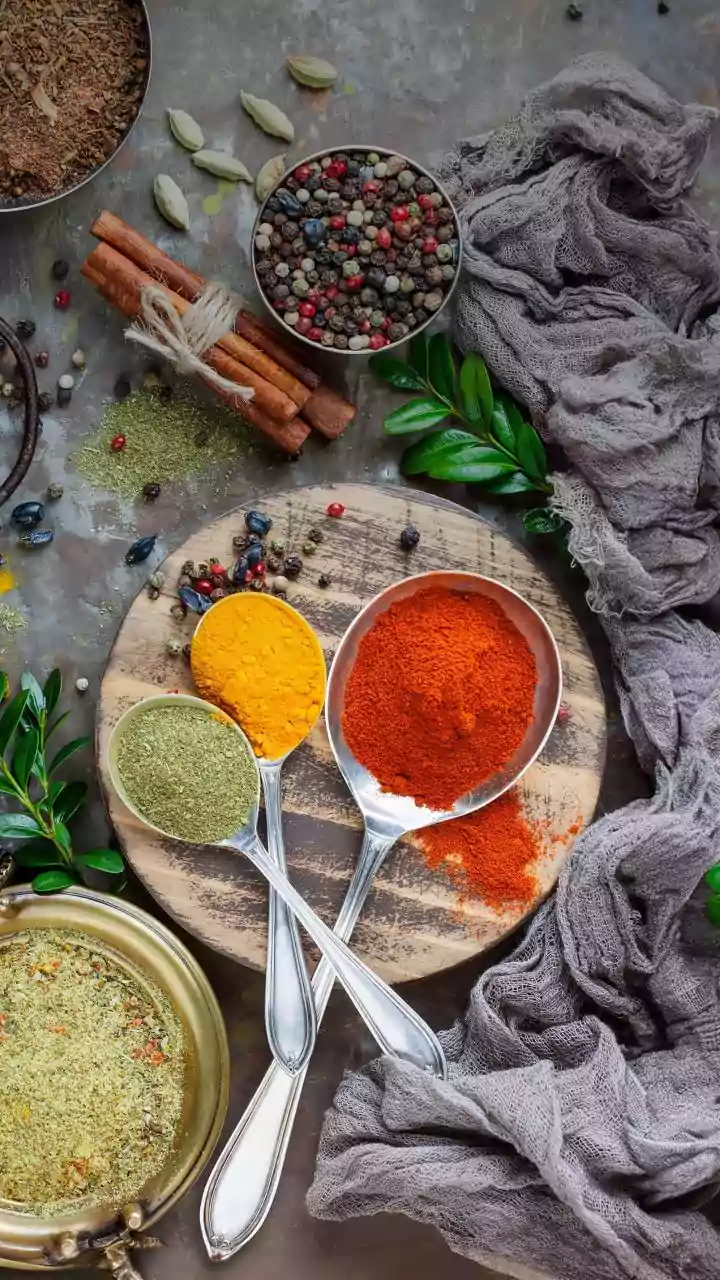
Spices are at the heart of Indian cuisine, contributing to its complex flavors and aromas. The selection of spices varies by region, but common ones include turmeric, cumin, coriander, and chili. Spices are often used in various combinations, creating unique flavor profiles for each dish. The careful blending of spices, or masalas, is an art form, with each chef having their unique recipes. Spices are used whole, ground, or toasted to enhance their flavors. The use of spices is not just about taste; they also have medicinal properties, contributing to overall well-being. Indian cuisine’s flavors are heavily reliant on the quality and the freshness of the spices used in the cooking process. Spices really set apart Indian food from other types of cuisines.
Cooking Techniques: Mastery
Indian cooking uses diverse techniques, from slow simmering to high-heat frying. Tandoor cooking, a technique originating in the North, uses a clay oven to cook meats and bread, imparting a smoky flavor. Grilling, steaming, and stir-frying are also common. The method of cooking impacts both the taste and texture of the final product. The use of various cooking techniques reflects the creativity and skill of Indian chefs. Each technique requires skill and expertise to create the perfect dish. The combination of techniques produces flavorful and diverse dishes that are enjoyed around the world. These techniques create a unique flavor profile for the food.
Cultural Significance: Food
Food in India holds deep cultural significance, often associated with religious rituals and festivals. Many religious practices include food offerings. Weddings, birthdays, and other special occasions are celebrated with elaborate meals. Food is a way of expressing love, respect, and hospitality. Sharing a meal is a sign of community and togetherness. The customs surrounding food also vary by region, with each community having its unique traditions. Many people invite friends and family over during festivals to share meals. The diversity of the country is also shown in its dishes. Food and culture go hand in hand with one another.