



Plastic's Hidden Perils
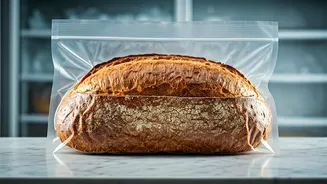
Many home cooks opt for the convenience of sealing cheese directly in plastic bags, a habit that nutritionists are now strongly advising against. This
seemingly harmless practice creates an environment ripe for accelerated mold development. Furthermore, plastic wraps, particularly those made from polyethylene or PVC, pose an additional risk. These materials can release chemicals that are absorbed by the high-fat content of cheese, potentially compromising its safety. The moist, stagnant atmosphere within a plastic bag is an ideal breeding ground not only for unwanted fungi but also for dangerous bacteria like Listeria, which can have severe health implications. Rethinking this common storage method is crucial for maintaining both the quality and integrity of your beloved cheeses.
The Breathable Alternative
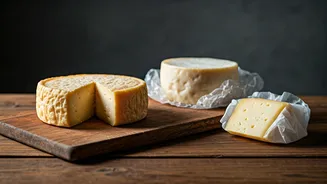
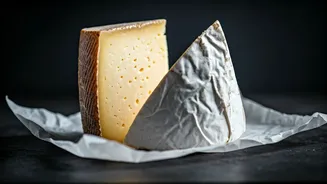
The key to extending your cheese's lifespan and preserving its natural characteristics lies in allowing it to breathe. Nutritionist Amy Shah advocates for a straightforward yet highly effective storage solution: paper. Switching from impermeable plastic to porous paper, such as parchment or wax paper, allows for essential air circulation. This prevents the excessive moisture buildup that encourages mold and bacteria. Wrapping your cheese in paper first, and then perhaps placing it inside a loosely covered container, provides a protective barrier without trapping unwanted elements. This method not only keeps your cheese fresher for considerably longer periods but also helps it retain its desirable texture and full flavor profile, ensuring a more enjoyable culinary experience.