






The Garment's Journey
The initial excitement of acquiring new clothing often bypasses a crucial step: washing. However, before that crisp fabric graces your skin, it embarks
on a long and varied voyage. From the initial creation in factories, through extensive warehousing, and onto shipping containers and retail displays, garments traverse numerous environments and are handled by many individuals. This extensive transit makes them susceptible to accumulating dust, dirt, and potentially even microscopic organisms. Furthermore, when purchasing from physical stores, the experience of trying on clothes is common. The very items you're eager to wear might have been handled, adjusted, or come into contact with other shoppers' skin numerous times, diminishing their perceived 'freshness' upon purchase.
Chemical Coatings Unveiled
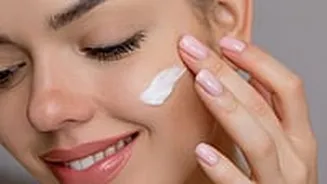
Beyond the journey, a significant factor often overlooked is the presence of chemicals used in the manufacturing process. Dyes and various finishing agents are applied to new clothes to maintain their aesthetic appeal and texture during transportation and storage. These residues can linger on the fabric and, upon direct contact with your skin, may trigger adverse reactions, particularly for individuals predisposed to contact dermatitis. As noted by dermatological experts, these residual chemicals, coupled with environmental contaminants like dust and microbes acquired during handling and storage, can indeed lead to skin irritation. For those with sensitive skin or pre-existing conditions like eczema, unwashed garments, especially those worn close to the body like underwear or activewear, can exacerbate inflammation and discomfort.
Hygiene and Baby's Skin
The hygienic aspect of wearing new clothes directly from the store is another important consideration. While the immediate risk of serious infection is generally low, new clothing can still harbor germs picked up from various stages of its production and distribution chain. A simple pre-wear wash serves as an effective measure to mitigate this risk by removing a considerable amount of residual chemicals and surface contaminants. This precaution becomes even more vital when it comes to infant clothing. Babies possess exceptionally delicate and sensitive skin, making them more vulnerable to irritations and rashes caused by unwashed fabrics. Utilizing a mild, baby-specific detergent and avoiding harsh chemicals during the wash cycle can significantly protect a baby's sensitive skin from potential adverse reactions.
The Smart Habit
While not an absolute requirement for everyone, washing new clothes before their inaugural wear is a prudent and straightforward habit that can preempt unnecessary skin irritation. It functions as an accessible skincare practice, demanding minimal effort for significant gains in hygiene and skin protection. This simple step helps to reduce chemical residues and safeguard sensitive skin from potential reactions. However, there are instances where washing might not be advisable, such as with certain structured garments or formal wear that could lose their intended finish, or with fabrics designated as 'dry-clean only,' which require specialized care. In such exceptions, airing out the garment or wearing an undershirt to create a barrier between the fabric and your skin are alternative measures.