







The Dawn of Automatic Photos
In 1925, a groundbreaking invention by Anatol Josepho forever changed the landscape of personal photography. His ingenious machine, installed on the bustling
streets of Broadway in New York City, offered a revolutionary experience: the ability to capture and develop photographic prints automatically within a matter of minutes. This novel technology immediately captured the public's imagination, drawing immense crowds eager to witness and participate in this new form of instant portraiture. It was the very first step in making photography a quick and accessible process for everyday individuals, moving beyond the studio and into public spaces.
Photomaton's Rapid Ascent
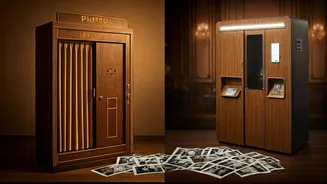
Following its initial success, Josepho's invention quickly gained traction. He sold the rights to his pioneering photobooth, paving the way for the widespread adoption of 'Photomaton' booths. This marked a significant period of expansion, with these automated photography stations proliferating rapidly across both the United States and Europe. By the late 1920s and throughout the 1930s, photobooths had firmly established themselves as a popular and remarkably affordable method for individuals and groups to obtain their portraits, democratizing the process of image creation.
A 20th Century Staple
As the 20th century progressed, photobooths became an ingrained part of the social fabric, appearing in numerous public locations such as busy train stations, bustling shopping malls, and vibrant amusement parks. They served a multitude of purposes, acting as cherished keepsakes for personal memories, a fun way to document friendships, and even for practical applications like creating official identification photographs. Their presence made photography readily available to a broader segment of the population, solidifying their role as a cultural fixture.
Artistic Inspiration and Influence
Beyond their widespread public use, photobooths also found a significant place within the art world. Visionary artists, notably Andy Warhol, recognized and embraced the unique aesthetic offered by these machines. They were drawn to the candid nature, the repetitive sequences, and the raw, unfiltered quality of photobooth images. This intimate and unposed style of portraiture profoundly influenced the trajectory of modern visual culture, inspiring new forms of artistic expression and a greater appreciation for spontaneous imagery.
The Digital Age Challenge
The advent of digital cameras and the ubiquitous rise of smartphones in the early 2000s presented a considerable challenge to the traditional photobooth. As personal photography became instantly accessible and easily shared via digital devices, the popularity of classic, analog photobooths began to wane, leading to their gradual disappearance from many public spaces. However, a strong sense of nostalgia and the enduring, distinctive charm of the photobooth experience ensured their survival in select, dedicated venues and specialty locations.
The Modern Photobooth Renaissance
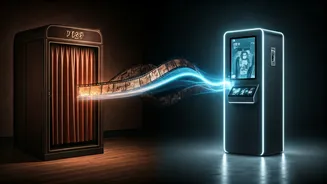
In recent years, the photobooth has experienced a remarkable resurgence, marked by significant digital enhancements. Today's photobooths are equipped with advanced features like high-definition cameras, captivating GIFs, fun filters, and instant sharing capabilities, blending their inherent vintage appeal with cutting-edge technology. They have become an indispensable element at contemporary events, including weddings, parties, and corporate functions, offering a lively and interactive way to capture memorable moments for guests.