

A Hidden Gem Emerges
The journey began with a familiar Caribbean trek, a well-trodden path winding through dense tropical foliage, alive with the sounds of local wildlife and
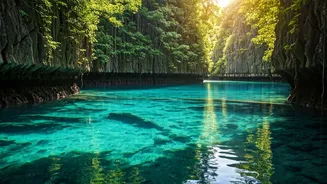
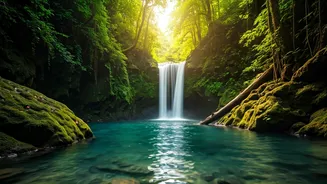
the vibrant colors of orchids. Amidst this verdant canopy, where iguanas darted and tiny hummingbirds flitted, an unexpected sight began to unfold. Moving away from the expected dark, mysterious jungle waterways often found in places like Trinidad, the Dominican Republic presented something luminous. Emerging from the tangled roots of mangrove trees and lush greenery was a body of water with an almost unbelievable hue. Its surface was tranquil and reflective, its depths a brilliant, gem-like blue, evoking the appearance of melted sapphire. This was a cenote, a natural sinkhole, unlike the murky pools anticipated, but a lively, luminous lagoon teeming with aquatic life. Standing at its edge, captivated by the gnarled roots of a gri-gri tree, the decision to immerse oneself in its cool, mineral-rich embrace was immediate. The initial shock of the cold water quickly gave way to a soothing calm, with small tilapia fish visible darting beneath the surface. Submerged within the mossy, rocky contours of the cenote, a profound sense of peace and safety prevailed.
Punta Cana's Eco-Conscious Heart
Surprisingly, this enchanting cenote is not located in a remote, uncharted territory, but rather within Punta Cana, an area predominantly recognized for its expansive all-inclusive resorts, pristine white-sand beaches, and world-class golf courses. This stunning natural wonder is part of a vast 1,500-acre ecological reserve, home to twelve freshwater lagoons, each bearing traditional Taíno names. The preservation and management of this significant natural area are entrusted to the Puntacana Foundation. Established in 1994, this non-profit organization is dedicated to fostering sustainable tourism practices throughout the region. Over the past three decades, the foundation's influence has been instrumental in shaping local environmental policies, from regulating fishing practices to guiding resource management within the resorts. Specific measures include seasonal protections for lobster and conch, encouragement of catch-and-release fishing for big-game anglers, and outright protection for vital species like parrotfish, sea turtles, and marine mammals. On land, the foundation champions initiatives such as treating wastewater for reuse in irrigating golf courses and generating electricity through a high-efficiency power plant. These conservation efforts, often unseen by visitors, are highlighted by Jake Kheel, the Puntacana Foundation's vice president of sustainability, who emphasizes their genuine impact, stating they go beyond mere superficial gestures of environmental responsibility and are programs that truly effect positive change.
Luxury Meets Nature
The commitment to sustainability extends to the operational ethos and architectural design of the region's hotels. Among the latest additions is a distinguished beachfront property, featuring 200 rooms and opening its doors just last year. Situated within an exclusive, high-end gated community in Punta Cana, this resort embodies a modern aesthetic, characterized by light-toned woods, polished marble floors, woven wicker ceilings, and a generous presence of palm trees, creating an oasis of luxury. Beyond its private beach, the resort boasts an impressive array of amenities, including four swimming pools, nine distinct dining venues, a dedicated wellness center, and convenient access to the adjacent Punta Espada golf course. While some of the resort's eco-friendly practices are subtle, such as the capture of wastewater for landscape irrigation and the implementation of green roofs to reduce cooling energy demands, guests can actively engage with conservation efforts. Opportunities include learning about coral restoration projects at a nearby beach or visiting a local non-profit that empowers underprivileged women through craftwork. The resort's commitment to showcasing local artistry is evident in its gift shop, where items like pearl earrings and leather necklaces created by these women will be available. Experiencing the local culinary scene, guests might enjoy dishes like goat empanadas, a flavorful rendition of traditional Dominican cuisine, often prepared with a hint of Scotch bonnet pepper.
Adventure in Cap Cana
Later, stepping away from the controlled comfort of the resort, a visit to a 150-acre adventure park within Cap Cana beckons. This destination offers a unique blend of an amusement park and a natural reserve, providing exhilarating activities such as swimming in caves adorned with stalactites, rappelling down dramatic limestone cliffs, and navigating off-road trails. While the park presents numerous attractions, the primary draw for many is its famed Blue Hole cenote. The journey to reach this natural wonder involves a short hike, mirroring the initial trek into the reserve. This path is characterized by a suspension bridge, a small waterfall, and intermittent glimpses of the familiar zumbadorcito, or hummingbird. Though the water in this cenote may not possess the same intense, jewel-like brilliance as the one found in the ecological reserve, it is notably larger, and the overall experience remains deeply meditative. Visitors typically take turns enjoying the refreshing pool, leaping into its depths. Before joining them, one might pause to observe the long, draping vines clinging to the surrounding rocks, contemplating their age and growth before stepping onto a wooden platform. Once submerged, the ambient sounds of the park recede, leaving a sense of steady, grounding tranquility. This experience serves as a powerful reminder that even in environments meticulously shaped by luxury, the profound influence of nature remains paramount.