


Selecting Fresh Peas
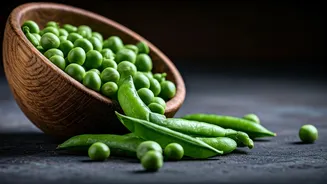
The cornerstone of any outstanding Matar Paratha is, undoubtedly, the quality of its green peas. To embark on your culinary journey, the selection of fresh,
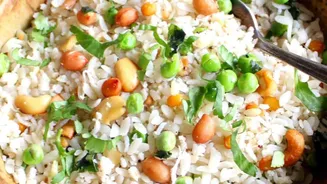
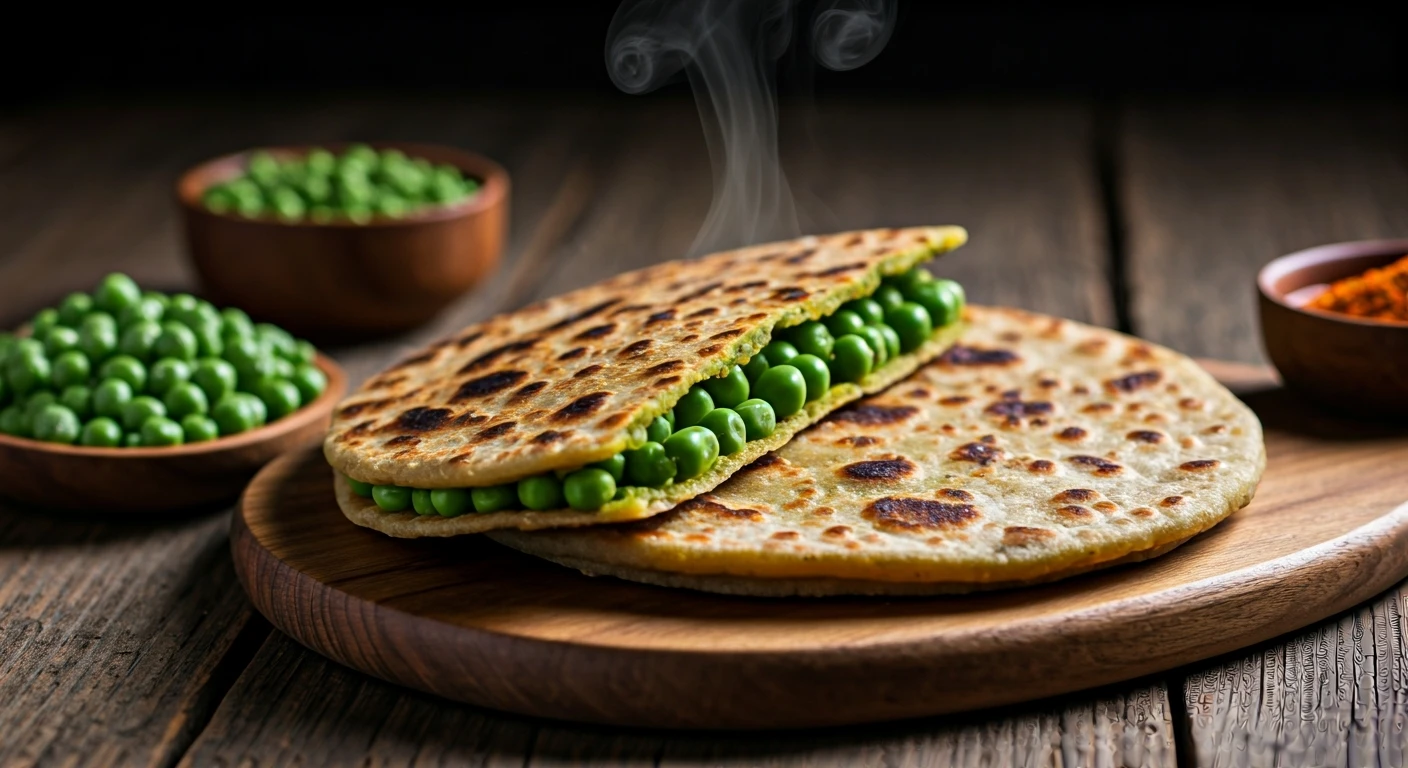
seasonal green peas is paramount. The essence of this dish hinges on the sweet, vibrant taste that only fresh peas can provide, perfectly complementing the other spices. Try to identify peas that are bursting with freshness; they should exhibit a bright green hue, indicating their recent harvest. Avoid those that appear dull, or have any signs of damage or browning. As you shop, keep an eye out for peas that are in season, as their flavor will be at its peak. This choice will significantly impact the overall taste profile of your paratha, ensuring that each bite is a burst of winter goodness. This first step is vital for the eventual outcome of a truly delightful and authentic Matar Paratha experience.
Herbs for Flavor
Enhancing the overall aroma and color of your Matar Paratha is easily achieved with the inclusion of fresh herbs. Incorporating herbs not only elevates the visual appeal of the paratha but also introduces layers of aromatic complexity. A sprinkle of finely chopped coriander leaves (cilantro) can introduce a fresh, vibrant element, while also adding a beautiful green contrast to the filling. You could also include a touch of mint; its refreshing essence balances the richness of the peas. Remember to add herbs towards the end of the cooking process, to ensure they retain their vivid colour and preserve their delicate flavours. These simple additions will transform your Matar Paratha into a more sophisticated and enjoyable dish, making each mouthful a celebration of fresh, natural flavors that celebrate the goodness of winter.
Soft Dough Preparation
The consistency of the dough significantly impacts the final texture of your Matar Paratha. It is advisable to begin the dough preparation by carefully measuring the flour and adding a pinch of salt to it. Then, gradually add water to the flour, mixing it continuously until a soft dough forms. This soft consistency is essential for ensuring that the paratha remains tender and doesn't become stiff during the cooking process. After the dough is kneaded, make sure that it rests for a certain period. Allow the dough to sit, covered, for at least 30 minutes, or even longer if time permits. This resting period allows the gluten in the flour to relax, resulting in a more pliable dough that is easier to roll and will cook into a softer, more flaky paratha. The outcome will be a well-balanced paratha, combining a delightful filling with a tender outer layer.
Cook on Medium Heat
Achieving the perfect texture of Matar Paratha depends upon precise cooking, mainly the control of heat and the use of the right cooking medium. Start by heating a tawa or a flat griddle over a medium heat. It is essential to choose medium heat so the paratha cooks evenly and that the filling is perfectly heated. Once the tawa is hot enough, place the paratha on the surface and cook it. Use an appropriate amount of ghee to add flavor and crispness. The amount of ghee should be enough to ensure the paratha fries to a golden brown color without making it greasy. Flip the paratha frequently to achieve an even cook. The result will be a beautifully cooked paratha with a crisp outer layer and a soft interior. This approach ensures an ideal texture, making the Matar Paratha both visually appealing and incredibly satisfying.
Spice Balancing Act
Mastering the flavour profile of Matar Paratha involves a harmonious balance of spices. The key to an outstanding paratha is finding the correct proportion of each spice to create a well-rounded and delightful taste. Start by ensuring you have a blend of key spices: commonly, these include cumin, coriander powder, turmeric for color, and red chili powder for a touch of heat. The quantities of each spice should be adjusted to align with your taste preferences. Start with small amounts of chili powder and increase as needed to determine the correct level of spiciness. Be careful with the salt; it should enhance the flavors without overpowering them. Remember that the purpose of spices is to complement the sweetness of the peas, so they should enhance the natural flavours rather than mask them. This meticulous approach to spice selection makes Matar Paratha a symphony of taste and texture.
Troubleshooting Issues
Sometimes, problems arise while making Matar Paratha; however, identifying and fixing these issues is key to a perfect outcome. One common problem is the paratha breaking during rolling or cooking. This occurs primarily due to insufficient dough preparation or an overfilled paratha. Ensure the dough is soft and rests long enough and be careful not to overfill the paratha. If the paratha is not cooked evenly, it could be due to uneven heat distribution or the paratha not being flipped frequently enough. Maintaining consistent medium heat and flipping the paratha regularly can resolve this problem. In the case where the paratha appears dry or tough, adding more ghee during cooking, will help make the paratha softer. By addressing these minor issues, you can improve your skills and enjoy a flawless and delectable Matar Paratha every time.
Serving Suggestions
To fully enjoy the Matar Paratha, thoughtful serving suggestions can enhance the overall experience. The paratha is commonly served with yogurt, which offers a refreshing contrast to the warmth and spice of the paratha. For an extra layer of flavor, consider using mint or raita. Pickles, particularly mango or mixed vegetable pickles, complement the savoury elements of the paratha. For a more complete meal, serve the paratha with a side of chutney, such as coriander or tamarind chutney. These accompaniments not only add layers of flavor, but they also give a more balanced meal that is suitable for all tastes. Consider serving the paratha hot, straight from the tawa, to maintain its texture and flavor. This careful selection of accompaniments turns a simple paratha into a culinary pleasure, ideal for cold winter days.
Stuffing in Advance
Efficient meal preparation involves planning, and for Matar Paratha, the stuffing can be prepared ahead of time to save time. This is especially useful during busy schedules or when preparing for a gathering. The filling made from green peas, spices, and herbs can be prepared a day in advance and stored in the refrigerator. Ensure that the stuffing is completely cooled before placing it in the fridge to maintain its freshness. When the time comes to make the paratha, simply roll out the dough, fill it with the prepared stuffing, and cook as usual. This method streamlines the cooking process, allowing you to enjoy fresh, homemade Matar Paratha with ease. By following this method, you can enjoy a delicious and time-efficient meal, without compromising on taste or quality.