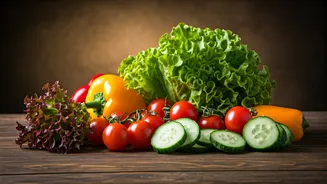

Salads: A Healthy Start
Salads, often considered the cornerstone of a healthy diet, offer a world of culinary possibilities. They are incredibly versatile, allowing for a diverse
range of ingredients to be combined, from fresh greens and vegetables to proteins, grains, and flavorful dressings. They are a fantastic way to consume a variety of essential nutrients, including vitamins, minerals, and antioxidants, all in a single, delicious dish. The beauty of salads lies in their adaptability, catering to different dietary needs and preferences. Whether you're a vegetarian, vegan, or simply looking to eat more healthily, there's a salad recipe out there for you. Moreover, salads can be prepared quickly and easily, making them an ideal choice for busy weeknights or impromptu gatherings. The key to a great salad is freshness, quality ingredients, and a balanced combination of flavors and textures, ensuring every bite is a delightful experience. These recipes will demonstrate how simple it can be to create an amazing salad.
Refreshing Green Goodness
This collection begins with classic green salads, the foundation of many delicious creations. The simplicity of a garden salad, featuring crisp lettuce, juicy tomatoes, and crunchy cucumbers, is a timeless classic that can be customized with various dressings. For a more robust experience, consider a spinach salad, packed with iron and often paired with sweet berries and a tangy vinaigrette. Adding toppings like walnuts and feta cheese elevates the flavor profile. Another excellent option is a mixed green salad, using a blend of lettuce varieties to provide a more complex flavor and texture. Explore adding avocado to boost the healthy fat content. Remember that the dressing can dramatically alter the taste, so experiment with different vinegars, oils, and herbs to discover your favorite pairings. Don't underestimate the impact of fresh herbs like basil or dill. Finally, don't be afraid to add protein, such as grilled chicken or chickpeas, to transform your green salad into a complete meal.
Mediterranean Delight
Moving on, the Mediterranean salad is an embodiment of fresh flavors. This vibrant salad often contains a base of crisp romaine lettuce, complemented by ripe tomatoes, cucumbers, red onions, Kalamata olives, and feta cheese. A classic Greek salad dressing, incorporating olive oil, red wine vinegar, oregano, and a touch of lemon juice, ties all of the elements together. Variations often include bell peppers, capers, and a sprinkle of fresh parsley for added color and flavor. Consider adding grilled chicken or chickpeas to make it even more satisfying. This salad celebrates the heart-healthy benefits of the Mediterranean diet, providing a balanced combination of healthy fats, protein, and essential nutrients. Make sure to use high-quality ingredients to maximize the flavor. Experiment by using different kinds of olives and feta cheese, as well as by adding a drizzle of balsamic glaze for a touch of sweetness and depth. The Mediterranean salad is an enjoyable and healthy lunch or dinner choice.
Hearty Grain Bowls
Grain bowls offer a wholesome and satisfying way to eat salad. This approach starts with a base of cooked grains, such as quinoa, brown rice, or farro. These grains provide fiber and sustained energy. Next, build your bowl with a selection of roasted vegetables, such as sweet potatoes, broccoli, and Brussels sprouts, which add natural sweetness and vibrant colors. Add protein in the form of grilled tofu, lentils, or chickpeas. Top it with a flavorful dressing, such as a tahini dressing or a lemon-herb vinaigrette. Grain bowls are customizable, so feel free to experiment with various grains, vegetables, proteins, and dressings. Don't be afraid to try different combinations of spices to enhance the flavor. Roasted vegetables often develop a sweeter and richer flavor compared to raw ones. The versatility of grain bowls means they can easily be adapted to different dietary requirements and taste preferences. These salads are a great source of complex carbohydrates, protein, and healthy fats, making them a well-rounded and nutritious choice.
Fruit-Filled Fantasies
Fruit salads can be a light and refreshing meal, particularly during the warmer months. These salads combine fresh fruits with complementary flavors and textures. The possibilities are endless, ranging from a simple mix of berries with a drizzle of honey and a dollop of yogurt to a more elaborate creation. Incorporate fruits like watermelon, cantaloupe, and pineapple for a tropical twist, or combine apples and grapes with a creamy dressing. Adding nuts like almonds or pecans will add satisfying crunch and healthy fats. Another appealing option is a salad featuring grilled peaches with burrata cheese and a balsamic glaze. A fruit salad can also be enhanced with a sprinkle of mint or basil, bringing a touch of freshness. Using in-season fruits guarantees maximum flavor and sweetness. Remember that a simple drizzle of a flavorful dressing can enhance the taste of your fruit salad. Fruit salads are naturally sweet and are a healthy alternative to desserts.
Pasta Salad Perfection
Pasta salads are a classic comfort food that's also incredibly versatile. The key is choosing the right pasta shape; small shapes like rotini, penne, or farfalle are ideal for capturing dressing and holding other ingredients. Cook your pasta al dente. Start with a flavorful dressing. You can go for creamy dressings, such as those with mayonnaise, or lighter vinaigrettes. Incorporate a variety of ingredients, such as colorful vegetables (bell peppers, cherry tomatoes, cucumbers, red onions), and proteins (grilled chicken, chickpeas, or salami). Add cheese like mozzarella balls or crumbled feta. For a vegetarian version, include olives and sun-dried tomatoes. Experiment with different herbs, such as fresh basil, parsley, or oregano, to boost the flavor. Make sure to combine the pasta and dressing while the pasta is still slightly warm, which will allow the dressing to be better absorbed. Pasta salads are perfect for picnics, potlucks, and light meals. Properly chilled, they hold up very well.
Salads for Weight Loss
Salads can be a great tool for weight management when prepared thoughtfully. The key is to focus on filling, low-calorie ingredients, such as leafy greens, non-starchy vegetables, and lean protein sources. Use dressings sparingly, opting for vinaigrettes over creamy dressings. For a weight-loss friendly salad, choose a base of mixed greens and add a generous portion of colorful vegetables like bell peppers, cucumbers, and carrots. Incorporate a lean protein source, such as grilled chicken or fish, and add some healthy fats, such as avocado or a few nuts, for satiety. Choose fiber-rich ingredients, such as beans or lentils. Avoid excessive amounts of high-calorie toppings, such as cheese, croutons, and creamy dressings. Dressing can be made by mixing olive oil with vinegar, herbs, and spices. A well-constructed salad can provide a satisfying and filling meal while supporting weight loss. Portion control is essential. Regularly consuming these types of salads can assist with keeping a check on your weight.
Salad Dressing Delights
The dressing is the heart and soul of any good salad, transforming simple ingredients into a burst of flavor. Homemade dressings are generally healthier, allowing you to control the ingredients. Begin with a base of olive oil or a lighter oil. Add acid with a vinegar or lemon juice. Mix in some herbs, spices, and a touch of sweetness. For a classic vinaigrette, whisk together olive oil, balsamic vinegar, Dijon mustard, and a pinch of salt and pepper. For a creamier dressing, consider making a yogurt-based dressing by combining yogurt with lemon juice, herbs, and a touch of garlic. Consider a tahini dressing, made by whisking tahini with lemon juice, water, and garlic. The choice of dressing depends on your preferred taste and the ingredients of your salad. The dressing can be made ahead of time and stored in the refrigerator, allowing its flavors to meld. Experiment with different combinations until you create your perfect dressing.
Creative Salad Combinations
The beauty of salads lies in the endless creative combinations possible. Try a combination of grilled corn, black beans, avocado, and a cilantro-lime dressing for a Southwestern-inspired salad. For an Asian-inspired salad, combine shredded cabbage, carrots, edamame, and a sesame-ginger dressing. Consider a Caprese salad with fresh mozzarella, tomatoes, and basil, drizzled with balsamic glaze. Another option is a quinoa salad with roasted vegetables, chickpeas, and a lemon-herb dressing. Incorporate different textures. Arugula, with its peppery taste, can be paired with sweet fruits and crunchy nuts. Don't shy away from incorporating fruits or vegetables you may not have previously considered. The possibilities are truly endless, and the only limit is your imagination. By trying different combinations, you can create salads that perfectly reflect your tastes and preferences. Explore a wide variety of fresh, seasonal ingredients for even more creative combinations.
Tips for Salad Success
To make the most of your salad-making endeavors, follow a few key tips. Always start with fresh, high-quality ingredients, from the greens to the dressings. Wash and dry your greens thoroughly to ensure your salad stays crisp and the dressing adheres effectively. Chop ingredients uniformly to make them easier to eat and enhance visual appeal. Assemble your salad just before serving, to prevent the greens from getting soggy. If you must prepare it in advance, store the dressing separately. Season the salad, including both the greens and other ingredients, just before serving. Taste as you go. Experiment with a variety of textures by combining soft, crunchy, and chewy ingredients. Don't be afraid to experiment with different dressings, vegetables, proteins, and toppings. Most importantly, enjoy the process of creating healthy and delicious salads!
Quick Salad Recipes
For those in a hurry, quick and easy salad recipes are a lifesaver. A simple Caprese salad, with fresh mozzarella, tomatoes, and basil, requires minimal preparation. Combine canned chickpeas with chopped cucumbers, tomatoes, and a simple vinaigrette for a speedy protein-packed meal. Combine pre-washed greens with pre-cut vegetables and a store-bought dressing for a quick win. Another great option is a simple green salad with a store-bought rotisserie chicken. Remember to utilize pre-cut vegetables and pre-made dressings for extra convenience. Consider buying bags of pre-washed lettuce, and pre-chopped ingredients to speed up your salad-making process. These simple recipes demonstrate that even with a busy schedule, you can still enjoy a healthy and flavorful salad. These salads often require no cooking, making them perfect for those quick lunches or when you need a light dinner.
Salads for Gatherings
Salads are ideal for potlucks, picnics, and any gathering. When planning a salad for a group, consider making a large batch and choosing ingredients that hold up well. A pasta salad, grain bowl, or a substantial green salad will work well. For easy serving, prepare individual portions in advance. When transporting the salad, keep the dressing separate and add it right before serving to maintain freshness and texture. Choose ingredients that are visually appealing and add color to your salad, to make it even more appetizing. When preparing the salad, make sure to consider your guests' dietary needs and preferences. A well-planned salad can make your gathering a memorable one, and can also bring a delicious and healthy alternative to your party. Always bring serving spoons. Choose salads that travel and can be made in advance.
Salads for Every Season
The best salads utilize seasonal ingredients, taking advantage of peak flavor and freshness. In spring, enjoy salads with fresh berries, asparagus, and peas. During summer, create salads with ripe tomatoes, corn, and grilled fruits. Fall is the perfect time for salads with roasted root vegetables, apples, and hearty greens. In winter, enjoy salads with citrus fruits, Brussels sprouts, and winter greens. To enjoy seasonal ingredients, visit farmers' markets or local grocery stores, where you can find fresh produce. Making your salad with seasonal vegetables and fruits will give your salad an added layer of flavor and texture. Changing up the ingredients based on the season is a great way to maintain excitement and variety in your salad consumption, and helps with your enjoyment of eating fresh salads all year round.
Salad Dressings to Try
With a wide range of dressings available, you can add an extra flavor dimension to your salads. Vinaigrettes, using olive oil and vinegar, are light and versatile. Creamy dressings, such as ranch, are a rich and satisfying option. Asian-inspired dressings, such as sesame-ginger, add a unique flavor. Consider the ingredients of your salad when choosing a dressing. A simple vinaigrette can work for a wide array of salads. The versatility of a ranch dressing goes well with many salads. Experiment with different dressings. A homemade dressing can be made with minimal ingredients and can be tailored to your taste. Store-bought dressings can be a convenient option. Adding variety to your salads with various dressings can open up a world of fresh and exciting tastes.
Mastering Salad Making
With practice and experimentation, you'll become a salad-making master. Start by mastering basic techniques, such as washing and drying greens correctly. Experiment with different flavor combinations to find your favorite recipes. Build your salad from the base to the top, starting with the greens and layering on ingredients. Taste and adjust seasonings as you go. Don't be afraid to try new ingredients and techniques. Consider the textures and flavors. With each salad, you'll gain confidence and creativity. Remember that salad-making is a journey of discovery. By experimenting with ingredients, dressings, and techniques, you can create salads that are both healthy and incredibly delicious.