



Why Master Pull-Ups?
The pull-up stands as a formidable testament to upper body prowess, demanding a controlled ascent against gravity. This exercise engages a multitude of
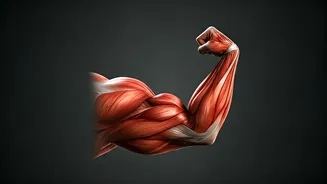
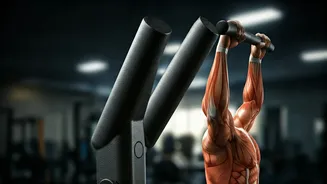
muscles, from the gripping strength in your hands and forearms to the stabilizing force of your core. The primary drivers, however, are the extensive musculature of your back, particularly the V-shaped latissimus dorsi, which anchors the lift, supported by crucial shoulder muscles like the infraspinatus and teres muscles. Even your chest and arm muscles, including the pectoralis major and triceps, contribute significantly to pulling your arms towards your body. Successfully executing a pull-up signifies impressive overall strength and muscular development, making it a highly sought-after fitness milestone that offers unparalleled benefits in building a powerful and defined physique.
The Perfect Pull-Up Form
Achieving a proper pull-up requires meticulous attention to form to maximize effectiveness and prevent injury. Begin by positioning yourself beneath a sturdy pull-up bar, reaching up to grip it with an overhand, pronated grip, ensuring your hands are slightly wider than shoulder-width apart. Your palms should face away from you, and your arms should extend fully overhead in a 'dead hang,' with your feet suspended off the ground. Engage your shoulder muscles by pressing them down and drawing your shoulder blades together, as if trying to pinch something between them. Initiate the pull by drawing your elbows down towards your body, lifting yourself until your chin clears the bar. The descent is equally crucial; lower your body with deliberate control, resisting the urge to drop, to maintain muscle tension and safeguard your joints. Maintaining a stable core and keeping your legs still throughout the movement is vital for isolating upper body strength development.
Bridging the Gap
For those who find full pull-ups elusive, a strategic approach involving assistance and modified movements can pave the way to success. Negative pull-ups are invaluable; by starting with your chin already over the bar (using a stool or spotter for assistance) and slowly lowering yourself in a controlled manner until your arms are straight, you build the eccentric strength essential for the lift. Spotter-assisted pull-ups provide manual support on your back to help you complete the upward phase, ensuring you don't rely on leg momentum. Partial pull-ups, where you perform a fraction of the full range of motion (e.g., half or a third of the movement) with proper form, help train the neural pathways and muscle memory required for the complete exercise. Jumping pull-ups, utilizing upward momentum from a jump to assist in reaching the bar, can also be beneficial, provided a slow, controlled descent is maintained. Consistent practice with these methods, alongside dedicated strength training for supporting muscles like the biceps, builds the foundation for conquering the unassisted pull-up.
Avoiding Pitfalls
While striving for pull-up mastery, it's essential to avoid common mistakes that can hinder progress or lead to injury. A frequent error is the temptation to swing your legs for momentum; this 'kipping' motion, while used in some advanced CrossFit techniques for different training goals, diminishes the upper body strength development that traditional pull-ups target. Keeping your legs as stationary as possible ensures you are truly lifting your body weight with your arms and back. Another critical aspect is managing your neck. Overextending your neck in an effort to get your chin over the bar can cause painful strains, a common issue for those learning. Focus on a controlled lift with your back muscles, keeping your neck in a neutral position. If you experience soreness, consult a doctor and allow for adequate rest to prevent chronic issues. Prioritize proper form and controlled movements over rushing the process, ensuring a safe and effective path to achieving your pull-up goals.