




Meal Timing Matters
Ignoring your body's hunger cues by skipping meals, particularly breakfast, can send your metabolism into a tailspin. When you delay your first meal for
several hours after waking or opt for just tea or coffee, your body perceives this as a scarcity of resources. Consequently, it shifts into an energy-conservation mode, deliberately slowing down the metabolic rate to preserve energy. Nutritionists emphasize the importance of consuming a balanced meal within an hour of waking up to kickstart your metabolism effectively and avoid this survival response. Relying on beverages alone will not provide the necessary fuel for your body's processes, leading to a sluggish system.
Protein Deficit Impact
A meal predominantly composed of carbohydrates, a common scenario in many Indian diets featuring chapati and rice, often falls short on essential protein. Protein plays a critical role in boosting metabolism because it requires more energy to digest compared to fats and carbohydrates, a phenomenon known as the thermic effect of food. Insufficient protein intake means your body expends less energy during digestion, thereby slowing down your metabolic rate. Incorporating diverse protein sources such as lentils (dal), paneer (Indian cottage cheese), curd, tofu, or eggs into each meal is crucial for maintaining a robust metabolism and promoting satiety.
Curbing Cravings
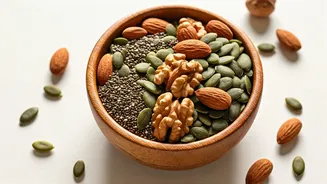
Experiencing frequent cravings for sugary snacks, biscuits, or savoury items can significantly disrupt your body's fat metabolism. The consumption of these highly palatable foods triggers a rapid surge in blood sugar, followed by an equally swift crash. This cycle of highs and lows negatively impacts how your body processes fat. To manage these urges, experts suggest opting for healthier alternatives like a small portion of fruits, a handful of nuts, seeds, or roasted chana (chickpeas) and makhana (fox nuts). These options provide sustained energy and essential nutrients without causing the detrimental blood sugar fluctuations.
Nutrient-Poor Foods
A persistent feeling of fatigue, even when consuming what appears to be an adequate amount of food, can be a sign that your diet is lacking in essential micronutrients. Foods that are calorie-dense but nutrient-poor, such as many common snacks and processed items, fail to provide the building blocks necessary for optimal metabolic function. To combat this, prioritizing foods rich in micronutrients is essential. This includes incorporating a variety of leafy green vegetables, seeds, and seasonal produce into your daily meals, ensuring your body receives the vital nutrients needed to support energy production and metabolic processes.
Digestive Health
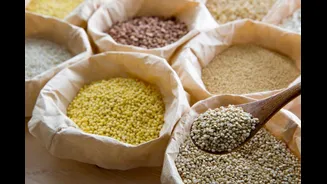
Issues like persistent bloating and constipation can be direct indicators of a diet that is low in fibre and high in refined carbohydrates. Common culprits include processed bakery items, street food like pani puri, and crispy snacks like chips. These foods offer little to no fibre, which is crucial for healthy digestion and gut function. To improve your digestive health and support a healthy metabolism, focus on incorporating whole foods, legumes, pulses, nuts, seeds, and various millets into your diet. Ensuring adequate water intake is also paramount for efficient digestion and nutrient absorption.
Temperature and Energy
Constantly feeling cold or experiencing a general lack of energy can be linked to chronic undereating or an insufficient intake of healthy fats. Healthy fats are vital for numerous bodily functions, including thermogenesis – the process by which the body generates heat. When your intake of these essential fats is inadequate, your body's ability to produce heat diminishes, leading to a feeling of coldness and reduced overall energy. Incorporating healthy fat sources such as nuts, seeds, avocado, olive oil, and ghee is recommended to support metabolic heat production and boost vitality.
Weight Loss Plateaus
Even with seemingly healthy home-cooked meals ('Ghar ka Khana'), a persistent weight loss plateau can signal a metabolically imbalanced diet. This can occur due to a high carbohydrate content without adequate protein, a lack of portion control, or insufficient physical activity levels. Achieving a balanced plate that includes lean protein, complex carbohydrates, and healthy fats is key. Complementing dietary changes with regular strength training exercises is also crucial, as muscle mass is metabolically active tissue that helps burn more calories even at rest. Small, consistent dietary adjustments and increased activity can significantly enhance your metabolic rate.