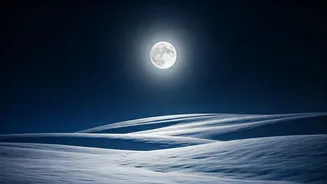




What Is the Snow Moon?
The February full moon is commonly known as the Snow Moon. This name is associated with the heavy snowfall typical of February in many regions. As it rises,
it provides a stunning spectacle in the winter sky, offering skywatchers a captivating sight. The timing of the Snow Moon is closely watched by stargazers who are eager to witness its brilliance. The full moon presents an opportunity to appreciate the beauty of our universe and the cyclical nature of celestial events. The Snow Moon's appearance is a reminder of the natural wonders that exist above us, inviting us to pause and marvel at the beauty of the cosmos. It is a moment of wonder and a chance to connect with the timeless rhythm of the moon's phases.
Timing and Visibility
The timing of the February full moon, or Snow Moon, is of great interest to observers. Information on the exact date and time of the full moon's peak visibility is available through astronomical resources. Knowing the specific timings enables viewers to plan their skywatching sessions. It is crucial for anyone keen on catching the moment the Snow Moon graces the sky. Details on when the moon rises and sets will assist in getting the best possible views. Depending on where you are, the full moon can be viewed from a range of places. Knowing the direction the moon will appear will help in setting up an optimal viewing spot, free from obstructions. The Snow Moon is typically visible throughout the night, offering ample opportunity for stargazers to witness this spectacular sight.
Where to Observe It
The Snow Moon can be observed from numerous locations. It's often best to find a place away from the city's bright lights. This enhances the visibility of the moon and other celestial objects. Finding an unobstructed view of the horizon is also recommended. It offers a clear view of the moon as it rises and sets. Parks, open fields, and elevated areas are usually good options for viewing. Knowing the direction of the moon's expected path through the sky can further aid in choosing a viewing location. Consider the local weather conditions on the day of the Snow Moon to ensure clear skies for the best possible viewing experience. Additionally, many astronomy clubs and organizations may organize viewing events. These events can give a social element to observing the full moon.
Special Viewing Tips
Enhance your Snow Moon viewing experience with a few tips. It’s advisable to give your eyes time to adjust to the darkness. This enhances the visibility of the moon's details. Using binoculars or a telescope can offer an improved view of the lunar surface. It reveals craters and other features. Check the local weather forecast before you head out. Clear skies are vital for seeing the full moon. Dress warmly, especially in winter. Plan to stay out for an extended period. Consider downloading a stargazing app. These apps help you identify the moon and other celestial objects in the sky. Make it a shared experience, and bring friends or family. This builds a shared appreciation for the wonders of the night sky.
Cultural Significance
The full moon, including the Snow Moon, holds significance across various cultures. Throughout history, full moons have been observed and incorporated into folklore, rituals, and traditions. Different cultures often assign unique names to the full moons, reflecting the characteristics of the month. The Snow Moon, for example, gets its name from the heavy snowfall. These names connect us to the natural world and the cycles of the year. The full moon often symbolizes themes like completion and illumination. It can also mark important times in the agricultural calendar. By acknowledging the cultural significance, we understand the moon's place in our shared human story. It allows us to view this celestial event from a richer, more meaningful viewpoint.